THE ADVENTURE COLLECTIVE® · Independent discovery and booking for outdoor travel

Board a three-hour wildlife cruise from Port Townsend to hunt for orcas, humpbacks, and coastal seabirds across the Salish Sea. Learn from naturalists while taking in Olympic Mountain views and practical guidance for comfortable, responsible wildlife viewing.
Board a three-hour wildlife cruise from Port Townsend to hunt for orcas, humpbacks, and coastal seabirds across the Salish Sea. Learn from naturalists while taking in Olympic Mountain views and practical guidance for comfortable, responsible wildlife viewing.
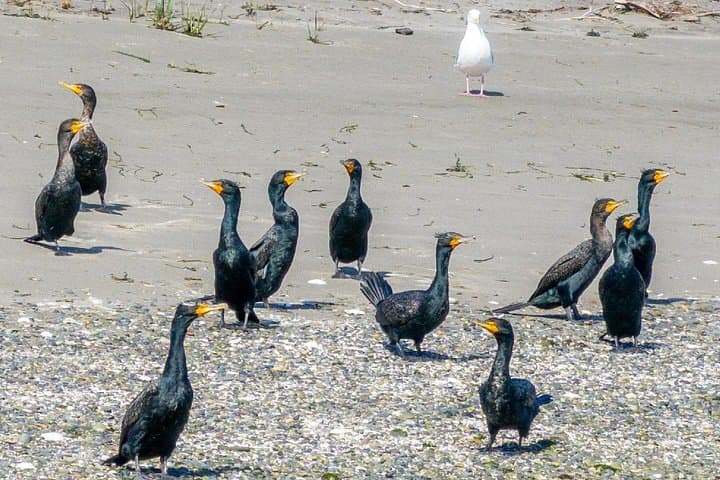
Morning light sharpens the Olympic Mountains as the boat slips from Port Townsend’s dock and the Salish Sea opens ahead—cold air on your face, gulls arguing overhead, and the rhythm of wake beneath. For three hours you ride a productive corridor for cetaceans and seabirds, scanning for dorsal fins and the spray of a humpback’s exhale.
Verified experiences and guided adventures in the surrounding area.
Operated by Olympic Tours · Port Townsend, Washington
Morning light sharpens the Olympic Mountains as the boat slips from Port Townsend’s dock and the Salish Sea opens ahead—cold air on your face, gulls arguing overhead, and the rhythm of wake beneath. For three hours you ride a productive corridor for cetaceans and seabirds, scanning for dorsal fins and the spray of a humpback’s exhale.
This stretch of water has long been a crossroads: Indigenous peoples navigated these channels for millennia, and Port Townsend grew in the 19th century as a maritime hub and later a naval defense point (Fort Worden). Geologically, you’re floating on a complex tide-swept inlet rimmed by glacially scoured mountains and forested shorelines. Cultural layers—Coast Salish connections, Victorian-era townscapes, and contemporary conservation work—frame what you’ll see and hear from the deck.
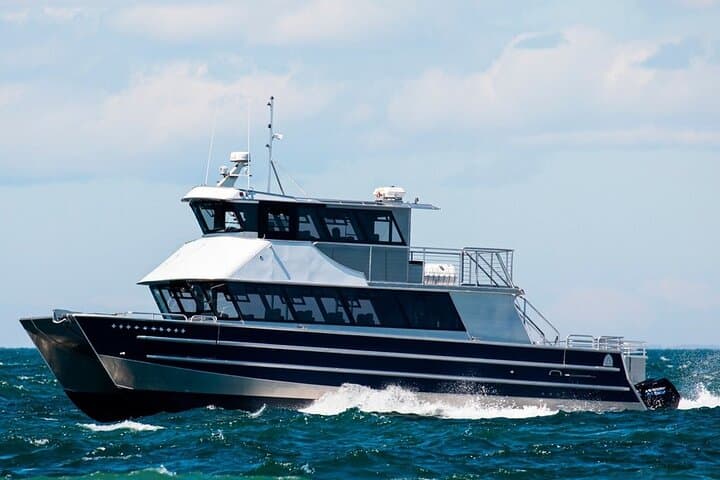
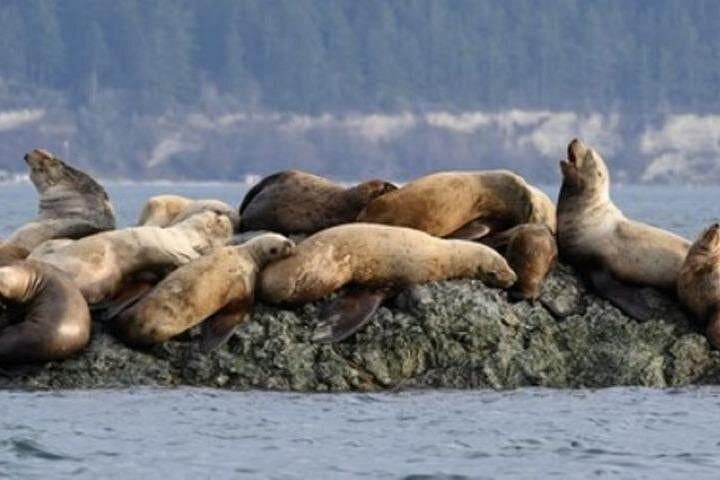
Expect guides who interpret whale behavior, migration timing, and local ecology while pointing out sea lion haul-outs, porpoises, and island shorelines. Cruises typically cover 10–15 nautical miles, weather permitting; visibility and sightings vary by season. Practicalities: check in 30 minutes before departure, restrooms are onboard, and the vessel has an enclosed cabin with heating for colder days.
Bring binoculars, a windproof outer layer, and a camera with a steady grip. Morning and late-afternoon departures often yield calmer seas and stronger light for photography. Above all, keep a respectful distance—guides follow viewing guidelines to minimize disturbance. This outing mixes easy physical demands with high-payoff wildlife viewing: it’s an accessible, sensory way to experience the wild edge of the Olympic Peninsula.
easy.
3 hours.
Suitable for most fitness levels; must be able to step aboard a small passenger vessel and stand or sit for the duration.
No—wildlife is unpredictable. Guides maximize chances by choosing productive areas, but sightings are not guaranteed.
Late spring through early fall sees frequent humpback and orca activity, though migratory gray whales can be seen in spring and fall.
Yes, the vessel is equipped with onboard bathrooms and an enclosed heated cabin for cold weather.
Yes; the tour is rated physically easy, but consider seasickness and motion sensitivity for very young or elderly passengers.
Port Townsend developed in the late 19th century as a deep-water Victorian seaport and later hosted Fort Worden as part of coastal defenses; Indigenous Coast Salish communities have long maritime ties here.
Operators follow federal and regional marine wildlife viewing guidelines to reduce disturbance; reducing noise and keeping respectful distances helps protect feeding and nursing whales.
Olympic Tours operates guided outdoor trips and adventures with an emphasis on safety, stewardship, and memorable experiences.
Morning light sharpens the Olympic Mountains as the boat slips from Port Townsend’s dock and the Salish Sea opens ahead—cold air on your face, gulls arguing overhead, and the rhythm of wake beneath. For three hours you ride a productive corridor for cetaceans and seabirds, scanning for dorsal fins and the spray of a humpback’s exhale.
Morning light sharpens the Olympic Mountains as the boat slips from Port Townsend’s dock and the Salish Sea opens ahead—cold air on your face, gulls arguing overhead, and the rhythm of wake beneath. For three hours you ride a productive corridor for cetaceans and seabirds, scanning for dorsal fins and the spray of a humpback’s exhale.
This stretch of water has long been a crossroads: Indigenous peoples navigated these channels for millennia, and Port Townsend grew in the 19th century as a maritime hub and later a naval defense point (Fort Worden). Geologically, you’re floating on a complex tide-swept inlet rimmed by glacially scoured mountains and forested shorelines. Cultural layers—Coast Salish connections, Victorian-era townscapes, and contemporary conservation work—frame what you’ll see and hear from the deck.
Expect guides who interpret whale behavior, migration timing, and local ecology while pointing out sea lion haul-outs, porpoises, and island shorelines. Cruises typically cover 10–15 nautical miles, weather permitting; visibility and sightings vary by season. Practicalities: check in 30 minutes before departure, restrooms are onboard, and the vessel has an enclosed cabin with heating for colder days.
Bring binoculars, a windproof outer layer, and a camera with a steady grip. Morning and late-afternoon departures often yield calmer seas and stronger light for photography. Above all, keep a respectful distance—guides follow viewing guidelines to minimize disturbance. This outing mixes easy physical demands with high-payoff wildlife viewing: it’s an accessible, sensory way to experience the wild edge of the Olympic Peninsula.