THE ADVENTURE COLLECTIVE® · Independent discovery and booking for outdoor travel

Depart from Steveston Village for a 3–5 hour marine escape across the Strait of Georgia in search of orcas, humpbacks, and porpoises. Learn what to expect, when to go, and practical tips to make the most of your whale-watching trip.
Depart from Steveston Village for a 3–5 hour marine escape across the Strait of Georgia in search of orcas, humpbacks, and porpoises. Learn what to expect, when to go, and practical tips to make the most of your whale-watching trip.
A brisk Pacific wind meets the bow as the boat slips out of Steveston Village, Richmond, and the salt-scented Strait of Georgia unfurls ahead.
Verified experiences and guided adventures in the surrounding area.
Operated by Steveston Seabreeze Adventures LTD · Richmond, British Columbia
A brisk Pacific wind meets the bow as the boat slips out of Steveston Village, Richmond, and the salt-scented Strait of Georgia unfurls ahead.
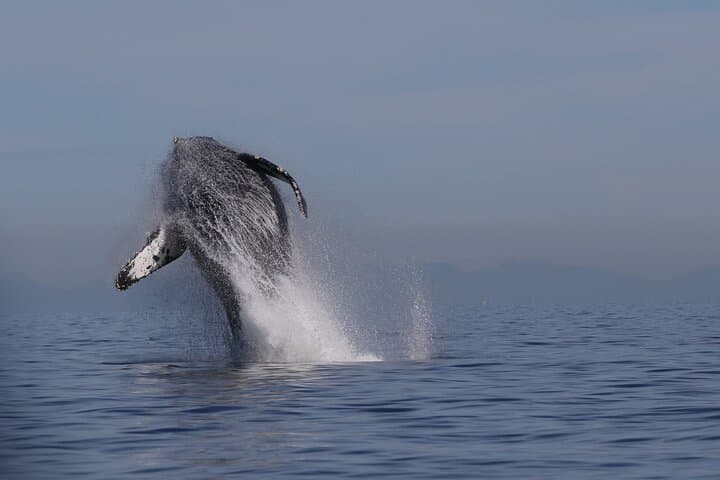
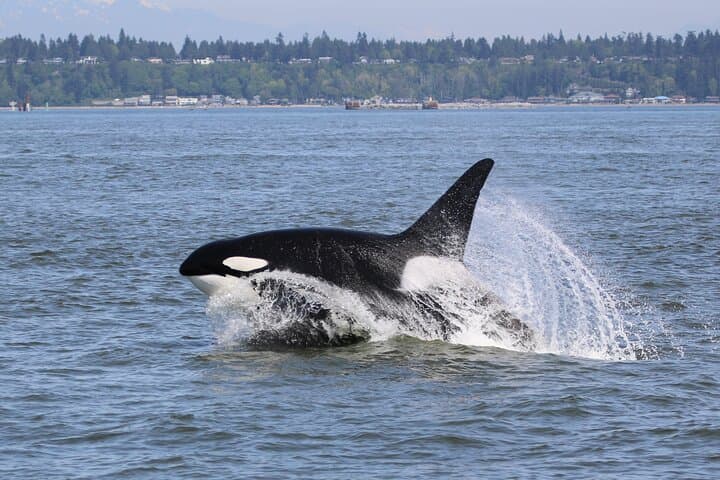
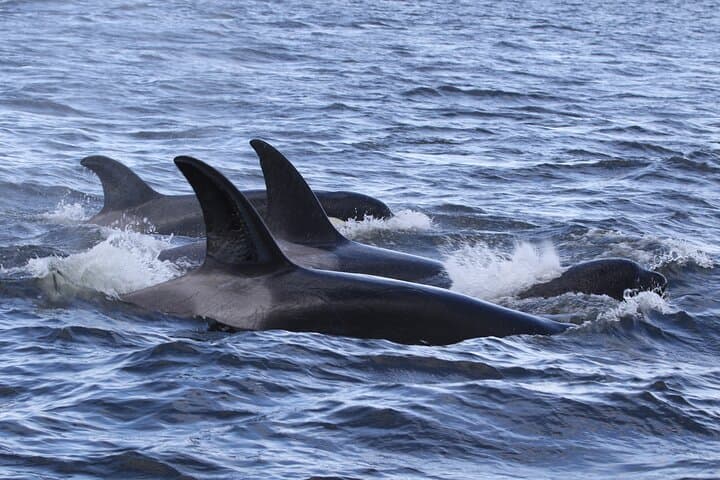
Sea spray dots the rail while gulls wheel overhead and the captain tunes sonar for a telltale blow. The Gulf Islands rise like low hills on the horizon; the ocean here pushes and rests in rhythms that dare you to watch closely. From a semi-enclosed cabin or an open-air deck you scan for the triangular dorsal of a killer whale or the slow arch of a humpback’s back.
This corridor has long been a navigation route for Indigenous communities and later for commercial fishers; its shallow channels and glacially scoured seabeds create rich feeding grounds for marine mammals and seabirds. Cultural ties to the water remain visible in local fishing sheds and the maritime museum in Steveston Village.
Trips run April–October and typically last 3–5 hours, crossing the Strait of Georgia and threading near the Gulf Islands. Expect variable sea states, brief observational stops, and narration from naturalist guides about behavior and identification. Bottled water and a granola bar are commonly included; vessels range from semi-enclosed to fully open decks, so exposure and wind matter.
Plan on layered clothing, binoculars, and a hat. Arrive early for parking and check-in; bring motion-sickness prevention if you’re sensitive. Wildlife sightings aren’t guaranteed, but when whales surface the moment stretches and the boat hums with a shared hush—an elemental reminder that you’re passing through wild, shifting territory.
easy.
3–5 hours.
Suitable for most fitness levels; requires standing and occasional short walks on uneven docks
Trips are typically 3–5 hours, including transit time from Steveston and on-water searching.
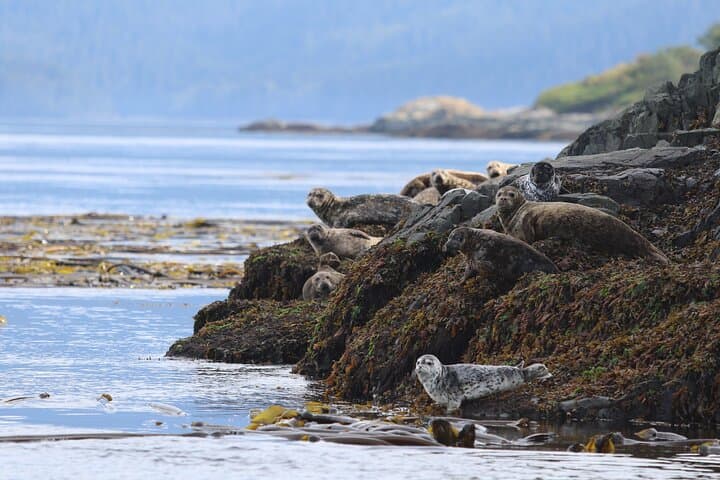
Common targets include killer whales (orcas), humpback whales, seals, sea lions, porpoises, and numerous seabirds, though sightings vary daily.
Yes—tours are rated easy and accommodate most ages, but check accessibility for those with limited mobility and consult the operator about seating options.
Daily departures run April through October; spring and summer often offer calmer seas and higher marine activity, but each season has potential highlights.
Steveston developed as a major salmon-fishing and cannery town in the late 19th and early 20th centuries; fishing heritage remains visible in its docks and museums.
Operators follow marine wildlife viewing guidelines to minimize disturbance; keep noise and sudden maneuvers low and respect posted closures to protect feeding and nursing animals.
Steveston Seabreeze Adventures LTD operates guided outdoor trips and adventures with an emphasis on safety, stewardship, and memorable experiences.
A brisk Pacific wind meets the bow as the boat slips out of Steveston Village, Richmond, and the salt-scented Strait of Georgia unfurls ahead.
A brisk Pacific wind meets the bow as the boat slips out of Steveston Village, Richmond, and the salt-scented Strait of Georgia unfurls ahead.
Sea spray dots the rail while gulls wheel overhead and the captain tunes sonar for a telltale blow. The Gulf Islands rise like low hills on the horizon; the ocean here pushes and rests in rhythms that dare you to watch closely. From a semi-enclosed cabin or an open-air deck you scan for the triangular dorsal of a killer whale or the slow arch of a humpback’s back.
This corridor has long been a navigation route for Indigenous communities and later for commercial fishers; its shallow channels and glacially scoured seabeds create rich feeding grounds for marine mammals and seabirds. Cultural ties to the water remain visible in local fishing sheds and the maritime museum in Steveston Village.
Trips run April–October and typically last 3–5 hours, crossing the Strait of Georgia and threading near the Gulf Islands. Expect variable sea states, brief observational stops, and narration from naturalist guides about behavior and identification. Bottled water and a granola bar are commonly included; vessels range from semi-enclosed to fully open decks, so exposure and wind matter.
Plan on layered clothing, binoculars, and a hat. Arrive early for parking and check-in; bring motion-sickness prevention if you’re sensitive. Wildlife sightings aren’t guaranteed, but when whales surface the moment stretches and the boat hums with a shared hush—an elemental reminder that you’re passing through wild, shifting territory.