THE ADVENTURE COLLECTIVE® · Independent discovery and booking for outdoor travel

Escape Cairo for a full-day loop through Fayoum’s dramatic landscapes: salt lakes, cascading depressions, sand dunes and the fossil-rich Wadi Al-Hitan. This private tour combines short walks with 4x4 sections and cultural glimpses into oasis life.
Escape Cairo for a full-day loop through Fayoum’s dramatic landscapes: salt lakes, cascading depressions, sand dunes and the fossil-rich Wadi Al-Hitan. This private tour combines short walks with 4x4 sections and cultural glimpses into oasis life.
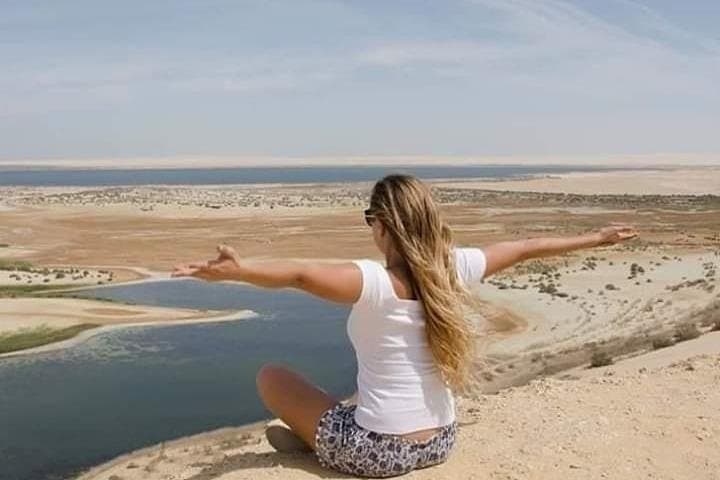
The sun climbs on the Cairo horizon and, within an hour, the city’s noise thins to the breath of desert wind. You arrive into Fayoum’s wide basin where salt flats and green irrigation lines meet rolling sand—first stop, a hilltop view over Tunis village and Lake Qarun, where fishermen and flamingos share shallow, reflective water.
Verified experiences and guided adventures in the surrounding area.
Operated by Travelino Egypt · Faiyum, Faiyum Governorate
The sun climbs on the Cairo horizon and, within an hour, the city’s noise thins to the breath of desert wind. You arrive into Fayoum’s wide basin where salt flats and green irrigation lines meet rolling sand—first stop, a hilltop view over Tunis village and Lake Qarun, where fishermen and flamingos share shallow, reflective water.
This circuit threads together distinct chapters of Egypt’s natural history: Qarun Lake, one of the country’s oldest basins; Wadi El Rayan, where cascades pour into reclaimed depressions; and Wadi Al-Hitan (Whale Valley), a paleontological archive of Eocene whales that documents the transition from sea to land some 40 million years ago.
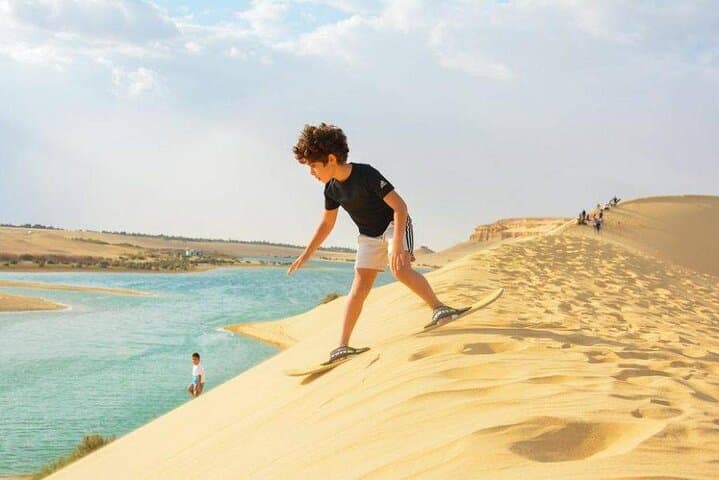
Geology here is tactile—limestone shelves, wind-sculpted dunes and fossil-rich shale—while local culture centers on small oasis settlements and traditional farmers who still irrigate by canals drawn from the Nile. Expect a mix of short walks, dune climbs and vehicle transfers in a 4x4 when the route calls for sand.
Practical guidance: start early to avoid midday heat, carry sun protection and at least 1–2 liters of water, and wear closed-toe shoes with good traction for dunes and rocky shoreline. Photography rewards patience—soft light at the waterfalls and fossil beds reveals textures unseen at noon. Respect protected areas in Wadi Al-Hitan: fossils are non-removable and paths are fragile. The day returns you to Cairo by evening, full of salt air, sand under your boots and the quiet surprise of ancient seas beneath your feet.
easy.
10 hours (full day).
Minimal fitness required; able to do short walks, climb sand dunes and board a 4x4 for off-road sections.
Yes — the tour includes private A/C transfers and hotel pickup/drop-off in Cairo or Giza as listed.
According to the tour details, entry fees and a local restaurant lunch are included in the private tour price.
Wadi Al-Hitan is a UNESCO World Heritage site with visitor access on marked routes; collecting fossils is prohibited and guided access helps protect sensitive areas.
Sandboarding is listed as an activity on the dunes; equipment availability depends on the operator, so confirm at booking if you need gear provided.
Wadi Al-Hitan preserves Eocene-era whale fossils that track the evolution of early whales from land to sea roughly 35–40 million years ago.
Wadi Al-Hitan is a protected UNESCO site; visitors should stay on designated paths, avoid touching fossils and follow guide instructions to minimize impact.
Travelino Egypt operates guided outdoor trips and adventures with an emphasis on safety, stewardship, and memorable experiences.
The sun climbs on the Cairo horizon and, within an hour, the city’s noise thins to the breath of desert wind. You arrive into Fayoum’s wide basin where salt flats and green irrigation lines meet rolling sand—first stop, a hilltop view over Tunis village and Lake Qarun, where fishermen and flamingos share shallow, reflective water.
The sun climbs on the Cairo horizon and, within an hour, the city’s noise thins to the breath of desert wind. You arrive into Fayoum’s wide basin where salt flats and green irrigation lines meet rolling sand—first stop, a hilltop view over Tunis village and Lake Qarun, where fishermen and flamingos share shallow, reflective water.
This circuit threads together distinct chapters of Egypt’s natural history: Qarun Lake, one of the country’s oldest basins; Wadi El Rayan, where cascades pour into reclaimed depressions; and Wadi Al-Hitan (Whale Valley), a paleontological archive of Eocene whales that documents the transition from sea to land some 40 million years ago.
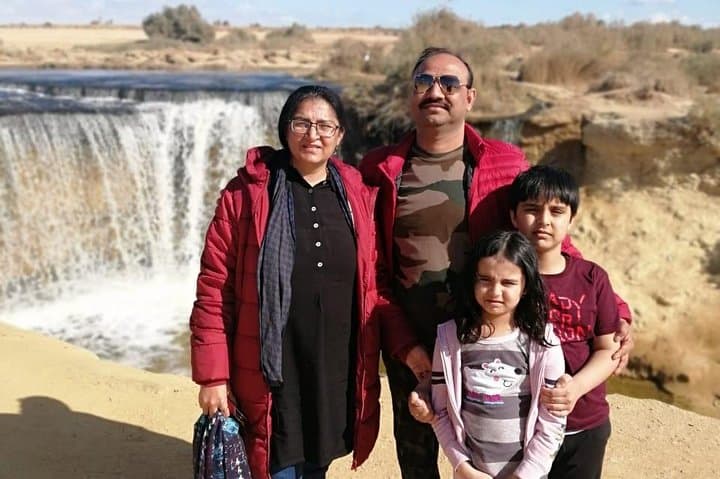
Geology here is tactile—limestone shelves, wind-sculpted dunes and fossil-rich shale—while local culture centers on small oasis settlements and traditional farmers who still irrigate by canals drawn from the Nile. Expect a mix of short walks, dune climbs and vehicle transfers in a 4x4 when the route calls for sand.
Practical guidance: start early to avoid midday heat, carry sun protection and at least 1–2 liters of water, and wear closed-toe shoes with good traction for dunes and rocky shoreline. Photography rewards patience—soft light at the waterfalls and fossil beds reveals textures unseen at noon. Respect protected areas in Wadi Al-Hitan: fossils are non-removable and paths are fragile. The day returns you to Cairo by evening, full of salt air, sand under your boots and the quiet surprise of ancient seas beneath your feet.