THE ADVENTURE COLLECTIVE® · Independent discovery and booking for outdoor travel

Spend a day off Cebu to watch whale sharks in Oslob with a small-group boat trip. This practical guide describes what to expect, local context, and hands-on tips for a respectful, safe encounter.
Spend a day off Cebu to watch whale sharks in Oslob with a small-group boat trip. This practical guide describes what to expect, local context, and hands-on tips for a respectful, safe encounter.
The morning light on Tan-awan Bay cuts silver across a crowd of small boats as guides prepare for the first run out to sea. You step from a narrow wooden dock, the reef-slashed shoreline behind you and the open blue ahead; minutes later a shadow the size of a bus glides beneath the surface, steady as a calm breath.
Verified experiences and guided adventures in the surrounding area.
The morning light on Tan-awan Bay cuts silver across a crowd of small boats as guides prepare for the first run out to sea. You step from a narrow wooden dock, the reef-slashed shoreline behind you and the open blue ahead; minutes later a shadow the size of a bus glides beneath the surface, steady as a calm breath.
Oslob’s whale shark encounters sit at the meeting of local livelihood and marine history: these waters have long attracted plankton and fish, and in recent years a small tourism industry grew around year-round sightings. Geologically the coast is a mix of low volcanic terraces and coral outcrops; currents funnel plankton along the shore, drawing the gentle giants close to boats. Local culture is shaped by fishing and hospitality—families in Tan-awan work as guides, boat operators, and homestay hosts.
Practically, expect a full-day rhythm: early pickup from Cebu, a boat ride of minutes, regulated surface swims beside the sharks, and time to explore the shoreline village. Encounters are mostly surface-level snorkeling rather than deep dives; life vests are typically provided. Be prepared for bright sun, salt spray, and quick launches from small skiffs.
Timing matters—arrive early to avoid crowds and heat. Use reef-safe sunscreen, wear a snug mask and reef shoes, and keep movements slow in the water: whale sharks react to noise and sudden splashes. Respect guide briefings and local rules about distance and touching. With basic snorkeling skills and a sensible pack—hydration, sun protection, and a waterproof camera—you can watch the world’s largest fish move through the water with surprising gentleness, a practical, unforgettable marine encounter.
easy.
10 hours (including transfer time).
Basic fitness and comfort in chest-deep water; ability to snorkel for short periods is sufficient.
Encounters are typically short—multiple 20–30 minute swims distributed through the morning—because of rotation rules and to reduce stress on the animals.
No—life vests are standard and most activity is surface snorkeling; basic comfort in the water is sufficient.
No—local regulations and guides prohibit touching or feeding; interactions should be passive and observe distance rules.
Most tours include round-trip transfers from Cebu City; direct public buses and private vans also run to Oslob (2.5–4 hours depending on traffic).
Oslob has long been a fishing community; the tourism focus on whale sharks expanded in the 2010s when regular sightings were reported near the shore.
Interactions are controversial; choose operators who follow local regulations, avoid feeding-dependent practices where possible, and use reef-safe products to reduce impact.
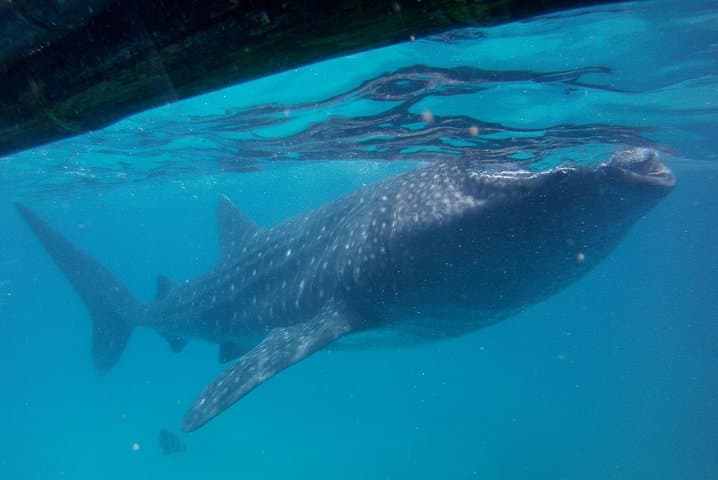
The morning light on Tan-awan Bay cuts silver across a crowd of small boats as guides prepare for the first run out to sea. You step from a narrow wooden dock, the reef-slashed shoreline behind you and the open blue ahead; minutes later a shadow the size of a bus glides beneath the surface, steady as a calm breath.
The morning light on Tan-awan Bay cuts silver across a crowd of small boats as guides prepare for the first run out to sea. You step from a narrow wooden dock, the reef-slashed shoreline behind you and the open blue ahead; minutes later a shadow the size of a bus glides beneath the surface, steady as a calm breath.
Oslob’s whale shark encounters sit at the meeting of local livelihood and marine history: these waters have long attracted plankton and fish, and in recent years a small tourism industry grew around year-round sightings. Geologically the coast is a mix of low volcanic terraces and coral outcrops; currents funnel plankton along the shore, drawing the gentle giants close to boats. Local culture is shaped by fishing and hospitality—families in Tan-awan work as guides, boat operators, and homestay hosts.
Practically, expect a full-day rhythm: early pickup from Cebu, a boat ride of minutes, regulated surface swims beside the sharks, and time to explore the shoreline village. Encounters are mostly surface-level snorkeling rather than deep dives; life vests are typically provided. Be prepared for bright sun, salt spray, and quick launches from small skiffs.
Timing matters—arrive early to avoid crowds and heat. Use reef-safe sunscreen, wear a snug mask and reef shoes, and keep movements slow in the water: whale sharks react to noise and sudden splashes. Respect guide briefings and local rules about distance and touching. With basic snorkeling skills and a sensible pack—hydration, sun protection, and a waterproof camera—you can watch the world’s largest fish move through the water with surprising gentleness, a practical, unforgettable marine encounter.