THE ADVENTURE COLLECTIVE® · Independent discovery and booking for outdoor travel

Board a small boat from Cancun for a 6‑hour encounter with whale sharks followed by a reef snorkel and fresh shrimp ceviche. Small groups, snorkel gear, and hotel transfers streamline the logistics so you can focus on the water.
Board a small boat from Cancun for a 6‑hour encounter with whale sharks followed by a reef snorkel and fresh shrimp ceviche. Small groups, snorkel gear, and hotel transfers streamline the logistics so you can focus on the water.
The boat slips away from Cancun’s marina as the sun lifts off the Caribbean, the skyline shrinking while salt and wind push you toward open water.
Verified experiences and guided adventures in the surrounding area.
Operated by Holtours SA de CV · Cancun, Quintana Roo
The boat slips away from Cancun’s marina as the sun lifts off the Caribbean, the skyline shrinking while salt and wind push you toward open water.
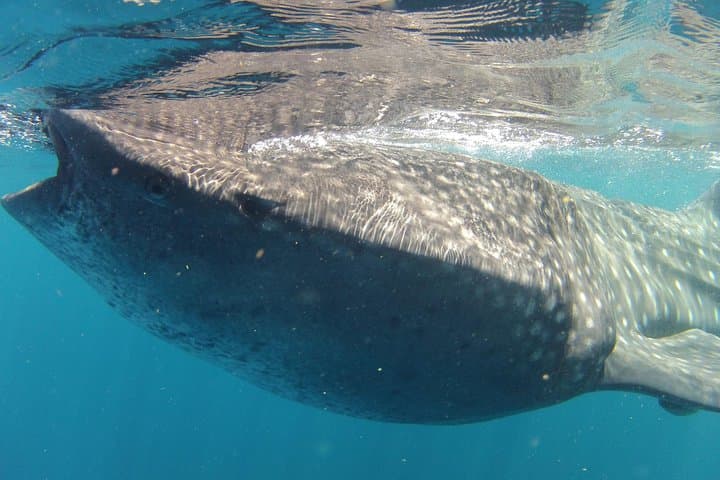
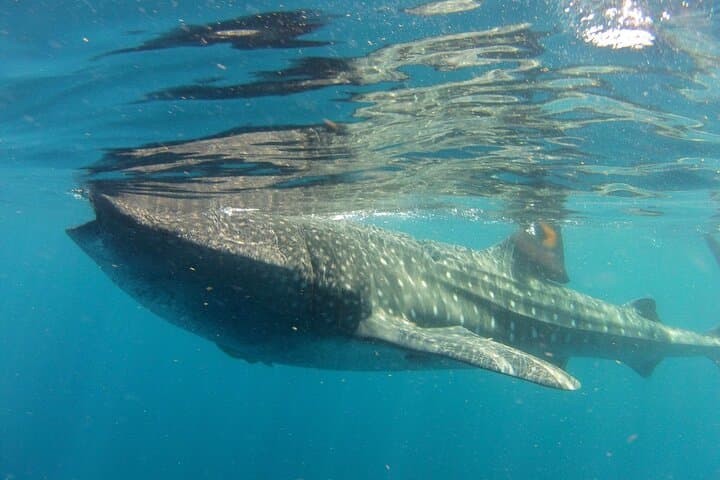
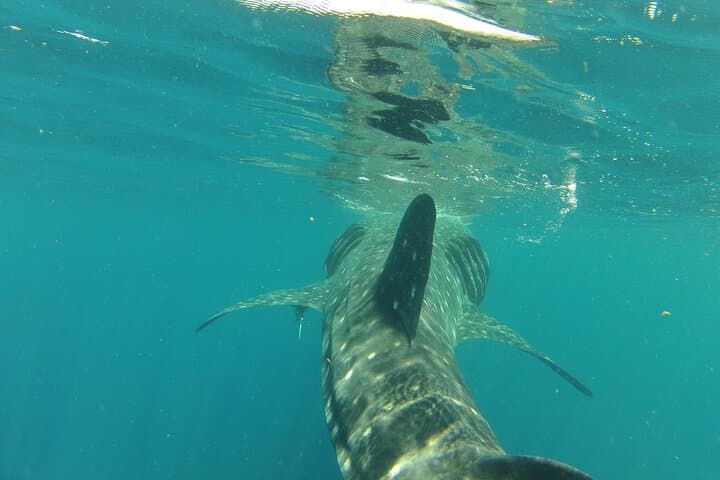
Within an hour and a half you trade the hotel's hum for the wide blue where whale sharks cruise the surface, mouths open to harvest plankton. The Yucatán’s shallow continental shelf and upwelling currents create seasonal plankton blooms that draw these gentle giants; local fishers have known these patterns for generations and now guide responsible encounters.
Geology here is clear: a limestone platform drops into deep water a few dozen kilometers offshore, scattering coral ledges that host reef fish and green sea turtles. Culturally, the day ties modern ecotourism to coastal foodways — expect freshly made shrimp ceviche and sandwiches on board, a simple local closing to an oceanic encounter.
Practical guidance: the full experience runs about six hours including hotel transfer, with a 1.5–2 hour boat ride each way to the feeding zone. Small groups (max 10) make for better spacing in the water; snorkel gear and bottled water are provided. Water temps usually sit 26–29°C from late spring through summer; visibility varies with plankton concentrations.
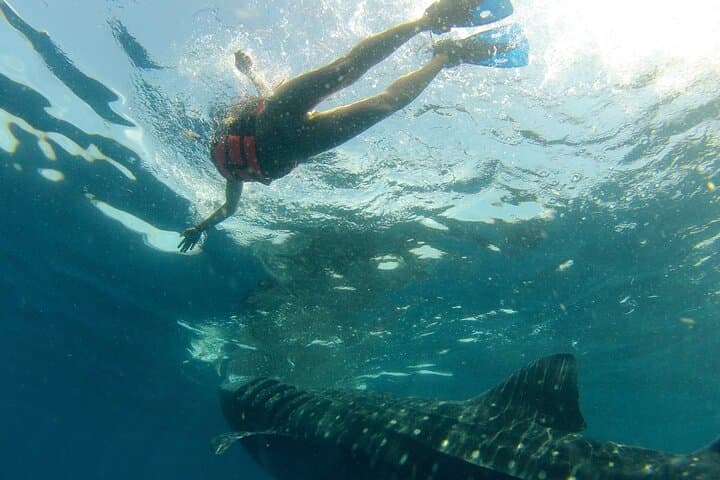
Respect distance rules: guides enforce no-touch policies and approach angles to avoid stressing animals. Bring reef-safe sunscreen, a towel, a light cover-up for the ride, and seasickness medication if you’re prone to motion sickness. Stay hydrated, follow your guide’s briefings, and let the whale sharks set the pace — they’ll decide how close you get.
moderate.
5–6 hours.
Should be in good health and comfortable swimming in open water; moderate stamina for repeated snorkel sessions.
No. Sightings are high in season (roughly May–September) but cannot be guaranteed; operators run the tour only when conditions and recent sightings justify it.
Expect a 1.5–2 hour boat ride to the feeding area — typically 30–50 km offshore depending on where whale sharks are concentrated that day.
Children must be accompanied by an adult; the activity and boat ride are not recommended for pregnant travelers or those with serious cardiovascular issues.
Snorkel gear, water, sandwiches, and shrimp ceviche are provided; bring reef‑safe sunscreen, a towel, ID, cash for tips, and any seasickness meds you require.
Local coastal communities have long tracked seasonal marine life tied to plankton blooms; modern whale shark tourism here grew in the 1990s with stricter regulations to protect the animals.
Operators adhere to no‑touch rules and limited group sizes; use reef‑safe products and follow guide instructions to minimize impact on animals and coral.
Holtours SA de CV operates guided outdoor trips and adventures with an emphasis on safety, stewardship, and memorable experiences.
The boat slips away from Cancun’s marina as the sun lifts off the Caribbean, the skyline shrinking while salt and wind push you toward open water.
The boat slips away from Cancun’s marina as the sun lifts off the Caribbean, the skyline shrinking while salt and wind push you toward open water.
Within an hour and a half you trade the hotel's hum for the wide blue where whale sharks cruise the surface, mouths open to harvest plankton. The Yucatán’s shallow continental shelf and upwelling currents create seasonal plankton blooms that draw these gentle giants; local fishers have known these patterns for generations and now guide responsible encounters.
Geology here is clear: a limestone platform drops into deep water a few dozen kilometers offshore, scattering coral ledges that host reef fish and green sea turtles. Culturally, the day ties modern ecotourism to coastal foodways — expect freshly made shrimp ceviche and sandwiches on board, a simple local closing to an oceanic encounter.
Practical guidance: the full experience runs about six hours including hotel transfer, with a 1.5–2 hour boat ride each way to the feeding zone. Small groups (max 10) make for better spacing in the water; snorkel gear and bottled water are provided. Water temps usually sit 26–29°C from late spring through summer; visibility varies with plankton concentrations.
Respect distance rules: guides enforce no-touch policies and approach angles to avoid stressing animals. Bring reef-safe sunscreen, a towel, a light cover-up for the ride, and seasickness medication if you’re prone to motion sickness. Stay hydrated, follow your guide’s briefings, and let the whale sharks set the pace — they’ll decide how close you get.