THE ADVENTURE COLLECTIVE® · Independent discovery and booking for outdoor travel

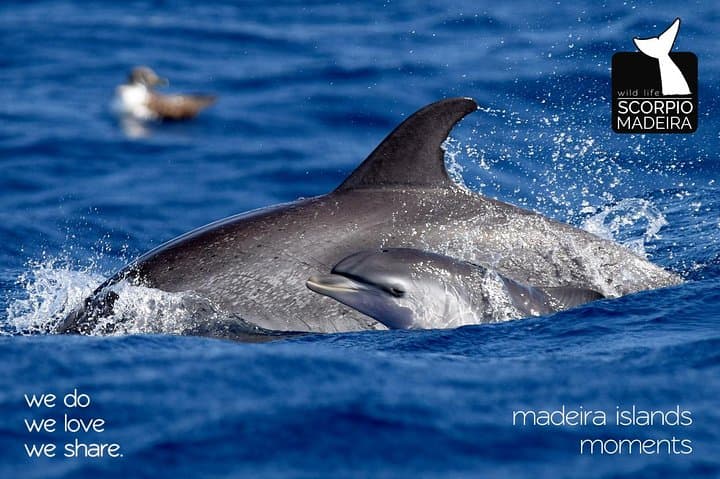
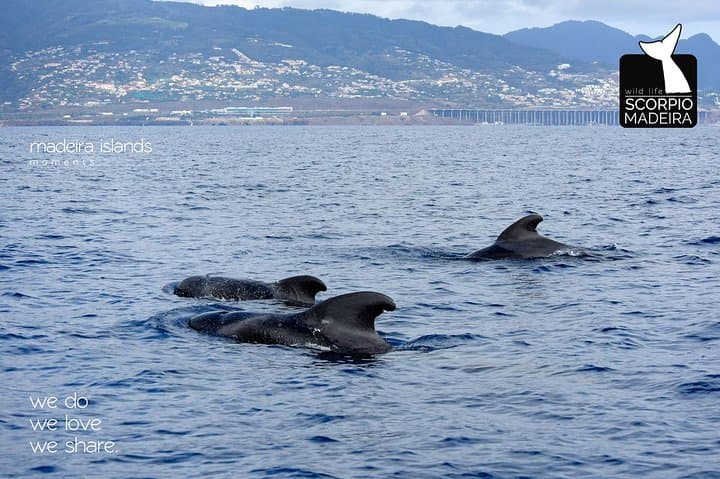
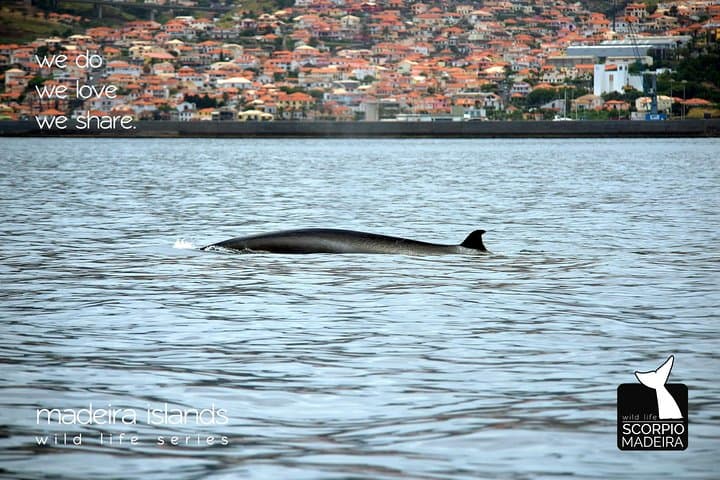
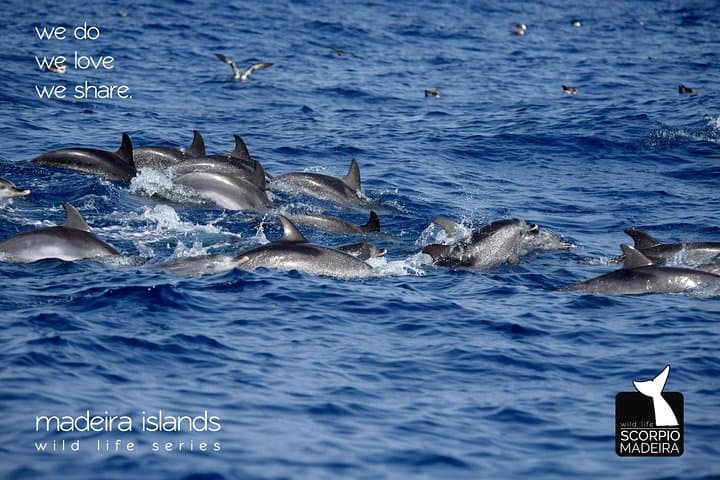
Set out from Machico for a 2–2.5 hour boat trip along Madeira’s rugged eastern coast to search for common and spotted dolphins and seasonal whales. A marine biologist guides sightings and swimming with dolphins is possible under strict conditions.
Set out from Machico for a 2–2.5 hour boat trip along Madeira’s rugged eastern coast to search for common and spotted dolphins and seasonal whales. A marine biologist guides sightings and swimming with dolphins is possible under strict conditions.
You push off Machico’s harbor and the island’s eastern cliffs shrink into a raw, basalt frame—sea wind tugging at jackets, the bow slicing a deep blue that seems to dare you forward.
Verified experiences and guided adventures in the surrounding area.
Operated by Scorpio Madeira Wild Life · Machico, Madeira
You push off Machico’s harbor and the island’s eastern cliffs shrink into a raw, basalt frame—sea wind tugging at jackets, the bow slicing a deep blue that seems to dare you forward.
The captain’s eyes and the onboard marine biologist map currents and dolphin calls, triangulating on where the ocean concentrates life against Madeira’s steep coastal drop-offs. This stretch of coastline, formed by volcanic flows and marine erosion, funnels nutrients up from deep water; it’s why dolphins and larger cetaceans pass close to shore here.
Madeira’s human story is close by: Machico is famously where early Portuguese ships first landed in the 15th century, and the island’s fishing culture still informs local attitudes toward the sea. Guides emphasize observation over interference—approach quietly, minimize engine noise, and never pursue animals.
Practically, expect a 2–2.5 hour outing aboard a rigid-hulled craft with a spotter on land. Sightings commonly include common and spotted dolphins; larger whales visit seasonally. Swimming with dolphins is possible only under calm sea conditions and with strict rules to avoid stressing the animals. Life vests and raincoats are provided, but pack a warm layer and waterproofs.
Plan for variable weather—sun can flip to squall along the cliffs—and bring motion-sickness medication if you’re prone. Cameras with fast shutters will capture more keepers than smartphones from a pitching deck. If the day produces no sightings, reputable operators usually offer a free reschedule.
This is a tour for people who want close, ethical encounters with pelagic wildlife while learning the natural history of an island shaped by fire and ocean.
easy.
2–2.5 hours.
Suitable for most fitness levels; basic mobility to board and move on a small boat is needed
Swimming is sometimes permitted with common or spotted dolphins but only in calm seas and when the animals initiate contact; the guide will brief on rules and safety.
Reputable operators typically offer a free rebooking if conditions prevented sightings or if the trip returned without encounters—confirm the policy at booking.
Yes; life vests and a professional raincoat are included, and a marine biologist is on board to guide interpretation and safety.
Infants must sit on an adult’s lap; the trip is generally family-friendly, but not recommended for travelers with spinal or serious heart conditions.
Machico is the island’s historic first landing site for Portuguese navigators in the early 1400s; fishing and seafaring shaped local culture.
Operators follow responsible-watching codes—maintain distance, avoid chasing, and never feed wildlife; use reef-safe sunscreen to limit chemical runoff.
Scorpio Madeira Wild Life operates guided outdoor trips and adventures with an emphasis on safety, stewardship, and memorable experiences.
You push off Machico’s harbor and the island’s eastern cliffs shrink into a raw, basalt frame—sea wind tugging at jackets, the bow slicing a deep blue that seems to dare you forward.
You push off Machico’s harbor and the island’s eastern cliffs shrink into a raw, basalt frame—sea wind tugging at jackets, the bow slicing a deep blue that seems to dare you forward.
The captain’s eyes and the onboard marine biologist map currents and dolphin calls, triangulating on where the ocean concentrates life against Madeira’s steep coastal drop-offs. This stretch of coastline, formed by volcanic flows and marine erosion, funnels nutrients up from deep water; it’s why dolphins and larger cetaceans pass close to shore here.
Madeira’s human story is close by: Machico is famously where early Portuguese ships first landed in the 15th century, and the island’s fishing culture still informs local attitudes toward the sea. Guides emphasize observation over interference—approach quietly, minimize engine noise, and never pursue animals.
Practically, expect a 2–2.5 hour outing aboard a rigid-hulled craft with a spotter on land. Sightings commonly include common and spotted dolphins; larger whales visit seasonally. Swimming with dolphins is possible only under calm sea conditions and with strict rules to avoid stressing the animals. Life vests and raincoats are provided, but pack a warm layer and waterproofs.
Plan for variable weather—sun can flip to squall along the cliffs—and bring motion-sickness medication if you’re prone. Cameras with fast shutters will capture more keepers than smartphones from a pitching deck. If the day produces no sightings, reputable operators usually offer a free reschedule.
This is a tour for people who want close, ethical encounters with pelagic wildlife while learning the natural history of an island shaped by fire and ocean.