THE ADVENTURE COLLECTIVE® · Independent discovery and booking for outdoor travel

Board a half-day marine safari from Vila Franca do Campo to find dolphins porpoising along the bow and, with luck, distant sperm whales. This practical guide explains what to expect on the water, seasonal patterns, and how to prepare for a responsible wildlife encounter.
Board a half-day marine safari from Vila Franca do Campo to find dolphins porpoising along the bow and, with luck, distant sperm whales. This practical guide explains what to expect on the water, seasonal patterns, and how to prepare for a responsible wildlife encounter.
The boat slides away from Vila Franca do Campo's harbor and the island breathes out: basalt cliffs, green pastures, and a pale horizon where sea and sky trade light. Within an hour the water changes texture — darker, colder, alive — and the crew narrows their eyes toward the swell. Dolphins often arrive first, cutting the bow wave with practiced curiosity; larger, rarer visitors like sperm whales may appear farther offshore, their blows punctuating the silence.
Verified experiences and guided adventures in the surrounding area.
The boat slides away from Vila Franca do Campo's harbor and the island breathes out: basalt cliffs, green pastures, and a pale horizon where sea and sky trade light. Within an hour the water changes texture — darker, colder, alive — and the crew narrows their eyes toward the swell. Dolphins often arrive first, cutting the bow wave with practiced curiosity; larger, rarer visitors like sperm whales may appear farther offshore, their blows punctuating the silence.
The Azores sit on the Mid-Atlantic Ridge and the islands’ volcanic geology creates steep drop-offs and nutrient-rich currents, which in turn attract a wide range of marine mammals. Historically the islands were a 20th-century whaling hub; today whales are studied and protected, and responsible watching is standard practice. Local fishing villages like Vila Franca keep a maritime culture rooted in navigation, boatbuilding and sea lore that guides modern tours.
Expect 2½–3 hours on the water, variable swell, and a mix of sightings — common and spotted dolphins are most frequent, with seasonal chances for bottlenose dolphins, pilot whales, and sperm whales. Guides balance proximity with conservation rules: no chase, slow approaches and brief observation windows.
Practical prep matters more than enthusiasm. Dress in windproof layers and non-slip shoes, bring sunscreen and a water-resistant camera, and time your trip for calmer morning seas if you’re prone to seasickness. Listen to the crew’s briefing, keep a respectful distance from animals, and treat sightings as shared, fleeting encounters — the ocean decides when to show its guests.
moderate.
2.5–3 hours.
Light to moderate fitness; able to board small boats and stand for periods on moving decks
Sightings occur year-round, but spring and summer typically offer milder seas and higher probabilities for dolphin groups; sperm whales are more reliably spotted offshore year-round.
Operators follow Azorean guidelines: approaches are cautious and limited in duration to avoid disturbance; proximity depends on animal behavior and species.
Yes, but children should be supervised at all times and wear life jackets; check the operator’s age policies before booking.
Take preventive medication before boarding, stay on deck in fresh air, focus on the horizon, and inform crew members who can help.
The Azores transitioned from 19th–20th century whaling to conservation and marine research; local communities now support responsible whale watching and scientific monitoring.
Azorean waters are subject to protected-area rules and guidelines for responsible viewing; operators avoid chasing animals and follow observation codes to minimize disturbance.
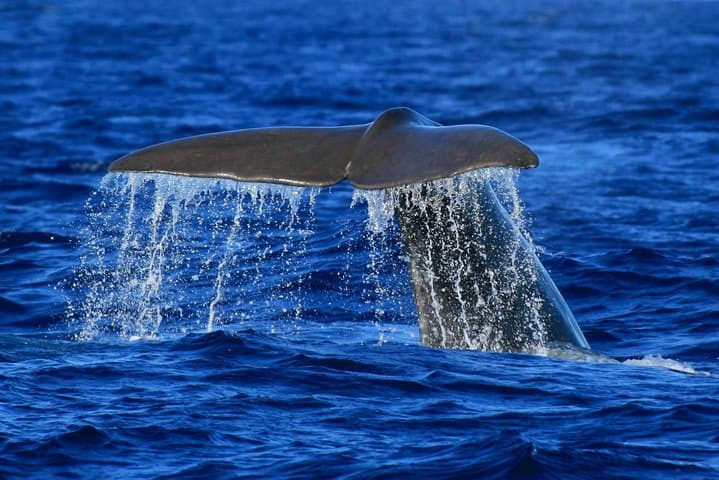
The boat slides away from Vila Franca do Campo's harbor and the island breathes out: basalt cliffs, green pastures, and a pale horizon where sea and sky trade light. Within an hour the water changes texture — darker, colder, alive — and the crew narrows their eyes toward the swell. Dolphins often arrive first, cutting the bow wave with practiced curiosity; larger, rarer visitors like sperm whales may appear farther offshore, their blows punctuating the silence.
The boat slides away from Vila Franca do Campo's harbor and the island breathes out: basalt cliffs, green pastures, and a pale horizon where sea and sky trade light. Within an hour the water changes texture — darker, colder, alive — and the crew narrows their eyes toward the swell. Dolphins often arrive first, cutting the bow wave with practiced curiosity; larger, rarer visitors like sperm whales may appear farther offshore, their blows punctuating the silence.
The Azores sit on the Mid-Atlantic Ridge and the islands’ volcanic geology creates steep drop-offs and nutrient-rich currents, which in turn attract a wide range of marine mammals. Historically the islands were a 20th-century whaling hub; today whales are studied and protected, and responsible watching is standard practice. Local fishing villages like Vila Franca keep a maritime culture rooted in navigation, boatbuilding and sea lore that guides modern tours.
Expect 2½–3 hours on the water, variable swell, and a mix of sightings — common and spotted dolphins are most frequent, with seasonal chances for bottlenose dolphins, pilot whales, and sperm whales. Guides balance proximity with conservation rules: no chase, slow approaches and brief observation windows.
Practical prep matters more than enthusiasm. Dress in windproof layers and non-slip shoes, bring sunscreen and a water-resistant camera, and time your trip for calmer morning seas if you’re prone to seasickness. Listen to the crew’s briefing, keep a respectful distance from animals, and treat sightings as shared, fleeting encounters — the ocean decides when to show its guests.