THE ADVENTURE COLLECTIVE® · Independent discovery and booking for outdoor travel

Board a research-focused whale and dolphin tour from Puerto Vallarta and watch humpbacks and several dolphin species with trained marine biologists. This 4.5-hour trip blends guided observation, hands-on research participation, and conservation-minded storytelling.
Board a research-focused whale and dolphin tour from Puerto Vallarta and watch humpbacks and several dolphin species with trained marine biologists. This 4.5-hour trip blends guided observation, hands-on research participation, and conservation-minded storytelling.
You step onto the foredeck as the boat slips from Marina Vallarta, salt spray fingering the air and the Bay of Banderas opening like a wide blue invitation. The guides — trained marine biologists — scan the horizon and the water answers: a dark back and a breath, dolphins arcing like punctuation, a humpback’s tail announcing a dive. The animals move with deliberate curiosity; the boat stays a respectful distance, and the guides translate behavior into context.
Verified experiences and guided adventures in the surrounding area.
Operated by Wildlife Connection · Puerto Vallarta, Jalisco
You step onto the foredeck as the boat slips from Marina Vallarta, salt spray fingering the air and the Bay of Banderas opening like a wide blue invitation. The guides — trained marine biologists — scan the horizon and the water answers: a dark back and a breath, dolphins arcing like punctuation, a humpback’s tail announcing a dive. The animals move with deliberate curiosity; the boat stays a respectful distance, and the guides translate behavior into context.
Bay of Banderas is one of Mexico’s largest bays, carved by tectonics and shaped by seasonal currents that bring food and, in winter, migrating humpbacks that come to mate and calve. Puerto Vallarta itself shifted from a small fishing town to an international gateway in the 20th century, and its fishing and maritime culture still inform local tours and research efforts.
On a biologist-led tour you’ll learn field methods — photo-ID, behavior notes, and how sightings feed long-term studies — while watching spinner, bottlenose, and spotted dolphins, plus the chance of manta rays and sea turtles. Guides explain research ethics and how to view animals without disturbing them.
Practical bits: tours run about 4.5 hours, vessels vary but are ocean-capable, and winter (Dec–Mar) is prime for humpbacks. Bring sun protection, a light windproof layer, and motion-sickness medication if you’re prone to seasickness. Expect informative narration, slow observation windows, and small-group research opportunities; this is wildlife watching with a scientific edge, where patience and respect improve the experience for both you and the animals.
easy.
4–5 hours.
Suitable for most fitness levels; able to board a small vessel and remain steady on your feet for observation windows.
Operators here often have high sighting rates and some offer money-back guarantees if cetaceans are not observed; check the tour’s specific guarantee and terms before booking.
Winter months (roughly December through March) are the peak season for humpback mating and calving in the Bay of Banderas.
Yes — biologist-led tours typically invite guests to assist with non-invasive tasks like photo-ID and behavioral notes; participation is guided and optional.
Many operators allow children and provide accessible boarding options, but check in advance about your vessel’s boarding setup and any age or pregnancy restrictions.
Puerto Vallarta evolved from a coastal fishing village to an international tourist hub in the mid-20th century; the bay’s marine life has supported local fisheries and now fuels research and ecotourism initiatives.
Tours run by biologists emphasize non-invasive observation and data collection; declining disturbance and responsible viewing practices are key to protecting breeding grounds and supporting local research.
Wildlife Connection operates guided outdoor trips and adventures with an emphasis on safety, stewardship, and memorable experiences.
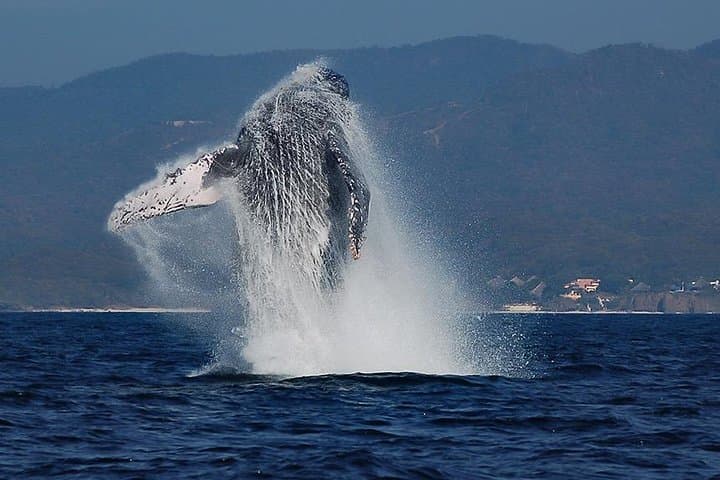
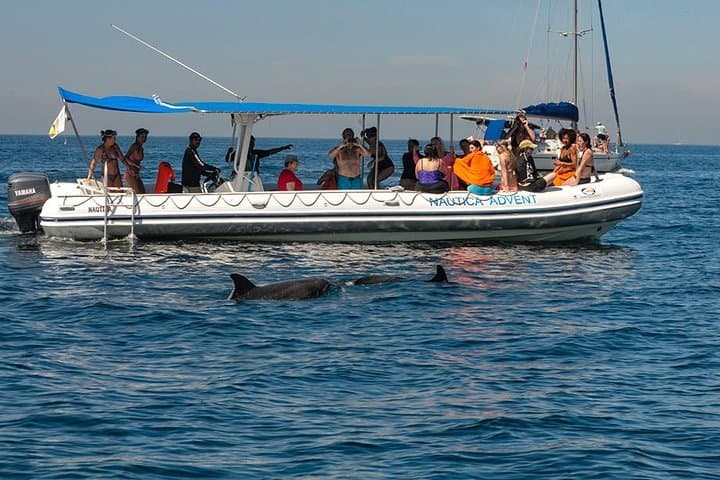
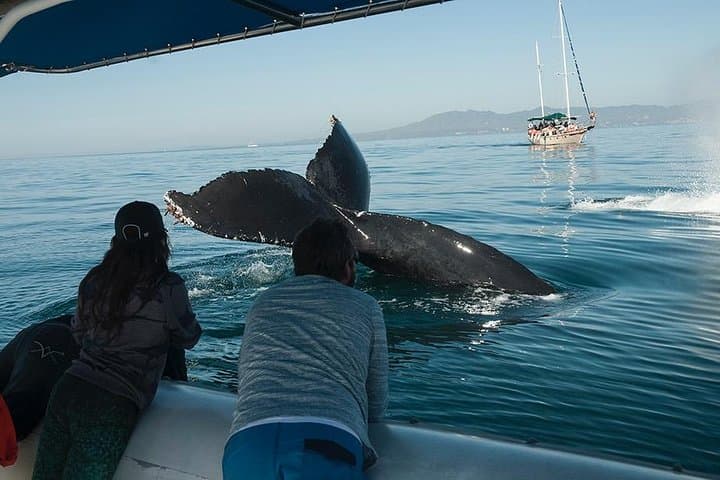
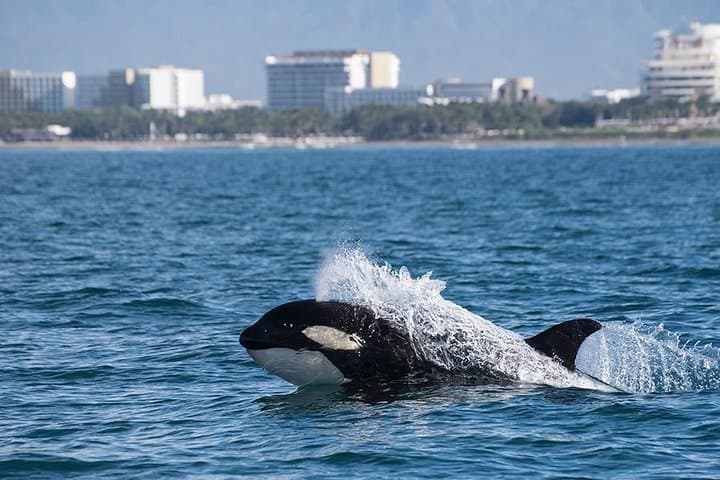
You step onto the foredeck as the boat slips from Marina Vallarta, salt spray fingering the air and the Bay of Banderas opening like a wide blue invitation. The guides — trained marine biologists — scan the horizon and the water answers: a dark back and a breath, dolphins arcing like punctuation, a humpback’s tail announcing a dive. The animals move with deliberate curiosity; the boat stays a respectful distance, and the guides translate behavior into context.
You step onto the foredeck as the boat slips from Marina Vallarta, salt spray fingering the air and the Bay of Banderas opening like a wide blue invitation. The guides — trained marine biologists — scan the horizon and the water answers: a dark back and a breath, dolphins arcing like punctuation, a humpback’s tail announcing a dive. The animals move with deliberate curiosity; the boat stays a respectful distance, and the guides translate behavior into context.
Bay of Banderas is one of Mexico’s largest bays, carved by tectonics and shaped by seasonal currents that bring food and, in winter, migrating humpbacks that come to mate and calve. Puerto Vallarta itself shifted from a small fishing town to an international gateway in the 20th century, and its fishing and maritime culture still inform local tours and research efforts.
On a biologist-led tour you’ll learn field methods — photo-ID, behavior notes, and how sightings feed long-term studies — while watching spinner, bottlenose, and spotted dolphins, plus the chance of manta rays and sea turtles. Guides explain research ethics and how to view animals without disturbing them.
Practical bits: tours run about 4.5 hours, vessels vary but are ocean-capable, and winter (Dec–Mar) is prime for humpbacks. Bring sun protection, a light windproof layer, and motion-sickness medication if you’re prone to seasickness. Expect informative narration, slow observation windows, and small-group research opportunities; this is wildlife watching with a scientific edge, where patience and respect improve the experience for both you and the animals.