THE ADVENTURE COLLECTIVE® · Independent discovery and booking for outdoor travel

Head out from Castries for a 3–3½ hour marine safari along St. Lucia’s west coast to see sperm, humpback and pilot whales plus playful dolphin species. Experienced local guides provide identification tips, commentary and complimentary beverages while you watch for dramatic blows, breaches and bow-riding pods.
Head out from Castries for a 3–3½ hour marine safari along St. Lucia’s west coast to see sperm, humpback and pilot whales plus playful dolphin species. Experienced local guides provide identification tips, commentary and complimentary beverages while you watch for dramatic blows, breaches and bow-riding pods.
Salt spray pops on your lips as the boat slips from the harbor and the West Coast of St. Lucia unfurls: volcanic ridges falling into deep blue, sugar-white beaches shrinking astern, and a horizon that suddenly looks too small for what lives beneath it.
Verified experiences and guided adventures in the surrounding area.
Operated by Captain Mike's Ltd · Castries, Castries District
Salt spray pops on your lips as the boat slips from the harbor and the West Coast of St. Lucia unfurls: volcanic ridges falling into deep blue, sugar-white beaches shrinking astern, and a horizon that suddenly looks too small for what lives beneath it.
The sea here is shaped by volcanic geology — steep submarine drop-offs and deep canyons that funnel nutrient-rich water and attract cetaceans. European colonial ports and fishing villages line the shoreline, and local crews blend traditional seamanship with modern marine science to read spouts and tail slaps.
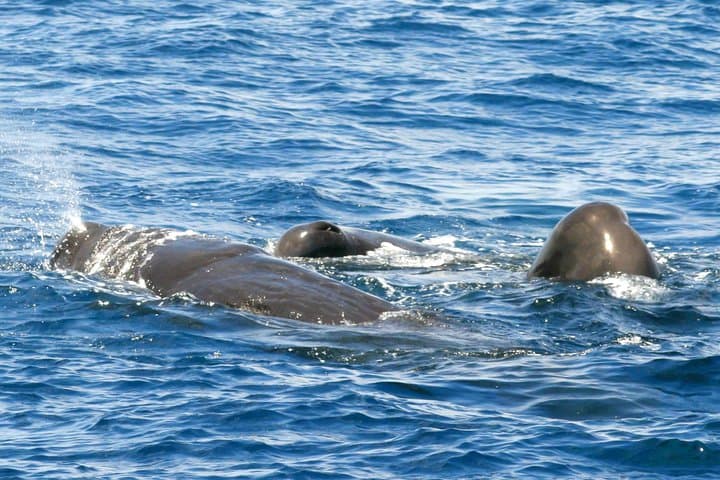
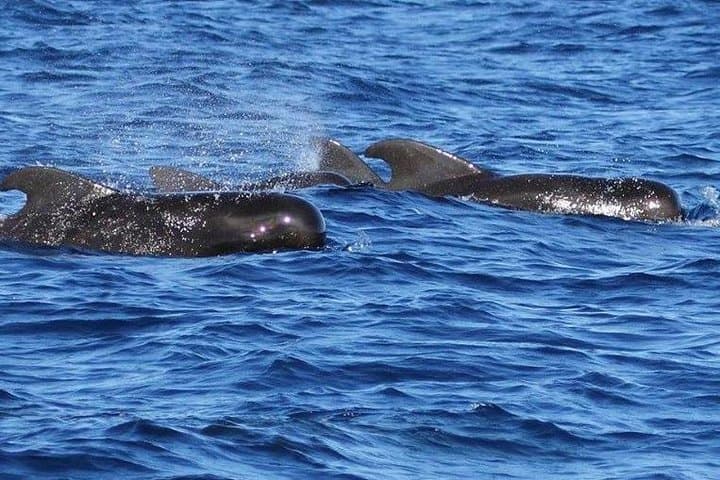
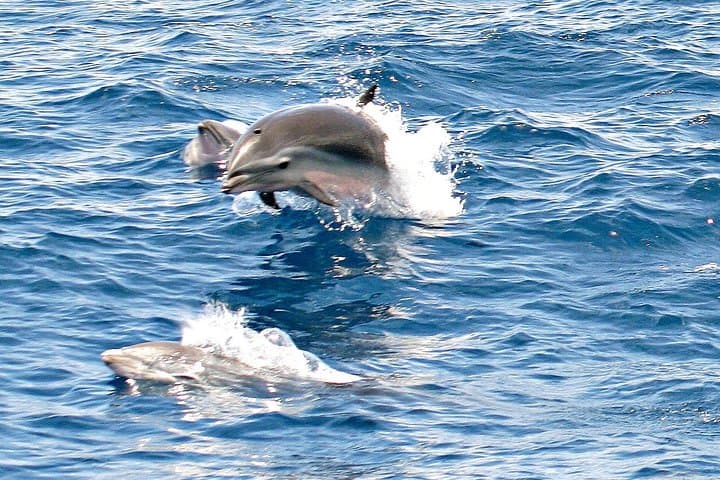
On a 3–3½ hour cruise you’ll scan swell lines and backlit fins, searching for sperm whales, humpbacks, pilot whales and several dolphin species. Guides explain identification marks, social behaviours and seasonal migration patterns; the animals often give clear, close views when currents concentrate prey, and dolphins commonly bow-ride the bow wake.
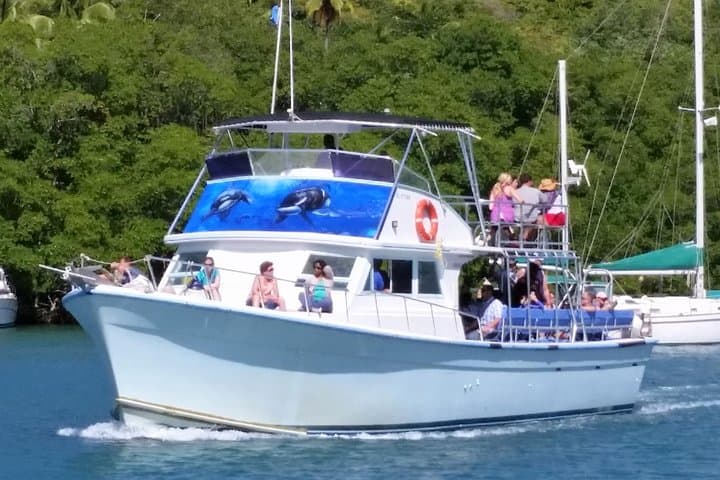
Practicalities matter: tours generally depart from the Castries/Rodney Bay area, accommodate families and cruise passengers, and supply bottled water and rum punch. Expect gentle boat motion but bring sun protection, a light wind layer, and binoculars. Weather and sea state influence sightings; operators aim for a high sighting rate but marine life is never guaranteed.
Timing your trip for calm seas and morning light improves comfort and photography. Be prepared for short, intense moments of activity — a breaching humpback or a churn of spinner dolphins — and for long, patient watches where the ocean simply holds its breath.
easy.
3–3.5 hours.
Suitable for most fitness levels; requires ability to step on/off a small vessel and stand for periods.
The excursion runs approximately 3 to 3½ hours from departure to return.
No—while operators report a high sighting rate, marine mammals are wild and sightings cannot be guaranteed.
Yes; children must be accompanied by an adult, and cruise ship guests should provide ship and docking details at booking.
Complimentary bottled water, soft drinks and rum punch are typically served aboard.
St. Lucia’s west coast has long been a maritime corridor for indigenous peoples and later colonial trade; fishing traditions remain part of local coastal communities.
Operators follow regional guidelines to keep respectful distances from cetaceans; choosing licensed, education-focused tours supports local conservation efforts.
Captain Mike's Ltd operates guided outdoor trips and adventures with an emphasis on safety, stewardship, and memorable experiences.
Salt spray pops on your lips as the boat slips from the harbor and the West Coast of St. Lucia unfurls: volcanic ridges falling into deep blue, sugar-white beaches shrinking astern, and a horizon that suddenly looks too small for what lives beneath it.
Salt spray pops on your lips as the boat slips from the harbor and the West Coast of St. Lucia unfurls: volcanic ridges falling into deep blue, sugar-white beaches shrinking astern, and a horizon that suddenly looks too small for what lives beneath it.
The sea here is shaped by volcanic geology — steep submarine drop-offs and deep canyons that funnel nutrient-rich water and attract cetaceans. European colonial ports and fishing villages line the shoreline, and local crews blend traditional seamanship with modern marine science to read spouts and tail slaps.
On a 3–3½ hour cruise you’ll scan swell lines and backlit fins, searching for sperm whales, humpbacks, pilot whales and several dolphin species. Guides explain identification marks, social behaviours and seasonal migration patterns; the animals often give clear, close views when currents concentrate prey, and dolphins commonly bow-ride the bow wake.
Practicalities matter: tours generally depart from the Castries/Rodney Bay area, accommodate families and cruise passengers, and supply bottled water and rum punch. Expect gentle boat motion but bring sun protection, a light wind layer, and binoculars. Weather and sea state influence sightings; operators aim for a high sighting rate but marine life is never guaranteed.
Timing your trip for calm seas and morning light improves comfort and photography. Be prepared for short, intense moments of activity — a breaching humpback or a churn of spinner dolphins — and for long, patient watches where the ocean simply holds its breath.