THE ADVENTURE COLLECTIVE® · Independent discovery and booking for outdoor travel

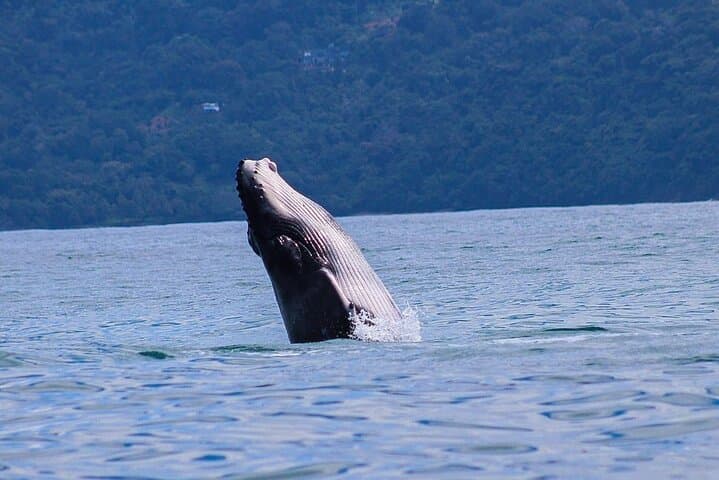
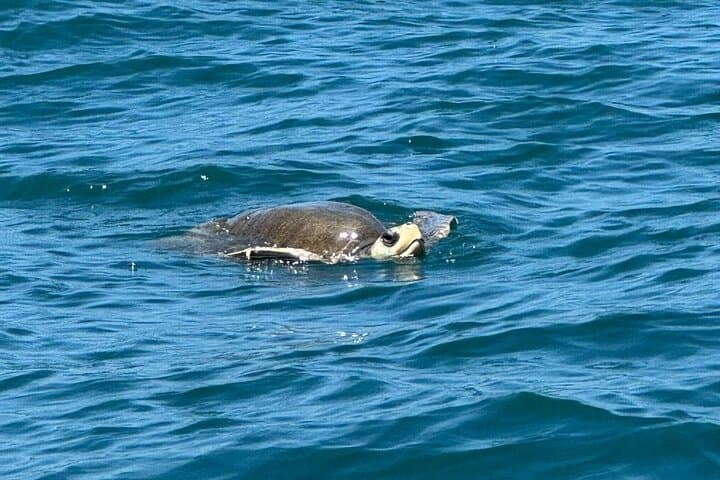
Board a small boat from Uvita and head for Marino Ballena’s Whale Tail to search for humpbacks, dolphins and turtles. This guided three-hour tour combines wildlife viewing with a swim and local insight into Costa Rica’s marine protections.
Board a small boat from Uvita and head for Marino Ballena’s Whale Tail to search for humpbacks, dolphins and turtles. This guided three-hour tour combines wildlife viewing with a swim and local insight into Costa Rica’s marine protections.
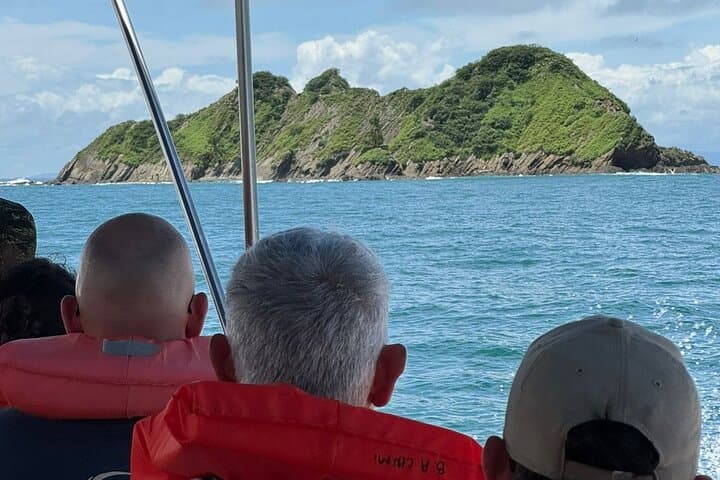
The boat slips out of Uvita before sunrise and the Pacific opens like a moving horizon, wind on your face and the Whale Tail sandbar receding into a thin line of surf. In calm seas the captain eases the bow toward Punta Uvita, scanning for blows and the flash of dorsal fins; the crew’s binoculars become a shared tool, translating distant specks into rushing spouts and breaching bodies.
Verified experiences and guided adventures in the surrounding area.
Operated by Ballena Infocenter · Uvita, Puntarenas
The boat slips out of Uvita before sunrise and the Pacific opens like a moving horizon, wind on your face and the Whale Tail sandbar receding into a thin line of surf. In calm seas the captain eases the bow toward Punta Uvita, scanning for blows and the flash of dorsal fins; the crew’s binoculars become a shared tool, translating distant specks into rushing spouts and breaching bodies.
Marino Ballena National Park protects a rare coastal formation—an exposed sandbar known locally as the Whale Tail—and a mosaic of reefs and channels that funnel migrating humpbacks. The park is a present-day meeting place for whales and dolphins and sits within an active Pacific ecosystem shaped by seasonal upwelling and river-fed sediments. Local fishing villages around Uvita and Dominical have long relied on the sea; today small-scale ecotourism helps fund conservation and park patrols.
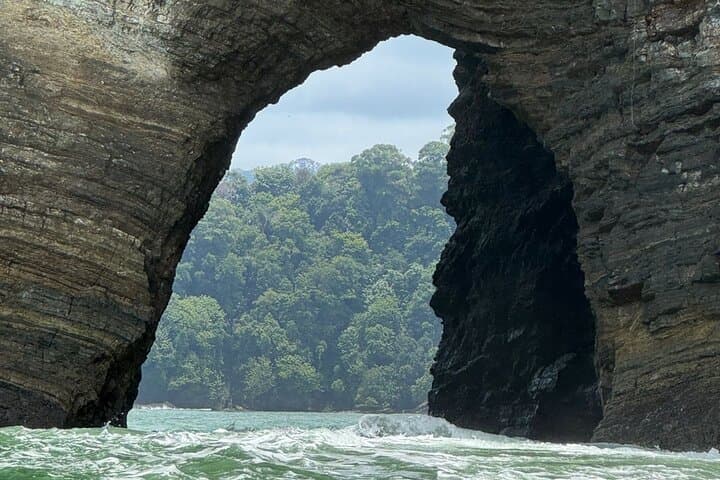
Expect guided wildlife searching with a naturalist or experienced captain, an emphasis on observation rather than pursuit, and stops near the Window Caverns when conditions allow. Sightings are highly likely in peak migration windows—December–April and July–October—but are never guaranteed. Boats typically allow a swim break in protected waters; crews provide basic refreshments and safety briefings.
Plan for sun, spray and sudden shifts in weather: lightweight layers, reef-safe sunscreen, motion-sickness remedies and a good camera or binoculars will make the trip more rewarding. The tour is family friendly and generally low in exertion, but the best sightings require patience and early starts. For travelers who want a tight, marine-focused experience, a three-hour outing here delivers close encounters and practical insight into Costa Rica’s coastal wildlife.
easy.
2–3 hours.
Suitable for people in average physical condition; mostly sitting with short periods of moving on deck and optional swimming
Marino Ballena has two main humpback seasons: December–April (northern populations) and July–October (southern populations). Sightings are more likely then but never guaranteed.
Yes—tours are family friendly; infants must sit on an adult’s lap and operators generally provide basic safety briefings and life jackets.
Many operators include a supervised swim stop in calm, protected waters; follow crew instructions and avoid touching wildlife or reefs.
Expect common sightings of spinner and bottlenose dolphins, sea turtles, and seabirds; occasional rays and small shark species may also appear.
Marino Ballena protects a distinctive tombolo and coastal habitats long used by local communities; the park now balances tourism with fisheries and conservation.
Operators in the park follow guidelines to avoid disturbing whales—keeping distance, limiting approach speed and minimizing noise. Choose companies that support park fees and local stewardship.
Ballena Infocenter operates guided outdoor trips and adventures with an emphasis on safety, stewardship, and memorable experiences.
The boat slips out of Uvita before sunrise and the Pacific opens like a moving horizon, wind on your face and the Whale Tail sandbar receding into a thin line of surf. In calm seas the captain eases the bow toward Punta Uvita, scanning for blows and the flash of dorsal fins; the crew’s binoculars become a shared tool, translating distant specks into rushing spouts and breaching bodies.
The boat slips out of Uvita before sunrise and the Pacific opens like a moving horizon, wind on your face and the Whale Tail sandbar receding into a thin line of surf. In calm seas the captain eases the bow toward Punta Uvita, scanning for blows and the flash of dorsal fins; the crew’s binoculars become a shared tool, translating distant specks into rushing spouts and breaching bodies.
Marino Ballena National Park protects a rare coastal formation—an exposed sandbar known locally as the Whale Tail—and a mosaic of reefs and channels that funnel migrating humpbacks. The park is a present-day meeting place for whales and dolphins and sits within an active Pacific ecosystem shaped by seasonal upwelling and river-fed sediments. Local fishing villages around Uvita and Dominical have long relied on the sea; today small-scale ecotourism helps fund conservation and park patrols.
Expect guided wildlife searching with a naturalist or experienced captain, an emphasis on observation rather than pursuit, and stops near the Window Caverns when conditions allow. Sightings are highly likely in peak migration windows—December–April and July–October—but are never guaranteed. Boats typically allow a swim break in protected waters; crews provide basic refreshments and safety briefings.
Plan for sun, spray and sudden shifts in weather: lightweight layers, reef-safe sunscreen, motion-sickness remedies and a good camera or binoculars will make the trip more rewarding. The tour is family friendly and generally low in exertion, but the best sightings require patience and early starts. For travelers who want a tight, marine-focused experience, a three-hour outing here delivers close encounters and practical insight into Costa Rica’s coastal wildlife.