THE ADVENTURE COLLECTIVE® · Independent discovery and booking for outdoor travel

Combine humpback whale watching with two guided scuba dives off Cabo’s marina in a single 5.5-hour morning. Small groups, PADI Eco Center practices and local guides aim to maximize sightings both above and below the surface.
Combine humpback whale watching with two guided scuba dives off Cabo’s marina in a single 5.5-hour morning. Small groups, PADI Eco Center practices and local guides aim to maximize sightings both above and below the surface.
Morning light flakes across the marina as the skiff pushes off from Plaza Nautica, the Arch visible where the Sea of Cortez meets the Pacific.
Verified experiences and guided adventures in the surrounding area.
Operated by Cabo Private Guide · Cabo San Lucas, Baja California Sur
Morning light flakes across the marina as the skiff pushes off from Plaza Nautica, the Arch visible where the Sea of Cortez meets the Pacific.
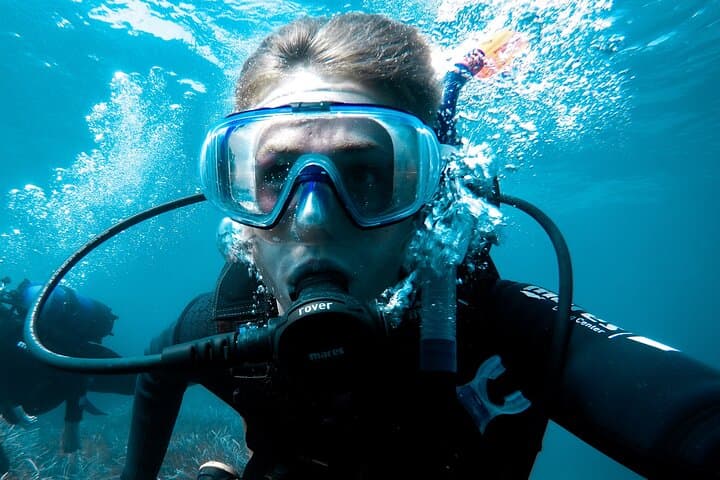
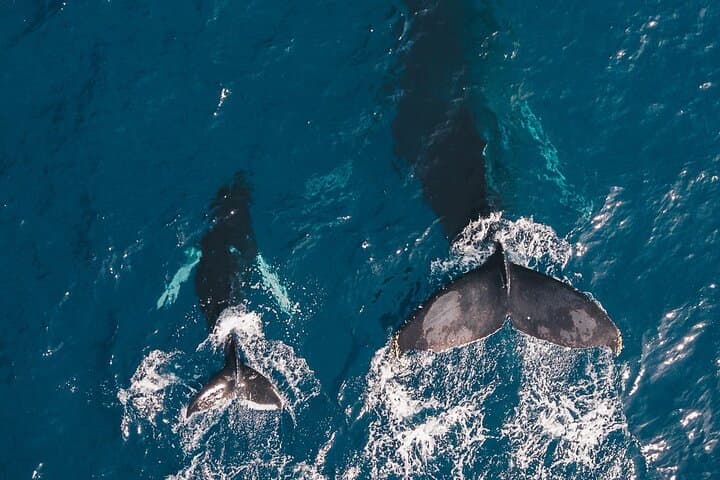
You start on the water, scanning for the tall exhales and graceful tails of humpback whales, then slip beneath the surface into a different world: kelp, reef walls and curious reef fish. The itinerary blends a focused 1.5-hour whale-watch with two guided dives selected near recent whale sightings — a strategy that gives divers the best chance for a layered encounter above and below the surface.
Geology here is blunt and recent: volcanic necks and hardened lava have shaped narrow peninsulas and steep reefs that concentrate nutrients and marine life. Culturally, Cabo San Lucas grew from a fishing village into a busy port and tourist hub; the dive operators here emphasize small groups, local stewardship and PADI Eco Center practices.
Practical notes: plan for a 5.5-hour morning trip that departs from Dock J at Plaza Nautica. The operator runs 1:4 instructor-to-diver ratios, includes scuba gear, a light brunch and free refreshers if you haven’t dived in a year. Expect to see pufferfish, rays, eels, octopus and reef sharks; humpback season is strongest in winter to early spring. Bring your certification card, a shorty or full wetsuit depending on season, seasickness meds if you’re prone, and waterproof ID. The tour is wheelchair-accessible at the marina but diving and transfers require basic mobility.
Safety and etiquette are prioritized: follow briefings for surface intervals, respect suggested distances from whales, and accept the reality that wildlife sightings can’t be guaranteed.
moderate.
5–6 hours.
Moderate fitness—able to climb ladders, carry gear and swim comfortably at the surface
No—operators choose areas based on recent sightings to maximize chances, but wildlife cannot be guaranteed.
Yes; an Open Water certification is required. The operator offers free refreshers for divers who haven’t dived in the past year.
Scuba equipment, two guided dives, a light brunch, and spotting for whales during dedicated whale-watch periods are included.
Non-divers can enjoy the whale-watch portion and scenic tour, but diving sections require certification and basic physical mobility.
Cabo developed from a small fishing and pearl-diving community; its unique position at the meeting of two seas concentrates marine life and drew early commercial fishing and later recreational diving.
Operators at many Cabo dive centers follow PADI Eco Center guidelines and small-group practices to reduce reef impacts; always choose reef-safe sunscreen and avoid touching marine life.
Cabo Private Guide operates guided outdoor trips and adventures with an emphasis on safety, stewardship, and memorable experiences.


Morning light flakes across the marina as the skiff pushes off from Plaza Nautica, the Arch visible where the Sea of Cortez meets the Pacific.
Morning light flakes across the marina as the skiff pushes off from Plaza Nautica, the Arch visible where the Sea of Cortez meets the Pacific.
You start on the water, scanning for the tall exhales and graceful tails of humpback whales, then slip beneath the surface into a different world: kelp, reef walls and curious reef fish. The itinerary blends a focused 1.5-hour whale-watch with two guided dives selected near recent whale sightings — a strategy that gives divers the best chance for a layered encounter above and below the surface.
Geology here is blunt and recent: volcanic necks and hardened lava have shaped narrow peninsulas and steep reefs that concentrate nutrients and marine life. Culturally, Cabo San Lucas grew from a fishing village into a busy port and tourist hub; the dive operators here emphasize small groups, local stewardship and PADI Eco Center practices.
Practical notes: plan for a 5.5-hour morning trip that departs from Dock J at Plaza Nautica. The operator runs 1:4 instructor-to-diver ratios, includes scuba gear, a light brunch and free refreshers if you haven’t dived in a year. Expect to see pufferfish, rays, eels, octopus and reef sharks; humpback season is strongest in winter to early spring. Bring your certification card, a shorty or full wetsuit depending on season, seasickness meds if you’re prone, and waterproof ID. The tour is wheelchair-accessible at the marina but diving and transfers require basic mobility.
Safety and etiquette are prioritized: follow briefings for surface intervals, respect suggested distances from whales, and accept the reality that wildlife sightings can’t be guaranteed.