THE ADVENTURE COLLECTIVE® · Independent discovery and booking for outdoor travel

Walk through steam-wreathed pools and bright mineral lakes on the Whaka Geothermal Trails in Whakarewarewa, Rotorua. This easy, self-guided loop showcases active geothermal features, Māori cultural connections, and boardwalked viewpoints — ideal for a 30–60 minute outdoor introduction to New Zealand’s volcanic landscape.
Walk through steam-wreathed pools and bright mineral lakes on the Whaka Geothermal Trails in Whakarewarewa, Rotorua. This easy, self-guided loop showcases active geothermal features, Māori cultural connections, and boardwalked viewpoints — ideal for a 30–60 minute outdoor introduction to New Zealand’s volcanic landscape.
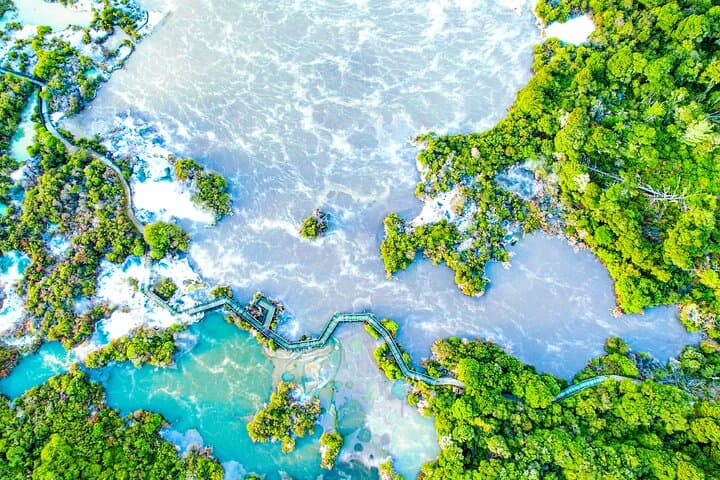
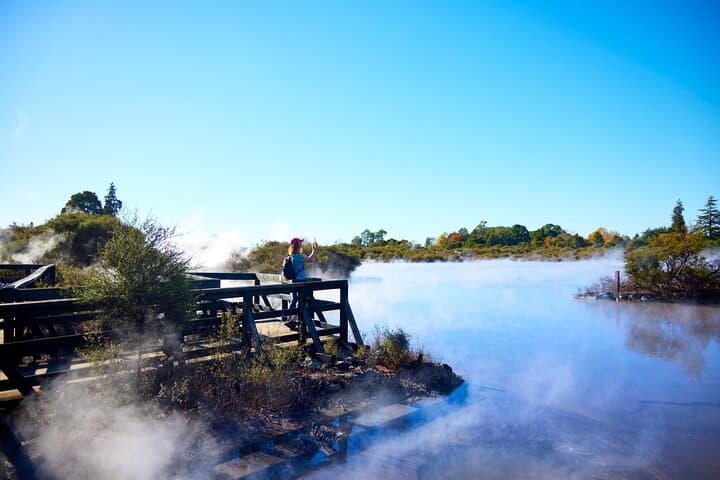
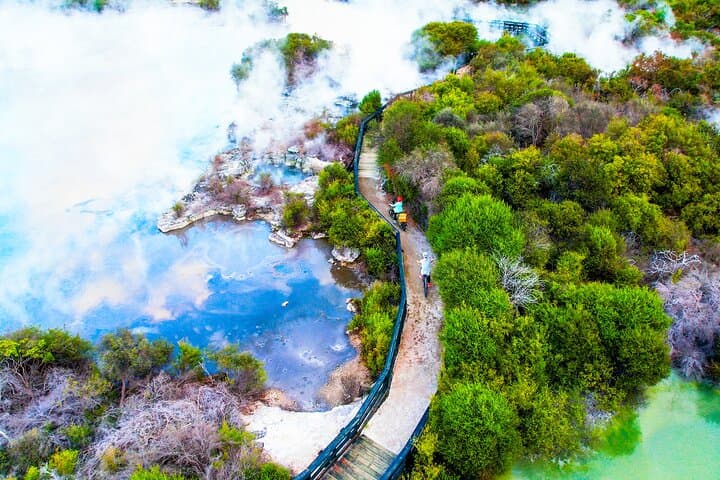
You step from Rotorua's cool shade into a landscape that seems to remember older suns: steam lifts in slow columns, earth exhales sulphurous breath, and bright mineral lakes dare you to believe they are anything but alive. The Whaka Geothermal Trails thread through Whakarewarewa’s active thermal field, where bubbling mud, hot spring lakes and pocket geysers punctuate stands of resilient manuka and ferns.
Verified experiences and guided adventures in the surrounding area.
Operated by Whakarewarewa, The Living Maori Village · Rotorua, Bay of Plenty
You step from Rotorua's cool shade into a landscape that seems to remember older suns: steam lifts in slow columns, earth exhales sulphurous breath, and bright mineral lakes dare you to believe they are anything but alive. The Whaka Geothermal Trails thread through Whakarewarewa’s active thermal field, where bubbling mud, hot spring lakes and pocket geysers punctuate stands of resilient manuka and ferns.
Geologically this is the northern edge of the Taupō Volcanic Zone — a restless corridor of heat and chemistry that shapes the region’s sulphur-scented colors and boiled textures. Culturally, Whakarewarewa is a living Māori place where geothermal activity has been used for generations for heating, cooking and ritual; the trails offer views into these practices while keeping the thermal features at a safe distance.
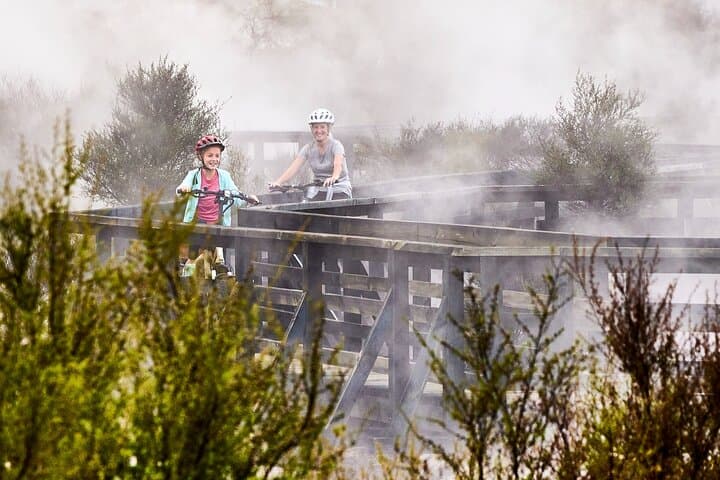
The experience is a short, self-guided walk suitable for most visitors: allow 30–60 minutes to follow waymarked paths and boardwalks that protect fragile ground and guide you to the best photo vantage points. Expect easy terrain with interpretive signs describing plants, hot springs and the science beneath your feet.
Practicalities: entry includes the Whakarewarewa admission ticket; last entry window is 9:00–16:00. The route is wheelchair- and stroller-friendly, and public transport serves the area. Bring a windproof layer (steam and wind can chill), stay on formed paths, and pack water and sun protection. Keep pets and curious hands away from thermal features — the ground and water are hotter than they appear. For a concise, accessible geothermal introduction in Rotorua, the Whaka Trails deliver vivid, immediately tangible geology with minimal exertion.
easy.
30–60 minutes.
Suitable for people with a low level of fitness; mostly flat, formed paths and boardwalks.
Plan for 30–60 minutes depending on how many viewpoints and interpretive signs you stop at; the last entry is between 9:00 and 16:00.
Yes — the Whaka Trails are designed to be wheelchair- and stroller-accessible with formed paths and boardwalk sections.
Admission to Whakarewarewa is included with this product; the experience is self-guided rather than led by a tour guide.
No — thermal waters and ground are dangerously hot; remain on paths and follow safety signage at all times.
Whakarewarewa is a living Māori village with centuries of continuous use of geothermal resources for cooking and bathing; the area lies within the Taupō Volcanic Zone.
Boardwalks and access controls minimize damage to fragile geothermal crust and native vegetation; visitors are asked to follow signage and avoid collecting or disturbing features.
Whakarewarewa, The Living Maori Village operates guided outdoor trips and adventures with an emphasis on safety, stewardship, and memorable experiences.
You step from Rotorua's cool shade into a landscape that seems to remember older suns: steam lifts in slow columns, earth exhales sulphurous breath, and bright mineral lakes dare you to believe they are anything but alive. The Whaka Geothermal Trails thread through Whakarewarewa’s active thermal field, where bubbling mud, hot spring lakes and pocket geysers punctuate stands of resilient manuka and ferns.
You step from Rotorua's cool shade into a landscape that seems to remember older suns: steam lifts in slow columns, earth exhales sulphurous breath, and bright mineral lakes dare you to believe they are anything but alive. The Whaka Geothermal Trails thread through Whakarewarewa’s active thermal field, where bubbling mud, hot spring lakes and pocket geysers punctuate stands of resilient manuka and ferns.
Geologically this is the northern edge of the Taupō Volcanic Zone — a restless corridor of heat and chemistry that shapes the region’s sulphur-scented colors and boiled textures. Culturally, Whakarewarewa is a living Māori place where geothermal activity has been used for generations for heating, cooking and ritual; the trails offer views into these practices while keeping the thermal features at a safe distance.
The experience is a short, self-guided walk suitable for most visitors: allow 30–60 minutes to follow waymarked paths and boardwalks that protect fragile ground and guide you to the best photo vantage points. Expect easy terrain with interpretive signs describing plants, hot springs and the science beneath your feet.
Practicalities: entry includes the Whakarewarewa admission ticket; last entry window is 9:00–16:00. The route is wheelchair- and stroller-friendly, and public transport serves the area. Bring a windproof layer (steam and wind can chill), stay on formed paths, and pack water and sun protection. Keep pets and curious hands away from thermal features — the ground and water are hotter than they appear. For a concise, accessible geothermal introduction in Rotorua, the Whaka Trails deliver vivid, immediately tangible geology with minimal exertion.