THE ADVENTURE COLLECTIVE® · Independent discovery and booking for outdoor travel

Ride the Elaho’s punchy Class 3–4 rapids through old-growth forests and glacier-carved cliffs. This 5–6 hour rafting run mixes big-wave sections with scenic river pools and local wildlife viewing.
Ride the Elaho’s punchy Class 3–4 rapids through old-growth forests and glacier-carved cliffs. This 5–6 hour rafting run mixes big-wave sections with scenic river pools and local wildlife viewing.
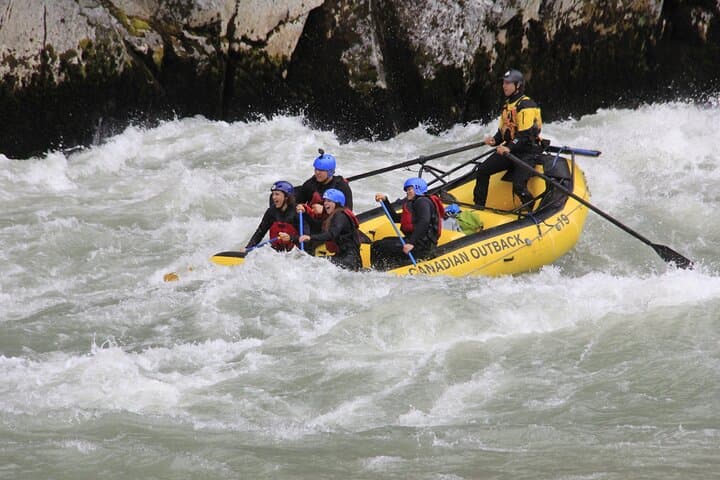
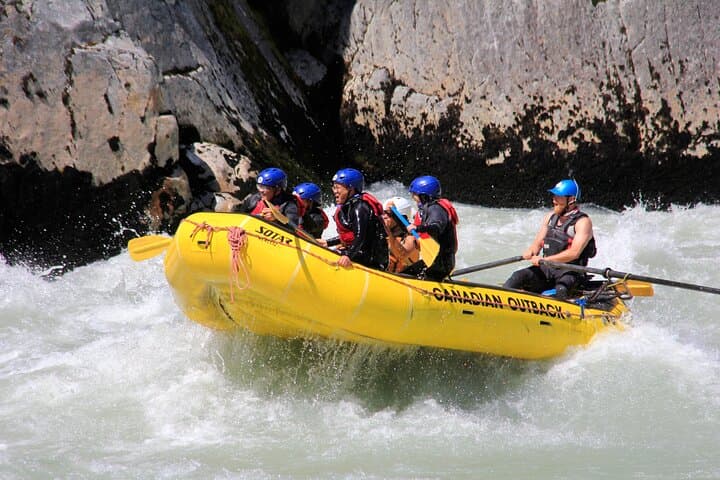
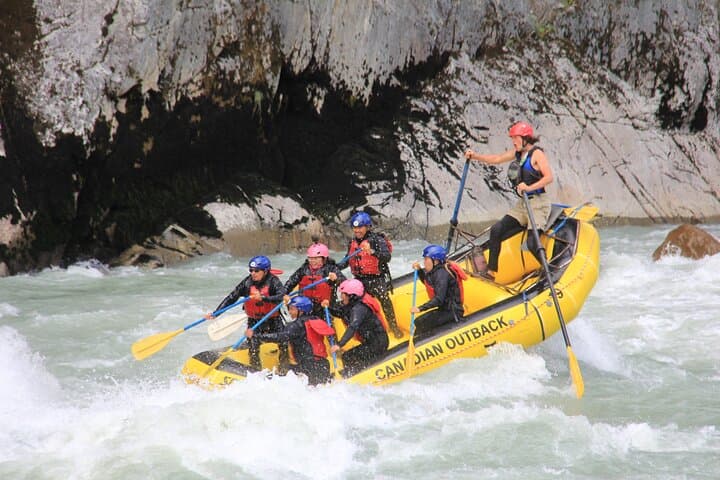
The raft drops into the river and the world sharpens: spray hisses, guides shout rhythm, and the current seems to lean into you as if daring you forward.
Verified experiences and guided adventures in the surrounding area.
Operated by Canadian Outback Rafting Company Ltd. · Squamish, British Columbia
The raft drops into the river and the world sharpens: spray hisses, guides shout rhythm, and the current seems to lean into you as if daring you forward.
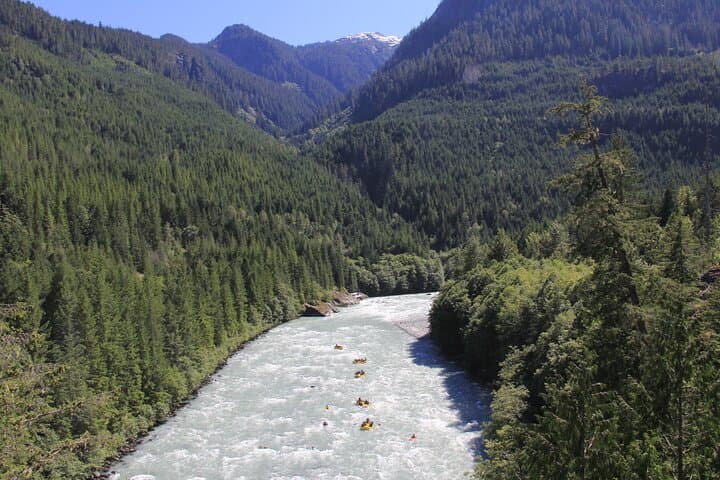
This trip threads roughly 10 miles of the Elaho and Squamish Rivers, running through steep granite walls carved by ice and time. Geologically the corridor records recent glacial sculpting; you’ll pass exposed bedrock, waterfalls tumbling from hanging valleys, and depositional gravel bars where the river slows and rewrites its route. The Elaho’s “Devil’s Elbow” is famous for testing crews with punchy Class 3–4 rapids — the same stretch shown on Eco-Challenge — while calmer pools give space to watch eagles quarter the banks.
The valley sits on unceded territory of the Squamish and Lil’wat Nations, rivers that supported travel, fishing and seasonal camps for generations. Contemporary guides blend technical rivercraft with local knowledge, pointing out salmon runs, beaver activity, and old-growth stands.
Practical guidance: plan for a full half-day (about 5–6 hours door-to-door). Safety gear — wetsuits, booties, helmets, life jackets — is provided, but bring a synthetic base layer, secure footwear, sunscreen, and a dry change of clothes. Expect intermittent swims; basic comfort in water and the ability to follow guide commands matter more than prior whitewater experience. Midday departures are common for warmer conditions and higher water levels in spring; summer brings lower flows but strong sun. Keep electronics in waterproof cases or leave them on shore.
This is a high-adrenaline river day that rewards focus as much as courage: the river pushes, and you learn to move with it.
challenging.
5–6 hours.
Moderate fitness recommended — participants should be comfortable following commands, able to paddle intermittently, and manage short swims.
Minimum age is 13 years; guests under 18 must be accompanied by an adult and sign a waiver.
No — guides teach paddling and safety skills, but you should be comfortable in water and able to follow instructions.
The operator supplies wetsuits, neoprene jackets, booties, helmets, and life jackets for all guests.
Trips may be canceled for unsafe conditions; check the operator’s 24-hour cancellation policy for refunds and rescheduling.
These rivers flow through territory of the Squamish and Lil’wat Nations; they were long used for salmon fishing and seasonal camps before modern recreation developed.
Banks and riverbeds are sensitive; follow Leave No Trace, avoid disturbing spawning areas, and pack out all trash to protect salmon habitat and riparian vegetation.
Canadian Outback Rafting Company Ltd. operates guided outdoor trips and adventures with an emphasis on safety, stewardship, and memorable experiences.
The raft drops into the river and the world sharpens: spray hisses, guides shout rhythm, and the current seems to lean into you as if daring you forward.
The raft drops into the river and the world sharpens: spray hisses, guides shout rhythm, and the current seems to lean into you as if daring you forward.
This trip threads roughly 10 miles of the Elaho and Squamish Rivers, running through steep granite walls carved by ice and time. Geologically the corridor records recent glacial sculpting; you’ll pass exposed bedrock, waterfalls tumbling from hanging valleys, and depositional gravel bars where the river slows and rewrites its route. The Elaho’s “Devil’s Elbow” is famous for testing crews with punchy Class 3–4 rapids — the same stretch shown on Eco-Challenge — while calmer pools give space to watch eagles quarter the banks.
The valley sits on unceded territory of the Squamish and Lil’wat Nations, rivers that supported travel, fishing and seasonal camps for generations. Contemporary guides blend technical rivercraft with local knowledge, pointing out salmon runs, beaver activity, and old-growth stands.
Practical guidance: plan for a full half-day (about 5–6 hours door-to-door). Safety gear — wetsuits, booties, helmets, life jackets — is provided, but bring a synthetic base layer, secure footwear, sunscreen, and a dry change of clothes. Expect intermittent swims; basic comfort in water and the ability to follow guide commands matter more than prior whitewater experience. Midday departures are common for warmer conditions and higher water levels in spring; summer brings lower flows but strong sun. Keep electronics in waterproof cases or leave them on shore.
This is a high-adrenaline river day that rewards focus as much as courage: the river pushes, and you learn to move with it.