THE ADVENTURE COLLECTIVE® · Independent discovery and booking for outdoor travel

Explore Westminster Abbey at your own pace with a 60–120 minute audio tour that highlights coronations, Poets’ Corner, and the Queen’s Diamond Jubilee Galleries. Timed mobile tickets and 14-language guides make this a practical, informative stop in central London.
Explore Westminster Abbey at your own pace with a 60–120 minute audio tour that highlights coronations, Poets’ Corner, and the Queen’s Diamond Jubilee Galleries. Timed mobile tickets and 14-language guides make this a practical, informative stop in central London.
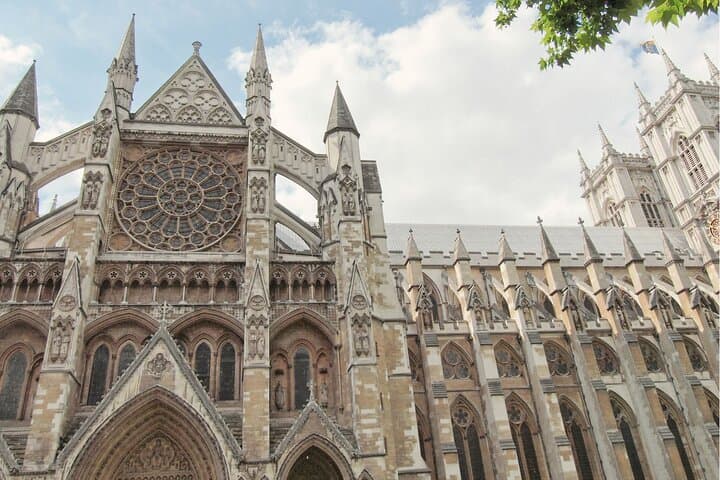
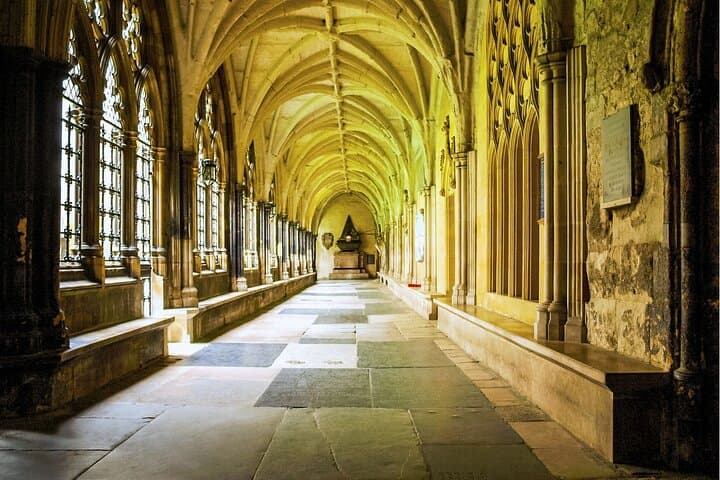
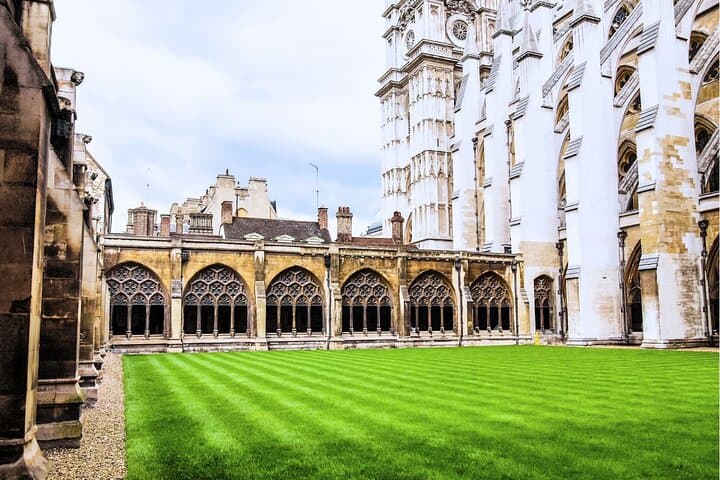
You step through the west doors and the air cools; sunlight slants across carved stone, and the hush of centuries presses close. Westminster Abbey greets you with cloisters and columns, a compact city of memory where coronations, funerals, and quiet study have shaped Britain’s public life.
Verified experiences and guided adventures in the surrounding area.
Operated by Wanderung · London, England
You step through the west doors and the air cools; sunlight slants across carved stone, and the hush of centuries presses close. Westminster Abbey greets you with cloisters and columns, a compact city of memory where coronations, funerals, and quiet study have shaped Britain’s public life.
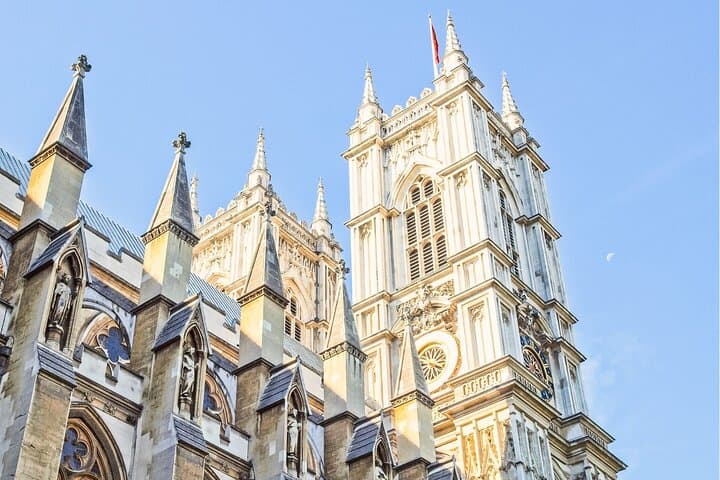
The building you enter began life in the Anglo-Saxon era but took its present Gothic form under Henry III in the 13th century. Look for Purbeck marble shafts and limestone vaulting; the masonry and carved bosses reveal construction choices and restorations spanning medieval masons to modern conservation teams. Nearby, the River Thames and the Houses of Parliament set a political stage that complements the Abbey’s religious and cultural role.
The multimedia audio guide (available in 14 languages) steers you from the nave to Poets’ Corner and the Coronation Chair, pausing with stories of monarchs, poets, and scientists interred here. The Queen’s Diamond Jubilee Galleries, high above the nave, collect regalia and artifacts that illuminate everyday ceremony.
Practical notes: tickets are mobile and timed—bring your confirmation and arrive 10–15 minutes early to skip queues. The route is largely step-free but includes some stairs to higher galleries; plan 60–120 minutes depending on how deeply you linger. Photography is permitted in some areas but restricted in chapels; audio guides let you explore at your pace while preserving quiet.
This visit balances architectural detail, cultural context, and visitor-friendly logistics—ideal for history-minded travelers who want an efficient, richly informed stop in central London.
easy.
1–2 hours.
Suitable for all fitness levels; involves standing and walking on stone floors with some stairs to upper galleries
Mobile or paper tickets are accepted; bring the confirmation and a valid ID if required.
Tours typically last 60–120 minutes and the multimedia audio guide is offered in 14 languages.
The site is largely wheelchair accessible with step-free routes for much of the main areas, though some galleries require stairs—check staff for assistance routes.
Photography is permitted in many public spaces but restricted in chapels and near certain memorials—follow posted rules and staff directions.
Westminster Abbey’s origins reach back to an Anglo-Saxon church; the current Gothic structure was commissioned by Henry III in the 13th century and has hosted coronations since 1066.
Ongoing conservation addresses historic stonework and stained glass; timed tickets and guided flow help reduce wear and protect fragile monuments.
Wanderung operates guided outdoor trips and adventures with an emphasis on safety, stewardship, and memorable experiences.
You step through the west doors and the air cools; sunlight slants across carved stone, and the hush of centuries presses close. Westminster Abbey greets you with cloisters and columns, a compact city of memory where coronations, funerals, and quiet study have shaped Britain’s public life.
You step through the west doors and the air cools; sunlight slants across carved stone, and the hush of centuries presses close. Westminster Abbey greets you with cloisters and columns, a compact city of memory where coronations, funerals, and quiet study have shaped Britain’s public life.
The building you enter began life in the Anglo-Saxon era but took its present Gothic form under Henry III in the 13th century. Look for Purbeck marble shafts and limestone vaulting; the masonry and carved bosses reveal construction choices and restorations spanning medieval masons to modern conservation teams. Nearby, the River Thames and the Houses of Parliament set a political stage that complements the Abbey’s religious and cultural role.
The multimedia audio guide (available in 14 languages) steers you from the nave to Poets’ Corner and the Coronation Chair, pausing with stories of monarchs, poets, and scientists interred here. The Queen’s Diamond Jubilee Galleries, high above the nave, collect regalia and artifacts that illuminate everyday ceremony.
Practical notes: tickets are mobile and timed—bring your confirmation and arrive 10–15 minutes early to skip queues. The route is largely step-free but includes some stairs to higher galleries; plan 60–120 minutes depending on how deeply you linger. Photography is permitted in some areas but restricted in chapels; audio guides let you explore at your pace while preserving quiet.
This visit balances architectural detail, cultural context, and visitor-friendly logistics—ideal for history-minded travelers who want an efficient, richly informed stop in central London.