THE ADVENTURE COLLECTIVE® · Independent discovery and booking for outdoor travel

Trace five millennia of Mediterranean history on a compact, guided 5-day route from Istanbul to Ephesus — Byzantine monuments, Gallipoli battlefields, Troy, Pergamum, and the marble streets of ancient Ephesus. Expect moderate walking, skip-the-line guidance, and regional culinary stops.
Trace five millennia of Mediterranean history on a compact, guided 5-day route from Istanbul to Ephesus — Byzantine monuments, Gallipoli battlefields, Troy, Pergamum, and the marble streets of ancient Ephesus. Expect moderate walking, skip-the-line guidance, and regional culinary stops.
A damp morning fog lifts off the Bosphorus as a minivan threads through Istanbul’s stone-lined streets, bringing a small group of travelers to a city that has belonged to empires. Over five days the route marches west: Byzantine domes and Ottoman minarets give way to battle-scarred ANZAC headlands, weathered Trojan walls, and the marble terraces of Pergamum and Ephesus. Each stop is a different chapter of the same coastline story — trade, faith, and the slow work of stone and sea.
Verified experiences and guided adventures in the surrounding area.
Operated by Tour Altinkum Travel · Istanbul, Istanbul Province
A damp morning fog lifts off the Bosphorus as a minivan threads through Istanbul’s stone-lined streets, bringing a small group of travelers to a city that has belonged to empires. Over five days the route marches west: Byzantine domes and Ottoman minarets give way to battle-scarred ANZAC headlands, weathered Trojan walls, and the marble terraces of Pergamum and Ephesus. Each stop is a different chapter of the same coastline story — trade, faith, and the slow work of stone and sea.
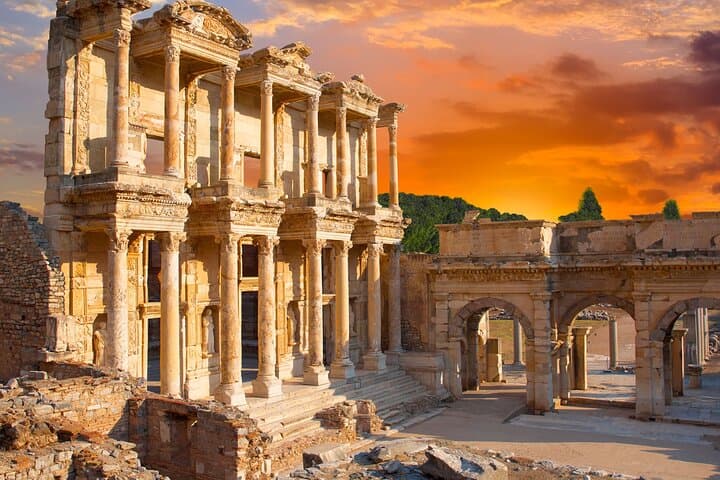
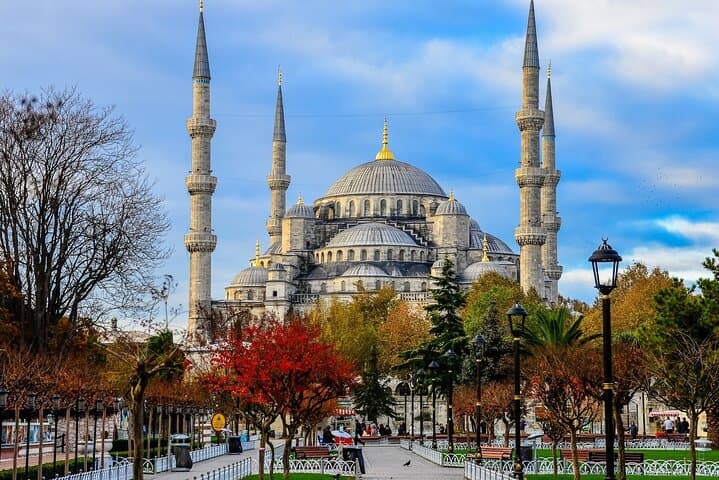
Visitors walk where Roman citizens and Ottoman courtiers once moved: the Hagia Sophia’s vast nave, the Blue Mosque’s tiled hush, and the layered ruins of Troy that reveal city-planning across millennia. At Gallipoli the landscape is quieter but still insistently present — gulls wheel above cliff-edge cemeteries while the wind seems to keep watch. Pergamum’s Asklepion shows ancient medicine’s practical curiosity paired with a view of the Aegean; Ephesus’ marble streets let you feel the scale of a city that rivaled Rome.
Practicalities matter: expect multiple transfers by air-conditioned vehicle, moderate walking on uneven ancient stone, and a mix of included breakfasts and lunches. Entrance fees are not included; guides typically carry skip-the-line tickets for major sites. Bring a sturdy pair of walking shoes, sun protection, and a small daypack for water and camera. Timing your visit for early mornings at major ruins avoids crowds and afternoon heat. This is a concentrated cultural itinerary for travelers who want historic context without marathon logistics.
moderate.
5 days.
Light to moderate fitness; comfortable walking for 2–4 hours daily on uneven ground is required.
No — admission fees to archaeological sites are generally excluded; guides often carry skip-the-line tickets but you should budget for individual entry where required.
Expect moderate walking on uneven surfaces: typical site visits include 1–3 miles of on-foot exploration per stop with stairs and loose stone underfoot.
Transfer services from and to airports are included as listed, but confirm your pickup time when booking flights and share arrival details.
The program notes it’s suitable for all fitness levels, but many sites have uneven terrain and staircases — travelers with mobility limits should check specific accessibility at each stop.
Western Turkey links Hellenistic, Roman, Byzantine and Ottoman layers — Pergamum was a major Hellenistic capital and Ephesus a Roman trade hub with the Temple of Artemis.
Archaeological sites limit visitor routes to protect ancient fabric and erosion; follow marked paths and avoid touching fragile masonry. Coastal areas observe nesting seasons for sea turtles and restrict beach access in some spots.
Tour Altinkum Travel operates guided outdoor trips and adventures with an emphasis on safety, stewardship, and memorable experiences.
A damp morning fog lifts off the Bosphorus as a minivan threads through Istanbul’s stone-lined streets, bringing a small group of travelers to a city that has belonged to empires. Over five days the route marches west: Byzantine domes and Ottoman minarets give way to battle-scarred ANZAC headlands, weathered Trojan walls, and the marble terraces of Pergamum and Ephesus. Each stop is a different chapter of the same coastline story — trade, faith, and the slow work of stone and sea.
A damp morning fog lifts off the Bosphorus as a minivan threads through Istanbul’s stone-lined streets, bringing a small group of travelers to a city that has belonged to empires. Over five days the route marches west: Byzantine domes and Ottoman minarets give way to battle-scarred ANZAC headlands, weathered Trojan walls, and the marble terraces of Pergamum and Ephesus. Each stop is a different chapter of the same coastline story — trade, faith, and the slow work of stone and sea.
Visitors walk where Roman citizens and Ottoman courtiers once moved: the Hagia Sophia’s vast nave, the Blue Mosque’s tiled hush, and the layered ruins of Troy that reveal city-planning across millennia. At Gallipoli the landscape is quieter but still insistently present — gulls wheel above cliff-edge cemeteries while the wind seems to keep watch. Pergamum’s Asklepion shows ancient medicine’s practical curiosity paired with a view of the Aegean; Ephesus’ marble streets let you feel the scale of a city that rivaled Rome.
Practicalities matter: expect multiple transfers by air-conditioned vehicle, moderate walking on uneven ancient stone, and a mix of included breakfasts and lunches. Entrance fees are not included; guides typically carry skip-the-line tickets for major sites. Bring a sturdy pair of walking shoes, sun protection, and a small daypack for water and camera. Timing your visit for early mornings at major ruins avoids crowds and afternoon heat. This is a concentrated cultural itinerary for travelers who want historic context without marathon logistics.