THE ADVENTURE COLLECTIVE® · Independent discovery and booking for outdoor travel

Spend a day exploring western Rhodes: butterfly-filled groves, the clear street plan of ancient Kamiros and highland villages with tavernas and views. This accessible full-day tour blends wildlife, archaeology and local culture with practical walking and free time.
Spend a day exploring western Rhodes: butterfly-filled groves, the clear street plan of ancient Kamiros and highland villages with tavernas and views. This accessible full-day tour blends wildlife, archaeology and local culture with practical walking and free time.
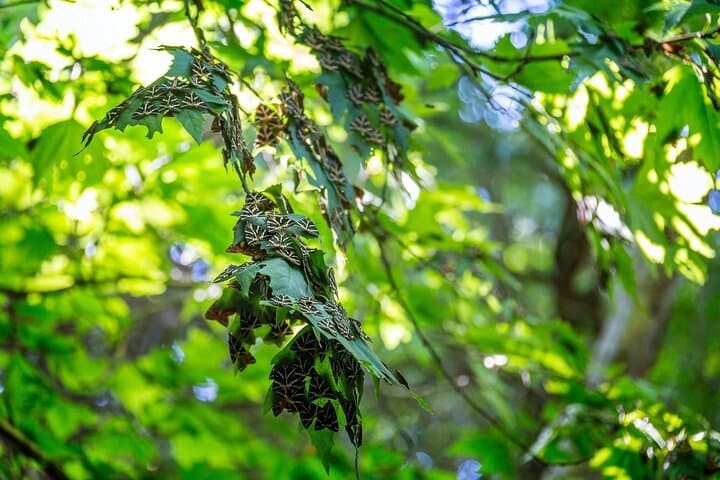
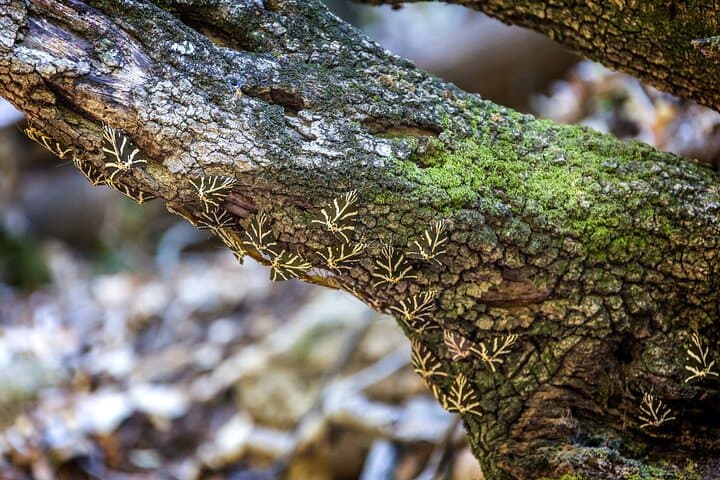
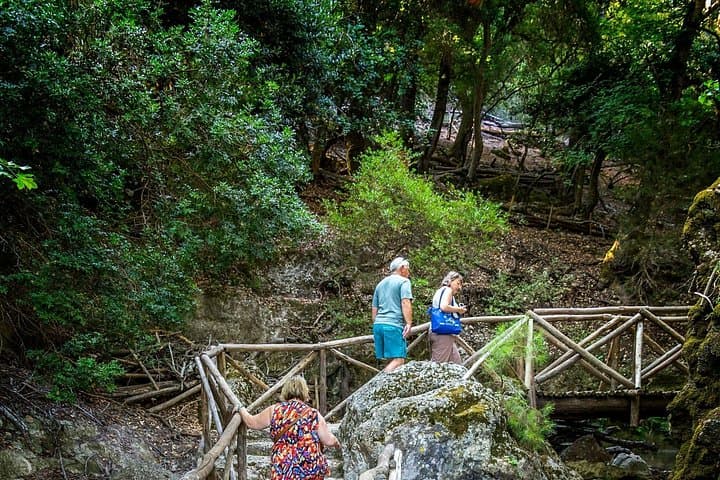
A warm sea breeze meets pine-scented air as the coach threads west along Rhodes’ quieter coast. The valley’s shaded paths open into a green bowl where hundreds of Callimorpha butterflies cluster on plane trees, their wings flicking like pages in a slow book. Later the stones of Kamiros lay out a disciplined street plan in the sun, and the mountain villages of Embona and Siana sit above olive terraces, offering narrow lanes, taverna aromas and unexpected viewpoints.
Verified experiences and guided adventures in the surrounding area.
Operated by Destination Services Greece · Rhodes, South Aegean
A warm sea breeze meets pine-scented air as the coach threads west along Rhodes’ quieter coast. The valley’s shaded paths open into a green bowl where hundreds of Callimorpha butterflies cluster on plane trees, their wings flicking like pages in a slow book. Later the stones of Kamiros lay out a disciplined street plan in the sun, and the mountain villages of Embona and Siana sit above olive terraces, offering narrow lanes, taverna aromas and unexpected viewpoints.
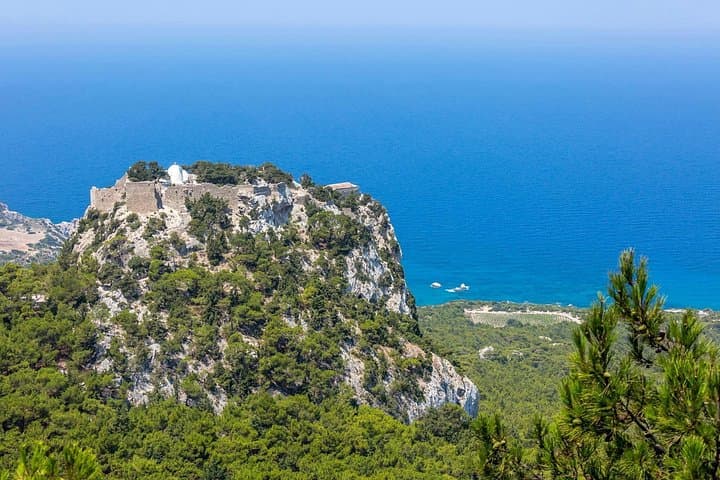
Geology here is limestone and fractured schist—terrain cut by ancient water channels that fed cisterns and aqueducts in classical times. Kamiros, a 5th-century BC foundation, displays a practical urbanism: cistern networks, workshops and a visible agora that reveal daily life rather than just monuments. Embona’s vineyards and pine-clad slopes reflect centuries of pastoral and agricultural practice; Siana clings to Akramitis’ lower flanks and preserves traditional ceramics and village cafés.
Practical guidance: the tour is full-day (about 8 hours) with walking on uneven paths—sturdy shoes and sun protection are essential. Peak butterfly season runs June–September; mornings are cooler and quieter for wildlife viewing. Carry water (refill where available), and keep to marked trails to protect fragile habitats and archaeological remains. Photography is welcome but avoid touching insect clusters. Expect brief guided stops with time for independent lunch in Embona and short walking tours at each site. The experience pairs natural spectacle with readable history—a practical, sensory day for travelers who want both wildlife and ruins without a strenuous itinerary.
easy.
8 hours.
Suitable for most fitness levels; requires standing and short walks over uneven ground.
Butterflies are most reliably present June–September; mornings are best when the air is cooler and the insects are more active.
The tour provides a 3D app for Kamiros but standard admission fees to archaeological sites are usually not included—confirm at booking.
The itinerary is rated easy but includes uneven paths and steps; children are welcome but infants should sit on laps, and limited mobility might make some stops difficult.
Lunch is not included; the tour allows free time in Embona to choose from local tavernas and cafés.
Kamiros was an organized 5th-century BC city noted for its cisterns and grid-like streets; the ruins reveal daily life through preserved water systems and workshops.
The valley’s butterfly populations are sensitive to disturbance—stick to paths, avoid handling insects, and follow local signage to minimize impact.
Destination Services Greece operates guided outdoor trips and adventures with an emphasis on safety, stewardship, and memorable experiences.
A warm sea breeze meets pine-scented air as the coach threads west along Rhodes’ quieter coast. The valley’s shaded paths open into a green bowl where hundreds of Callimorpha butterflies cluster on plane trees, their wings flicking like pages in a slow book. Later the stones of Kamiros lay out a disciplined street plan in the sun, and the mountain villages of Embona and Siana sit above olive terraces, offering narrow lanes, taverna aromas and unexpected viewpoints.
A warm sea breeze meets pine-scented air as the coach threads west along Rhodes’ quieter coast. The valley’s shaded paths open into a green bowl where hundreds of Callimorpha butterflies cluster on plane trees, their wings flicking like pages in a slow book. Later the stones of Kamiros lay out a disciplined street plan in the sun, and the mountain villages of Embona and Siana sit above olive terraces, offering narrow lanes, taverna aromas and unexpected viewpoints.
Geology here is limestone and fractured schist—terrain cut by ancient water channels that fed cisterns and aqueducts in classical times. Kamiros, a 5th-century BC foundation, displays a practical urbanism: cistern networks, workshops and a visible agora that reveal daily life rather than just monuments. Embona’s vineyards and pine-clad slopes reflect centuries of pastoral and agricultural practice; Siana clings to Akramitis’ lower flanks and preserves traditional ceramics and village cafés.
Practical guidance: the tour is full-day (about 8 hours) with walking on uneven paths—sturdy shoes and sun protection are essential. Peak butterfly season runs June–September; mornings are cooler and quieter for wildlife viewing. Carry water (refill where available), and keep to marked trails to protect fragile habitats and archaeological remains. Photography is welcome but avoid touching insect clusters. Expect brief guided stops with time for independent lunch in Embona and short walking tours at each site. The experience pairs natural spectacle with readable history—a practical, sensory day for travelers who want both wildlife and ruins without a strenuous itinerary.