THE ADVENTURE COLLECTIVE® · Independent discovery and booking for outdoor travel

Move through western Bhutan’s folded valleys and fortress-temples on a seven-day cultural circuit from Paro to Thimphu with a hike to Tiger’s Nest. Expect dzongs, craft workshops, and steep, scenic trails paired with comfortable transport and local guides.
Move through western Bhutan’s folded valleys and fortress-temples on a seven-day cultural circuit from Paro to Thimphu with a hike to Tiger’s Nest. Expect dzongs, craft workshops, and steep, scenic trails paired with comfortable transport and local guides.
A low sun pours onto terraced fields as the minivan threads Paro valley, prayer flags snapping like small flags of motion. Travelers arrive at a wide Himalayan bowl where stone dzongs perch above rivers and pine-scented ridgelines frame the sky. Over seven days this itinerary moves from airport pickup through Paro and Thimphu to Punakha and a hike to Taktsang (Tiger’s Nest).
Verified experiences and guided adventures in the surrounding area.
Operated by Himalayan Social Journey · Paro, Paro District
A low sun pours onto terraced fields as the minivan threads Paro valley, prayer flags snapping like small flags of motion. Travelers arrive at a wide Himalayan bowl where stone dzongs perch above rivers and pine-scented ridgelines frame the sky. Over seven days this itinerary moves from airport pickup through Paro and Thimphu to Punakha and a hike to Taktsang (Tiger’s Nest).
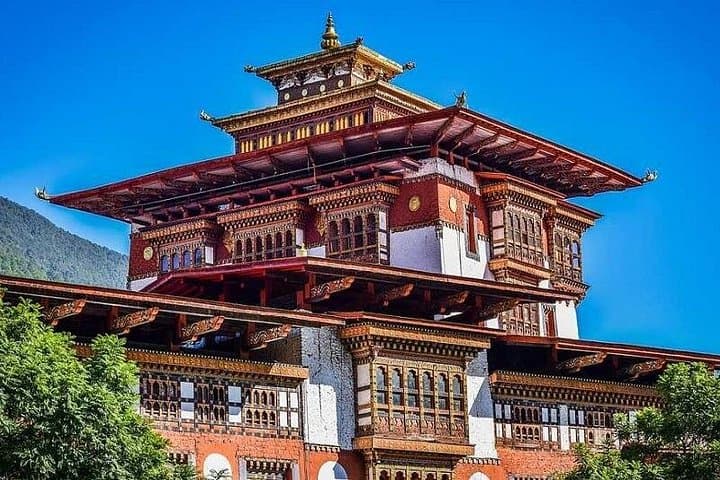
Bhutan’s western valleys are carved by young Himalayan rivers and held by fortress-temples built from the 17th century onward. Dzongs—both administrative hub and monastery—anchor towns like Paro and Thimphu; Taktsang clings to a cliff, legendary as Guru Rinpoche’s meditation site. The geology here is steep: narrow river gorges, metamorphic bedrock, and quick elevation changes that shape routes between cultural sites.
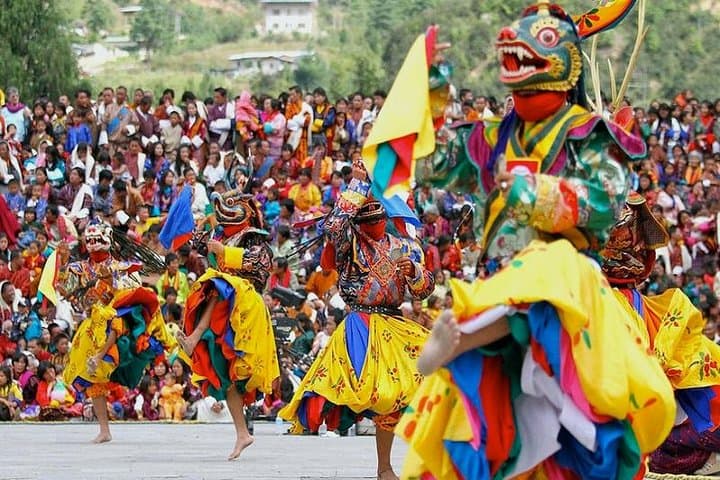
Cultural life is visible in markets and crafts: handmade paper and thangka painting persist alongside government institutions housed in fortified dzongs. Local festivals (tshechu) animate courtyards with masked dance; small family-run workshops preserve weaving and woodcarving.
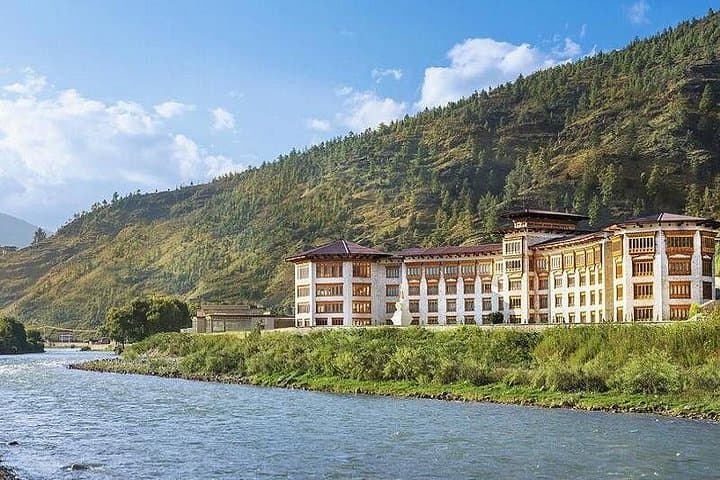
Practical guidance: expect comfortable hotels (three-star twin share), six breakfasts, lunches and dinners, and van transfers within Bhutan. One day includes a 3–4 hour round-trip hike to Tiger’s Nest—moderate fitness recommended, with rocky uphill trails and steep steps. Carry layers, sun protection, and cash for small purchases; altitude and weather can change fast so plan for mornings and afternoons as best windows for sightlines. Respect monastery etiquette, allow time for slow movement between sites, and factor in short drives over mountain passes when organizing your days.
moderate.
7 days.
Should be comfortable walking 2–4 hours on hilly trails and able to handle short steep sections; generally accessible for average fitness levels.
Most visitors need a visa arranged through a licensed operator; this tour operator manages required permits as part of the booking process.
The hike is moderately strenuous—about 2–4 hours round trip depending on pace, with steep stone steps; bring good footwear and allow time for rest stops.
Yes—this tour includes accommodation at three-star standard hotels on twin sharing basis and six breakfasts, lunches and dinners as listed in the itinerary.
The tour lists wheelchair accessibility for some elements, but the Tiger’s Nest hike and some dzong visits involve steps and uneven terrain; check specifics with the operator before booking.
Western Bhutan’s dzongs date largely from the 17th century and function as combined administrative and monastic centers; Taktsang is associated with Guru Rinpoche’s 8th-century visit in local lore.
Bhutan emphasizes high-value, low-impact tourism and strict environmental protections; visitors should follow guidelines on waste, photography restrictions in temples, and avoid disturbing wildlife.
Himalayan Social Journey operates guided outdoor trips and adventures with an emphasis on safety, stewardship, and memorable experiences.
A low sun pours onto terraced fields as the minivan threads Paro valley, prayer flags snapping like small flags of motion. Travelers arrive at a wide Himalayan bowl where stone dzongs perch above rivers and pine-scented ridgelines frame the sky. Over seven days this itinerary moves from airport pickup through Paro and Thimphu to Punakha and a hike to Taktsang (Tiger’s Nest).
A low sun pours onto terraced fields as the minivan threads Paro valley, prayer flags snapping like small flags of motion. Travelers arrive at a wide Himalayan bowl where stone dzongs perch above rivers and pine-scented ridgelines frame the sky. Over seven days this itinerary moves from airport pickup through Paro and Thimphu to Punakha and a hike to Taktsang (Tiger’s Nest).
Bhutan’s western valleys are carved by young Himalayan rivers and held by fortress-temples built from the 17th century onward. Dzongs—both administrative hub and monastery—anchor towns like Paro and Thimphu; Taktsang clings to a cliff, legendary as Guru Rinpoche’s meditation site. The geology here is steep: narrow river gorges, metamorphic bedrock, and quick elevation changes that shape routes between cultural sites.
Cultural life is visible in markets and crafts: handmade paper and thangka painting persist alongside government institutions housed in fortified dzongs. Local festivals (tshechu) animate courtyards with masked dance; small family-run workshops preserve weaving and woodcarving.
Practical guidance: expect comfortable hotels (three-star twin share), six breakfasts, lunches and dinners, and van transfers within Bhutan. One day includes a 3–4 hour round-trip hike to Tiger’s Nest—moderate fitness recommended, with rocky uphill trails and steep steps. Carry layers, sun protection, and cash for small purchases; altitude and weather can change fast so plan for mornings and afternoons as best windows for sightlines. Respect monastery etiquette, allow time for slow movement between sites, and factor in short drives over mountain passes when organizing your days.