THE ADVENTURE COLLECTIVE® · Independent discovery and booking for outdoor travel

Spend a day moving from mountain lakes and coffee plantations to UNESCO-listed rice terraces and a sea-sculpted temple at sunset. This guided tour blends geology, living irrigation systems, and Balinese temple culture into a single, photo-ready itinerary.
Spend a day moving from mountain lakes and coffee plantations to UNESCO-listed rice terraces and a sea-sculpted temple at sunset. This guided tour blends geology, living irrigation systems, and Balinese temple culture into a single, photo-ready itinerary.
You step out of the minivan to cool, misted air and the wide slope of rice paddies dropping away like green steps—water channels catching the sky and guiding your eye toward distant hills. The day moves deliberately: a coffee plantation bright with citrusy beans, Handara’s towering split gate framing distant jungle, the mirror calm of Ulun Danu Beratan on a volcanic lake, then the endless terraces of Jatiluwih, where the Subak irrigation system still coaxes water along stone rills.
Verified experiences and guided adventures in the surrounding area.
Operated by Hidden Bali Tours · Tabanan, Bali
You step out of the minivan to cool, misted air and the wide slope of rice paddies dropping away like green steps—water channels catching the sky and guiding your eye toward distant hills. The day moves deliberately: a coffee plantation bright with citrusy beans, Handara’s towering split gate framing distant jungle, the mirror calm of Ulun Danu Beratan on a volcanic lake, then the endless terraces of Jatiluwih, where the Subak irrigation system still coaxes water along stone rills.
These sites span centuries of Balinese Hindu practice and volcanic geology. Mount Batukaru’s basalt beds and the highland lakes fed rice production and temple rituals; Tanah Lot, a temple perched on a sea-worn rock, has been a coastal pilgrimage and sunset marker for generations. Local culture here is visible in ritual offerings, temple architecture, and the slower tempo of farmers replanting paddies by hand.
Practically, expect a full day (about 10 hours) of short walks, many photo stops, and temple etiquette: shoulders and knees covered, quiet respect during ceremonies. Wear grippy shoes for stepped terraces, bring a light rain layer during wet months, and plan to time Tanah Lot for sunset—tides and evening light change the scene dramatically. The tour includes lunch with rice-field views and bottled water; bring any personal snacks, a reusable bottle, and a small daypack. With a guide handling logistics, this route is an efficient way to see western Bali’s culture, landscape engineering, and shoreline drama in one day.
easy.
10 hours.
Light walking ability; comfortable standing and brief hikes over uneven surfaces.
Pickup times vary by hotel location; the tour lists hotel pickup (Seminyak and nearby areas) and your confirmation will state the pickup time and exact meeting spot.
Yes—admissions noted in the itinerary and a traditional Balinese lunch overlooking Jatiluwih are included in the tour price.
See previous answer
Temples require modest dress (shoulders and knees covered). Guides typically provide or arrange sarongs if needed, but bringing your own cover is recommended.
The Subak irrigation system and associated temples grew from communal agrarian governance dating back centuries; the landscape around Jatiluwih is part of Bali’s UNESCO cultural landscape recognition.
Respect rice fields and footpaths to avoid trampling terraces; the tour contributes 2% to an environmental initiative—support local recycling and minimize single-use plastics.
Hidden Bali Tours operates guided outdoor trips and adventures with an emphasis on safety, stewardship, and memorable experiences.
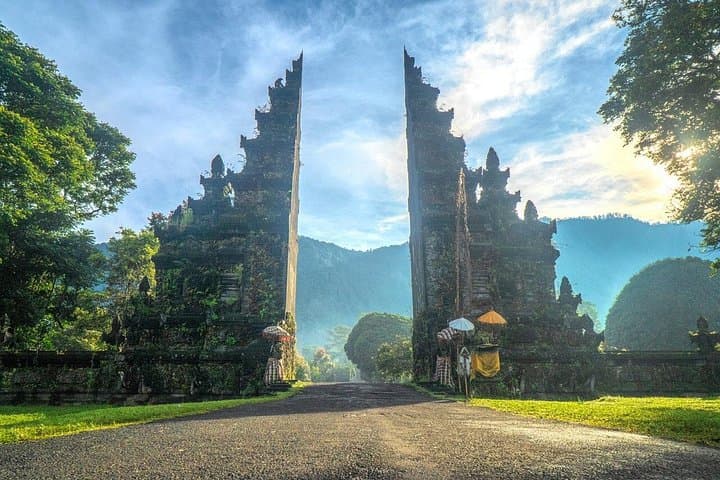
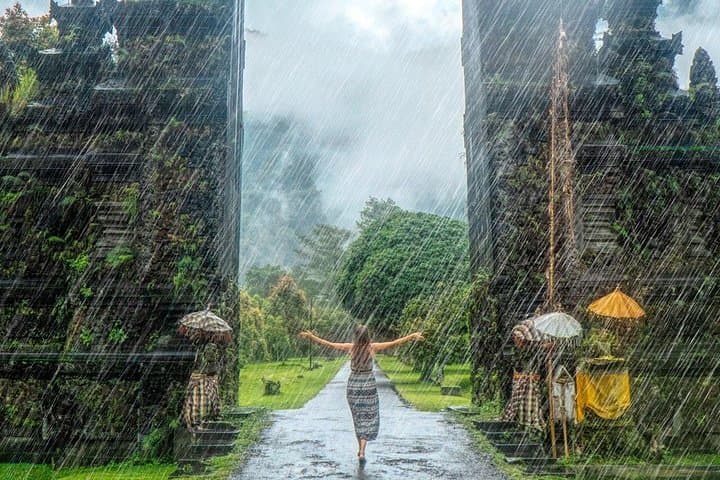
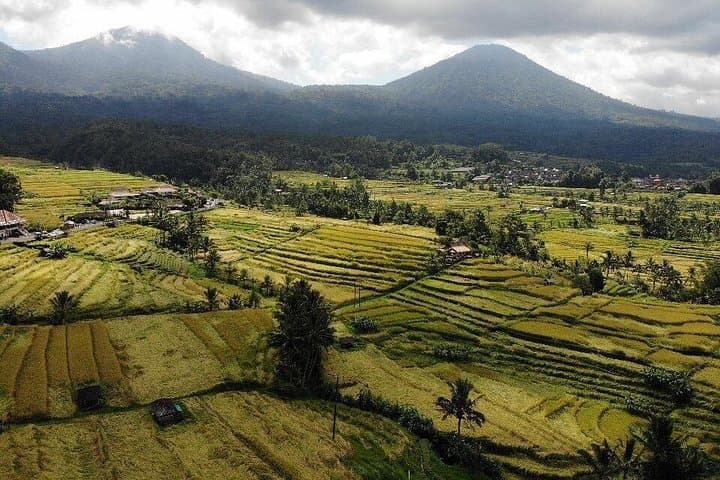
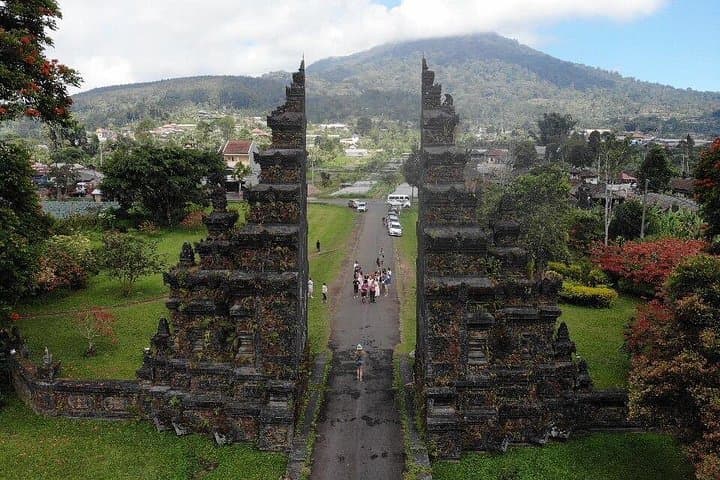
You step out of the minivan to cool, misted air and the wide slope of rice paddies dropping away like green steps—water channels catching the sky and guiding your eye toward distant hills. The day moves deliberately: a coffee plantation bright with citrusy beans, Handara’s towering split gate framing distant jungle, the mirror calm of Ulun Danu Beratan on a volcanic lake, then the endless terraces of Jatiluwih, where the Subak irrigation system still coaxes water along stone rills.
You step out of the minivan to cool, misted air and the wide slope of rice paddies dropping away like green steps—water channels catching the sky and guiding your eye toward distant hills. The day moves deliberately: a coffee plantation bright with citrusy beans, Handara’s towering split gate framing distant jungle, the mirror calm of Ulun Danu Beratan on a volcanic lake, then the endless terraces of Jatiluwih, where the Subak irrigation system still coaxes water along stone rills.
These sites span centuries of Balinese Hindu practice and volcanic geology. Mount Batukaru’s basalt beds and the highland lakes fed rice production and temple rituals; Tanah Lot, a temple perched on a sea-worn rock, has been a coastal pilgrimage and sunset marker for generations. Local culture here is visible in ritual offerings, temple architecture, and the slower tempo of farmers replanting paddies by hand.
Practically, expect a full day (about 10 hours) of short walks, many photo stops, and temple etiquette: shoulders and knees covered, quiet respect during ceremonies. Wear grippy shoes for stepped terraces, bring a light rain layer during wet months, and plan to time Tanah Lot for sunset—tides and evening light change the scene dramatically. The tour includes lunch with rice-field views and bottled water; bring any personal snacks, a reusable bottle, and a small daypack. With a guide handling logistics, this route is an efficient way to see western Bali’s culture, landscape engineering, and shoreline drama in one day.