THE ADVENTURE COLLECTIVE® · Independent discovery and booking for outdoor travel

Spend a long day crossing the western Algarve by coach, from Silves’s red castle to the windswept summit of Foia, the mountain town of Monchique, the historic port of Lagos, and dramatic Cape St. Vincent. This guided loop combines geology, maritime history and accessible short walks.
Spend a long day crossing the western Algarve by coach, from Silves’s red castle to the windswept summit of Foia, the mountain town of Monchique, the historic port of Lagos, and dramatic Cape St. Vincent. This guided loop combines geology, maritime history and accessible short walks.
A cool morning in Albufeira, the bus eases away from the coast and the Algarve’s light opens in tiers: terraced citrus groves, the rounded silhouette of Monchique, and finally the exposed granite of Foia. Travelers step down at Silves first, where the castle’s ochre walls hold the dry, sunbaked scent of centuries and the river below dares you to trace the old trading route with your eyes.
Verified experiences and guided adventures in the surrounding area.
Operated by Magnibravura · Albufeira, Faro District
A cool morning in Albufeira, the bus eases away from the coast and the Algarve’s light opens in tiers: terraced citrus groves, the rounded silhouette of Monchique, and finally the exposed granite of Foia. Travelers step down at Silves first, where the castle’s ochre walls hold the dry, sunbaked scent of centuries and the river below dares you to trace the old trading route with your eyes.
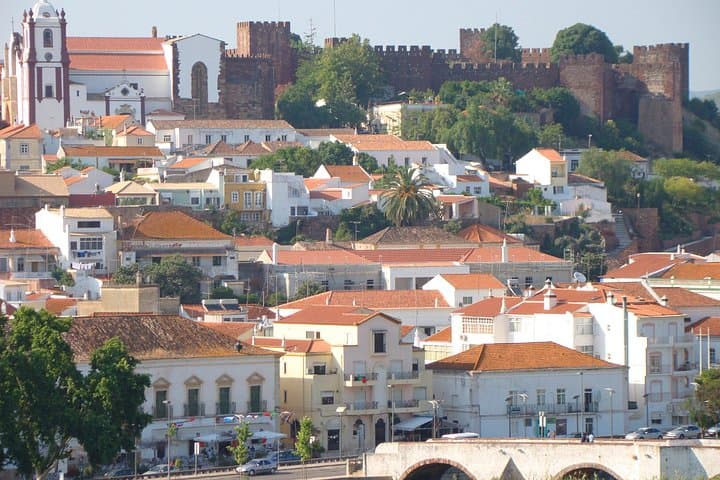
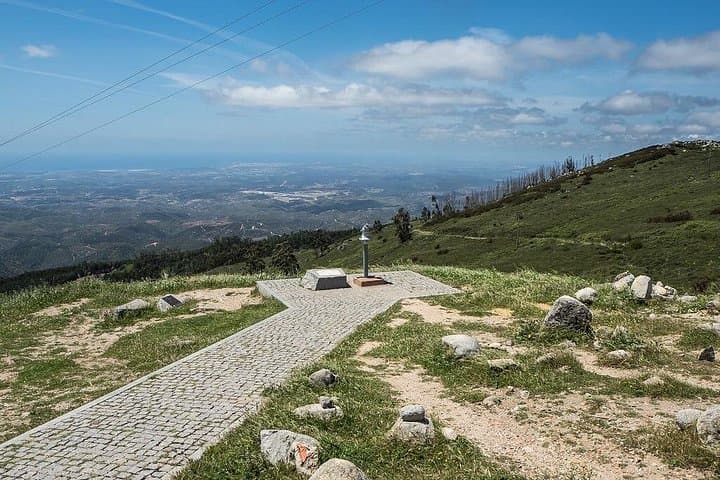
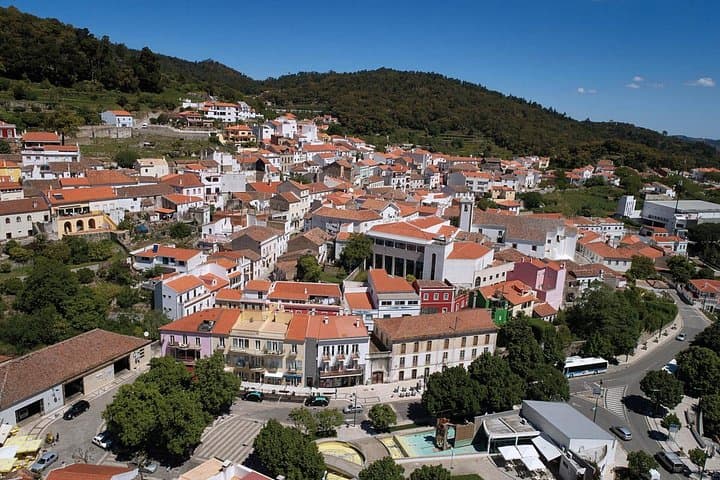
Silves was a Moorish stronghold; its red sandstone keep and Gothic cathedral record waves of occupation that shaped the region’s language and architecture. Foia, at 902 m, is the Algarve’s highest viewpoint — a wind-worked summit that reveals how the Serra de Monchique’s ancient granite contrasts with the limestone and sandstones nearer the coast. Monchique town preserves a working rural culture: herbal liqueurs, crafts, and narrow streets that climb under chestnut and eucalyptus.
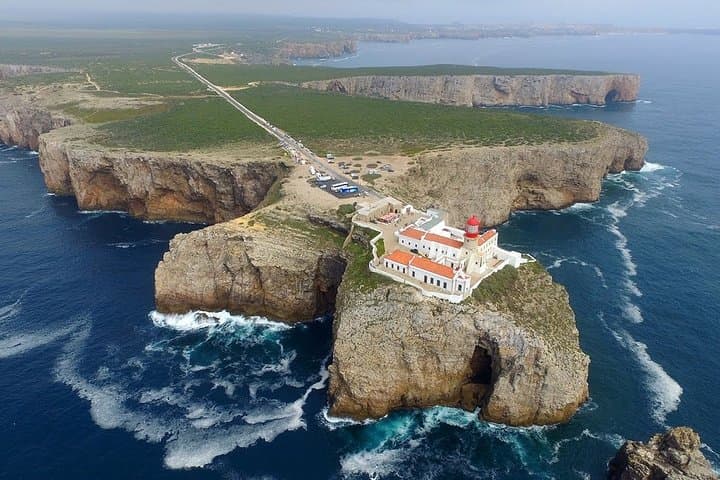
In Lagos the old port’s layered history shows in cobbled plazas, 15th-century walls and seafood markets; the coast’s cliffs reappear at Cape St. Vincent, where Atlantic swell and sheer rock meet in dramatic, exposed panorama.
Practical guidance: the full loop runs about 10–11 hours with multiple short stops and one-hour visits in Silves, Monchique and Lagos; pack sun protection, a light wind layer for Foia, comfortable shoes for short walks, and water. Expect accessible coach pick-up, restroom breaks, and a steady itinerary suited to mixed fitness levels. Time your camera for late-afternoon light at Cape St. Vincent — the cliffs reward the patient observer.
easy.
10–11 hours.
Suitable for most fitness levels; requires ability to walk short distances and stand during guided stops.
The tour lasts about 10–11 hours and includes Silves, Foia (highest point in the Algarve), Monchique, Lagos, and Cape St. Vincent with scheduled stop times at each.
The itinerary is described as physically easy with coach pick-up and accessible transportation; however, some short walks include uneven ground—check pickup logistics and accessibility when booking.
Admissions are not included; the tour provides guided time at viewpoints and towns but entry fees to specific monuments are typically paid on site.
The tour includes a lunch stop arrangement but bring snacks and cash; there are restroom breaks in towns, and the coach will stop periodically for facilities.
Silves rose to prominence under Moorish rule as a regional capital; its castle and later Gothic church reflect shifting control between Islamic and Christian kingdoms during the Middle Ages.
The Serra de Monchique and coastal cliffs are ecologically sensitive—stick to marked paths, avoid disturbing vegetation, and carry out litter to reduce fire and erosion risks.
Magnibravura operates guided outdoor trips and adventures with an emphasis on safety, stewardship, and memorable experiences.
A cool morning in Albufeira, the bus eases away from the coast and the Algarve’s light opens in tiers: terraced citrus groves, the rounded silhouette of Monchique, and finally the exposed granite of Foia. Travelers step down at Silves first, where the castle’s ochre walls hold the dry, sunbaked scent of centuries and the river below dares you to trace the old trading route with your eyes.
A cool morning in Albufeira, the bus eases away from the coast and the Algarve’s light opens in tiers: terraced citrus groves, the rounded silhouette of Monchique, and finally the exposed granite of Foia. Travelers step down at Silves first, where the castle’s ochre walls hold the dry, sunbaked scent of centuries and the river below dares you to trace the old trading route with your eyes.
Silves was a Moorish stronghold; its red sandstone keep and Gothic cathedral record waves of occupation that shaped the region’s language and architecture. Foia, at 902 m, is the Algarve’s highest viewpoint — a wind-worked summit that reveals how the Serra de Monchique’s ancient granite contrasts with the limestone and sandstones nearer the coast. Monchique town preserves a working rural culture: herbal liqueurs, crafts, and narrow streets that climb under chestnut and eucalyptus.
In Lagos the old port’s layered history shows in cobbled plazas, 15th-century walls and seafood markets; the coast’s cliffs reappear at Cape St. Vincent, where Atlantic swell and sheer rock meet in dramatic, exposed panorama.
Practical guidance: the full loop runs about 10–11 hours with multiple short stops and one-hour visits in Silves, Monchique and Lagos; pack sun protection, a light wind layer for Foia, comfortable shoes for short walks, and water. Expect accessible coach pick-up, restroom breaks, and a steady itinerary suited to mixed fitness levels. Time your camera for late-afternoon light at Cape St. Vincent — the cliffs reward the patient observer.