THE ADVENTURE COLLECTIVE® · Independent discovery and booking for outdoor travel

Walk the boundary where dunes meet forest on a 90‑minute guided safari in Westenschouwen. Learn to spot red deer and roe deer, hear rutting calls at dusk, and get field‑side ID and natural history from an experienced guide.
Walk the boundary where dunes meet forest on a 90‑minute guided safari in Westenschouwen. Learn to spot red deer and roe deer, hear rutting calls at dusk, and get field‑side ID and natural history from an experienced guide.
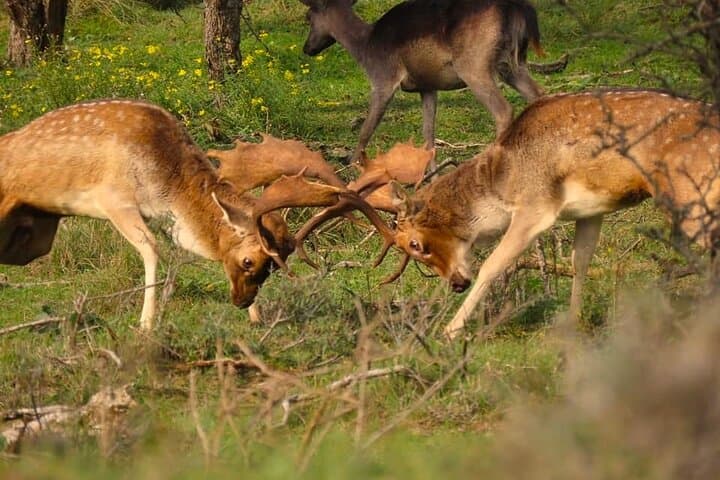
Dawn pushes through the dune hollows and the forest inhales: pine needles crack underfoot, wind sculpts the marram grass, and deep, resonant calls from the deer ripple across the valley between trees and sea. On a guided 90‑minute walk through Boswachterij Westenschouwen, you follow narrow sandy tracks where dunes meet maritime forest, listening for the roar of rutting stags and the sharp alarm calls of roe deer.
Verified experiences and guided adventures in the surrounding area.
Operated by Zeeland guided tours · Burgh-Haamstede, Zeeland
Dawn pushes through the dune hollows and the forest inhales: pine needles crack underfoot, wind sculpts the marram grass, and deep, resonant calls from the deer ripple across the valley between trees and sea. On a guided 90‑minute walk through Boswachterij Westenschouwen, you follow narrow sandy tracks where dunes meet maritime forest, listening for the roar of rutting stags and the sharp alarm calls of roe deer.
The landscape here is young in geological terms — windblown coastal dunes shaped since the last ice age, then stabilized by planting and conservation efforts over the last two centuries. The area’s coastal culture ties fishing villages, wartime defenses and forestry management into a working landscape; visitors will notice old embankments and the tidy lines of conifer plantations beside native oak and beach grass.
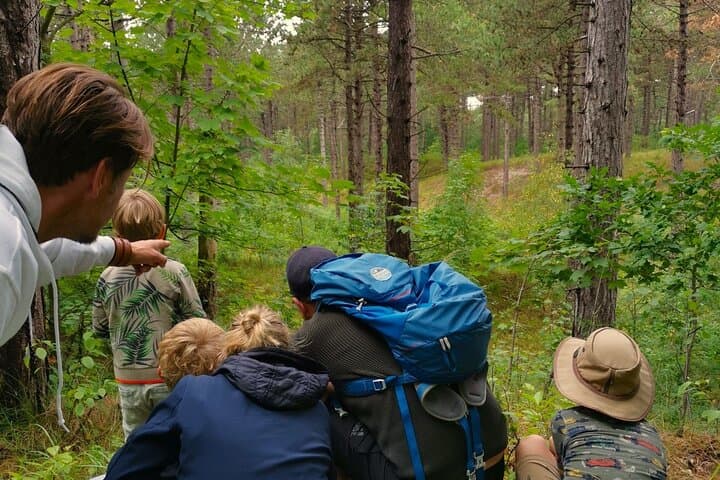
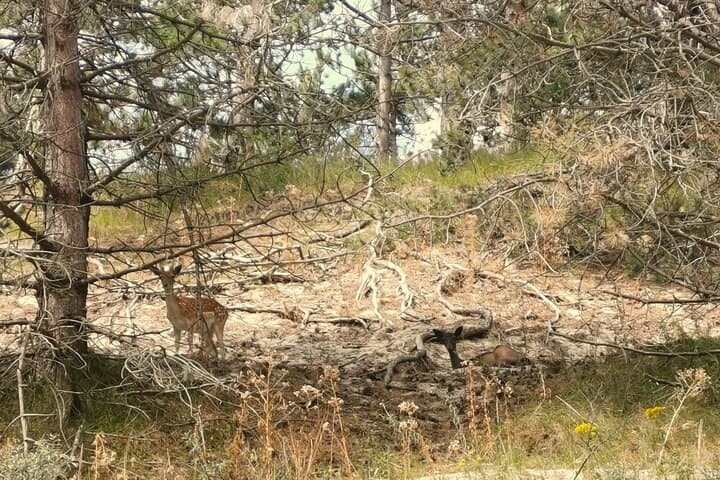
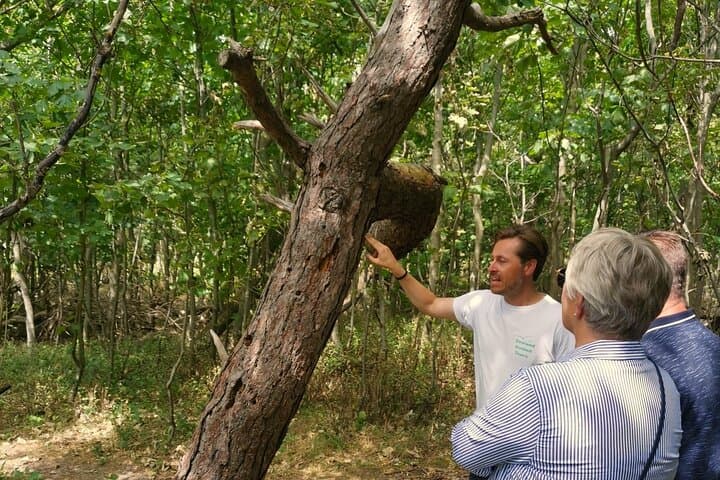
Guides focus on animal behavior and practical field ID: distinguishing red deer from roe deer by size, call and rutting posture; pointing out bat roosts and tiny forest ants carrying disproportionate loads. Wildlife is most active at low light, and the forest itself seems to watch as you pass — currents of wind and scent push and pull the experience.
Practical guidance: arrive with sturdy, waterproof footwear and quiet, layered clothing; binoculars and a small flashlight are useful. Keep to the path, follow the guide’s spacing rules during rutting season, and expect uneven sandy terrain and short climbs over dune ridges. The walk is short but sensory — bring water, dress for wind, and allow an extra half hour for pre‑departure orientation and post‑walk questions with the guide.
moderate.
1.5 hours.
Basic to moderate fitness — able to walk on uneven, sandy trails and short dune slopes for up to 90 minutes.
Rutting for larger deer species typically peaks in the autumn months; guides schedule tours to coincide with peak calling, but times can vary year to year.
Yes — children with moderate mobility can join, but expect unpaved, sandy trails and the need for quiet behavior during wildlife encounters.
Guides emphasize safe, non‑invasive viewing: sightings often occur at a respectful distance; binoculars bring details without disturbing animals.
Service animals are permitted; other dogs depend on operator rules and seasonal restrictions—check before booking and expect leash requirements during breeding and rutting seasons.
Westenschouwen’s dunes and dunes‑forest edge were stabilized and partly afforested in the 19th–20th centuries; the area also bears traces of coastal defense works from the 20th century.
The forest is managed for biodiversity and coastal protection; visitors are asked to stay on paths, keep dogs controlled during breeding season, and follow Leave No Trace practices.
Zeeland guided tours operates guided outdoor trips and adventures with an emphasis on safety, stewardship, and memorable experiences.
Dawn pushes through the dune hollows and the forest inhales: pine needles crack underfoot, wind sculpts the marram grass, and deep, resonant calls from the deer ripple across the valley between trees and sea. On a guided 90‑minute walk through Boswachterij Westenschouwen, you follow narrow sandy tracks where dunes meet maritime forest, listening for the roar of rutting stags and the sharp alarm calls of roe deer.
Dawn pushes through the dune hollows and the forest inhales: pine needles crack underfoot, wind sculpts the marram grass, and deep, resonant calls from the deer ripple across the valley between trees and sea. On a guided 90‑minute walk through Boswachterij Westenschouwen, you follow narrow sandy tracks where dunes meet maritime forest, listening for the roar of rutting stags and the sharp alarm calls of roe deer.
The landscape here is young in geological terms — windblown coastal dunes shaped since the last ice age, then stabilized by planting and conservation efforts over the last two centuries. The area’s coastal culture ties fishing villages, wartime defenses and forestry management into a working landscape; visitors will notice old embankments and the tidy lines of conifer plantations beside native oak and beach grass.
Guides focus on animal behavior and practical field ID: distinguishing red deer from roe deer by size, call and rutting posture; pointing out bat roosts and tiny forest ants carrying disproportionate loads. Wildlife is most active at low light, and the forest itself seems to watch as you pass — currents of wind and scent push and pull the experience.
Practical guidance: arrive with sturdy, waterproof footwear and quiet, layered clothing; binoculars and a small flashlight are useful. Keep to the path, follow the guide’s spacing rules during rutting season, and expect uneven sandy terrain and short climbs over dune ridges. The walk is short but sensory — bring water, dress for wind, and allow an extra half hour for pre‑departure orientation and post‑walk questions with the guide.