THE ADVENTURE COLLECTIVE® · Independent discovery and booking for outdoor travel

Drive west from Doha into a landscape of wind-sculpted limestone, sculptural art installations, and a private museum stuffed with Qatari history. This half-day road trip balances short walks with long desert views—ideal for photographers and curious travelers.
Drive west from Doha into a landscape of wind-sculpted limestone, sculptural art installations, and a private museum stuffed with Qatari history. This half-day road trip balances short walks with long desert views—ideal for photographers and curious travelers.
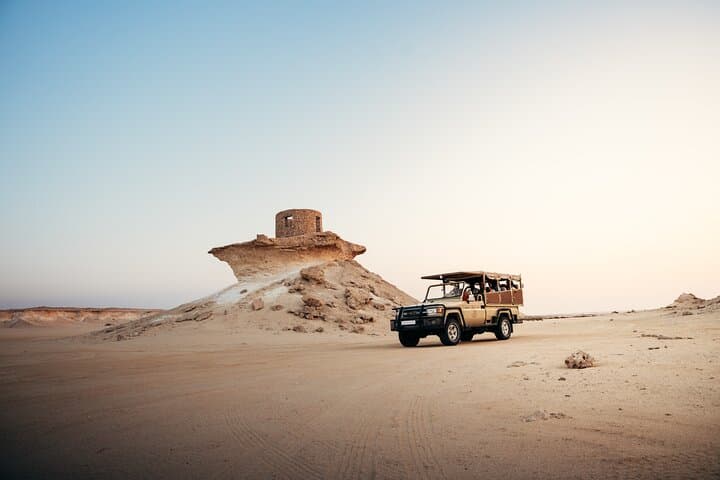
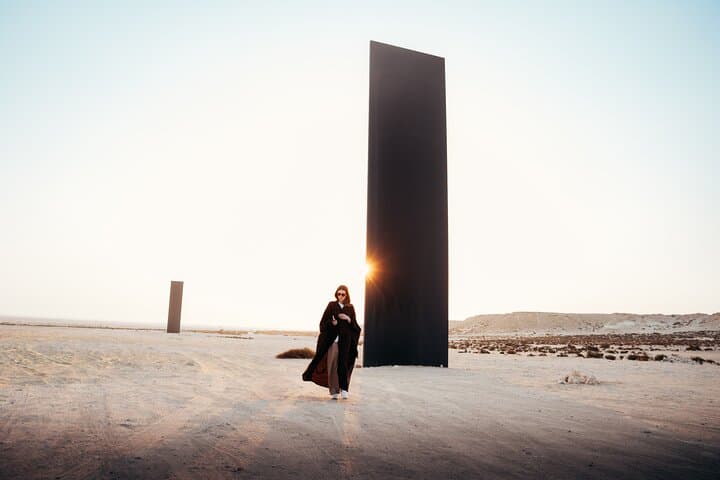
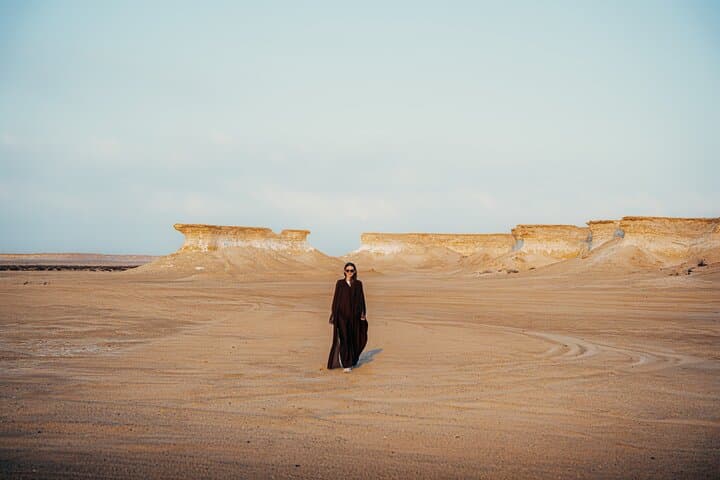
A low-slung tour vehicle cuts across open desert as late afternoon light sharpens the ridges of sand and limestone. Ahead, the Richard Serra sculptures rise like rusted gates planted in the sand; behind them, the coastal plain spills toward the Persian Gulf. The rhythm of the road trip is alternation—brief walks, photo stops, and time to take in how the landscape pushes and resists movement: dunes daring you to climb, limestone plates offering solid footing for short explorations.
Verified experiences and guided adventures in the surrounding area.
Operated by Ultimate Desert Safari Adventure · Doha, Doha
A low-slung tour vehicle cuts across open desert as late afternoon light sharpens the ridges of sand and limestone. Ahead, the Richard Serra sculptures rise like rusted gates planted in the sand; behind them, the coastal plain spills toward the Persian Gulf. The rhythm of the road trip is alternation—brief walks, photo stops, and time to take in how the landscape pushes and resists movement: dunes daring you to climb, limestone plates offering solid footing for short explorations.
This route threads together modern and ancient layers: Sheikh Faisal’s private museum holds long-collected objects that trace local craft, trade, and family history, while coastal Ras Abrouq and the nearby Zekreet Peninsula expose wind-sculpted limestone and fossil-rich beds that reveal a quieter geologic past. Qatar’s Film City—an atmospheric, partly abandoned set—speaks to a recent era of cinematic ambition in an otherwise pastoral stretch of coast.
Wildlife is discreet but present: migratory shorebirds quarter the flats and desert foxes slip between rock outcrops at dusk. Cultural cues are subtle too—small villages and roadside installations where public art meets the horizon.
Practical guidance: plan for a half-day (the standard excursion runs about six hours), and time your visit for early morning or late afternoon to avoid heat and get the best light. Bring sun protection, plenty of water, and closed-toe shoes for uneven limestone and short walks. The trip is largely vehicle-led with short on-foot sections—suitable for most fitness levels—but it’s not recommended for people with serious spinal or cardiovascular issues. Respect fenced sites and local property, and leave no trace: the desert records footprints for a long time.
easy.
6 hours.
Suitable for travelers with basic mobility who can manage short walks on uneven ground; minimal exertion required.
The standard tour runs about six hours, including multiple short stops for museums, sculptures, and coastal walks.
The itinerary uses paved and well-maintained desert tracks; some short dirt sections exist but a regular vehicle on a guided tour is sufficient.
Yes—infants and small children can join; infant seats are available but the tour is not suitable for pregnant travelers or those with serious spinal/cardiac conditions.
Admissions vary by stop; check the booking details—some entries, like the private museum, may be included while others might require separate fees.
This stretch of western Qatar has long been a maritime and trading fringe, with inland settlements and fortifications reflecting centuries of coastal life and tribal connections.
The coastal limestone and dune habitats are fragile; visitors should stick to existing paths, avoid disturbing wildlife, and carry out all trash to minimize impact.
Ultimate Desert Safari Adventure operates guided outdoor trips and adventures with an emphasis on safety, stewardship, and memorable experiences.

A low-slung tour vehicle cuts across open desert as late afternoon light sharpens the ridges of sand and limestone. Ahead, the Richard Serra sculptures rise like rusted gates planted in the sand; behind them, the coastal plain spills toward the Persian Gulf. The rhythm of the road trip is alternation—brief walks, photo stops, and time to take in how the landscape pushes and resists movement: dunes daring you to climb, limestone plates offering solid footing for short explorations.
A low-slung tour vehicle cuts across open desert as late afternoon light sharpens the ridges of sand and limestone. Ahead, the Richard Serra sculptures rise like rusted gates planted in the sand; behind them, the coastal plain spills toward the Persian Gulf. The rhythm of the road trip is alternation—brief walks, photo stops, and time to take in how the landscape pushes and resists movement: dunes daring you to climb, limestone plates offering solid footing for short explorations.
This route threads together modern and ancient layers: Sheikh Faisal’s private museum holds long-collected objects that trace local craft, trade, and family history, while coastal Ras Abrouq and the nearby Zekreet Peninsula expose wind-sculpted limestone and fossil-rich beds that reveal a quieter geologic past. Qatar’s Film City—an atmospheric, partly abandoned set—speaks to a recent era of cinematic ambition in an otherwise pastoral stretch of coast.
Wildlife is discreet but present: migratory shorebirds quarter the flats and desert foxes slip between rock outcrops at dusk. Cultural cues are subtle too—small villages and roadside installations where public art meets the horizon.
Practical guidance: plan for a half-day (the standard excursion runs about six hours), and time your visit for early morning or late afternoon to avoid heat and get the best light. Bring sun protection, plenty of water, and closed-toe shoes for uneven limestone and short walks. The trip is largely vehicle-led with short on-foot sections—suitable for most fitness levels—but it’s not recommended for people with serious spinal or cardiovascular issues. Respect fenced sites and local property, and leave no trace: the desert records footprints for a long time.