THE ADVENTURE COLLECTIVE® · Independent discovery and booking for outdoor travel

Set off from Waianae Harbor on a semi-private Robalo for three hours of whale watching and turtle snorkeling. Small groups, a whale-sighting guarantee in season, and reef-friendly snorkeling make this a focused West Oahu ocean experience.
Set off from Waianae Harbor on a semi-private Robalo for three hours of whale watching and turtle snorkeling. Small groups, a whale-sighting guarantee in season, and reef-friendly snorkeling make this a focused West Oahu ocean experience.
The boat slips loose and the coastline slips open: Waianae Harbor shrinks behind you as the Pacific takes center stage. In winter months the water grows restless with migrating humpbacks, their spouts and tail slaps puncturing the horizon while the Robalo powerboat hums north along basalt cliffs and green slopes. On calm days the sea becomes a gallery of turtles browsing reef gardens just below the surface.
Verified experiences and guided adventures in the surrounding area.
Operated by Aloha Ocean · Waianae, Hawaii
The boat slips loose and the coastline slips open: Waianae Harbor shrinks behind you as the Pacific takes center stage. In winter months the water grows restless with migrating humpbacks, their spouts and tail slaps puncturing the horizon while the Robalo powerboat hums north along basalt cliffs and green slopes. On calm days the sea becomes a gallery of turtles browsing reef gardens just below the surface.
Geology here is blunt and old — the Waianae Range is the eroded remnant of Oahu’s first volcano, its rugged shoulders dropping to reefs that formed on cooled lava flows. Culturally the west shore has a strong local identity: fishing, canoe voyaging, and stories of kahuna (practitioners) link communities to the ocean you travel. Crews on responsible tours follow NOAA guidelines for whale approach distances and emphasize reef-safe behavior when snorkeling.
Practically: tours run about three hours from Waianae Harbor and carry small groups (up to six) to maximize viewing and minimize wake. Peak whale season is December–April; snorkeling for green sea turtles and reef fish is possible year-round when conditions allow. Expect brief zodiac-like transfers onto the water, life jackets provided, and a restroom aboard. Bring reef-safe sunscreen, a light windlayer, and seasickness prevention if you’re sensitive — west-side swells can pick up midday.
Timing matters: morning departures often mean flatter seas and clearer water for snorkel stops, while afternoon runs can offer more active whale surface behavior. Respect the animals, listen to the crew’s safety briefing, and leave the reef in better shape than you found it.
easy.
3 hours.
Suitable for most fitness levels; you should be able to step on/off a small boat and swim short distances for snorkeling.
Humpback whales are most commonly seen from December through April, with peak activity often in January–March.
Yes — snorkeling equipment and life jackets are supplied; bring your own mask if you prefer a personal fit.
The operator guarantees whale sightings during season; if no whales are seen you'll be eligible for a free return trip per the tour policy.
Yes; the trip is marketed as physically easy. Infants must sit on an adult’s lap and life jackets are available; non-swimmers can still enjoy whale watching from the boat.
The Waianae Range is Oahu’s oldest volcanic ridge; communities on the west shore have long relied on fishing and canoe voyaging, linking modern tours to centuries of ocean practice.
Tours follow established approach distances and promote reef-safe sunscreen; limit your footprint by not touching wildlife or coral and by disposing of plastics responsibly.
Aloha Ocean operates guided outdoor trips and adventures with an emphasis on safety, stewardship, and memorable experiences.
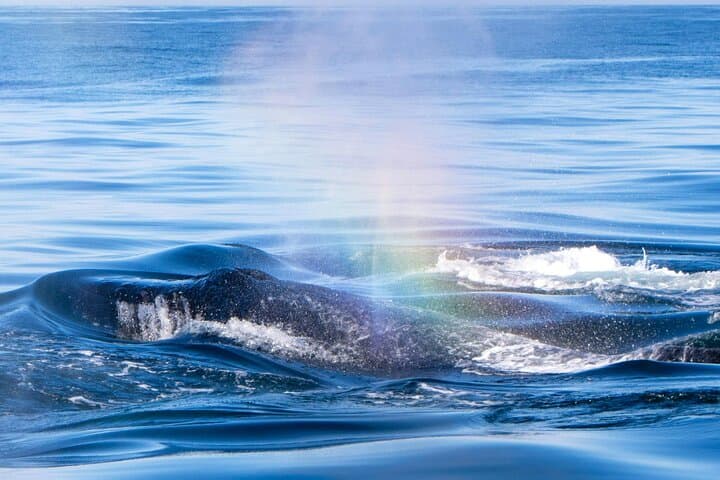
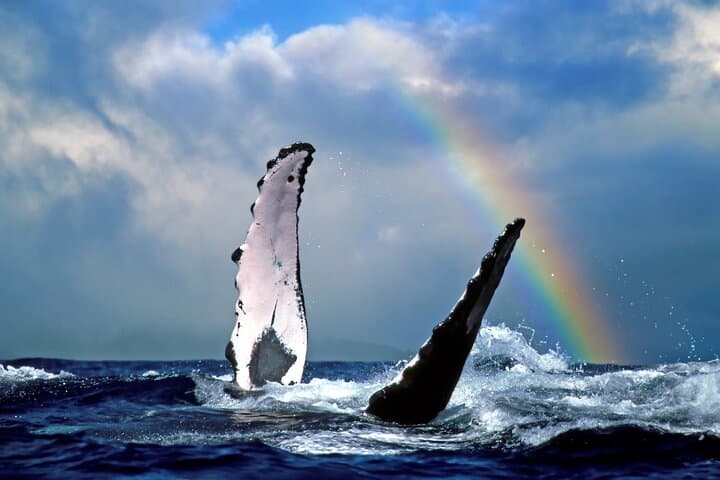
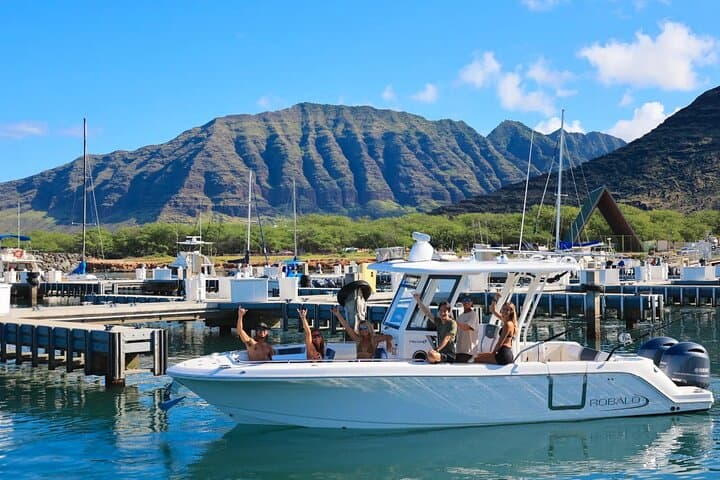
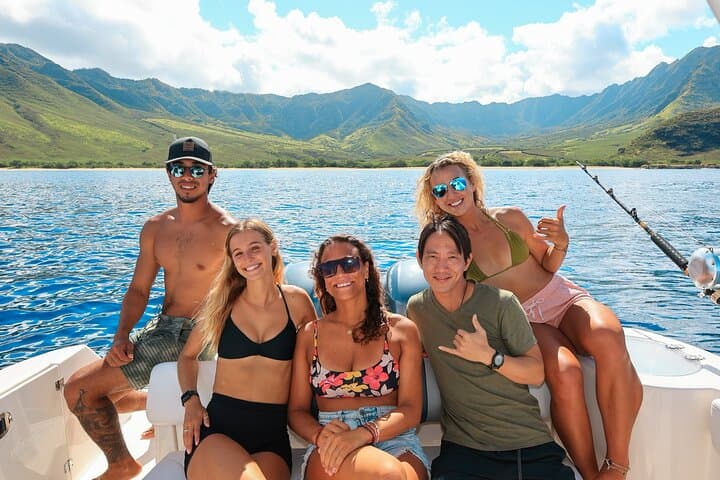
The boat slips loose and the coastline slips open: Waianae Harbor shrinks behind you as the Pacific takes center stage. In winter months the water grows restless with migrating humpbacks, their spouts and tail slaps puncturing the horizon while the Robalo powerboat hums north along basalt cliffs and green slopes. On calm days the sea becomes a gallery of turtles browsing reef gardens just below the surface.
The boat slips loose and the coastline slips open: Waianae Harbor shrinks behind you as the Pacific takes center stage. In winter months the water grows restless with migrating humpbacks, their spouts and tail slaps puncturing the horizon while the Robalo powerboat hums north along basalt cliffs and green slopes. On calm days the sea becomes a gallery of turtles browsing reef gardens just below the surface.
Geology here is blunt and old — the Waianae Range is the eroded remnant of Oahu’s first volcano, its rugged shoulders dropping to reefs that formed on cooled lava flows. Culturally the west shore has a strong local identity: fishing, canoe voyaging, and stories of kahuna (practitioners) link communities to the ocean you travel. Crews on responsible tours follow NOAA guidelines for whale approach distances and emphasize reef-safe behavior when snorkeling.
Practically: tours run about three hours from Waianae Harbor and carry small groups (up to six) to maximize viewing and minimize wake. Peak whale season is December–April; snorkeling for green sea turtles and reef fish is possible year-round when conditions allow. Expect brief zodiac-like transfers onto the water, life jackets provided, and a restroom aboard. Bring reef-safe sunscreen, a light windlayer, and seasickness prevention if you’re sensitive — west-side swells can pick up midday.
Timing matters: morning departures often mean flatter seas and clearer water for snorkel stops, while afternoon runs can offer more active whale surface behavior. Respect the animals, listen to the crew’s safety briefing, and leave the reef in better shape than you found it.