THE ADVENTURE COLLECTIVE® · Independent discovery and booking for outdoor travel

Head west from Ko Olina on a deluxe catamaran to watch migrating humpbacks perform breaches, tail slaps, and spy-hops. This two-hour excursion blends reliable whale-spotting techniques, sheltered viewing options, and a guaranteed-sighting policy for a high-value ocean wildlife experience.
Head west from Ko Olina on a deluxe catamaran to watch migrating humpbacks perform breaches, tail slaps, and spy-hops. This two-hour excursion blends reliable whale-spotting techniques, sheltered viewing options, and a guaranteed-sighting policy for a high-value ocean wildlife experience.
The catamaran eases out of Ko Olina’s dock and the coastline opens into broad Pacific—blue that challenges the sun. Within minutes the harbor’s quiet gives way to the steady rhythm of swell and the sharp exhale of a whale’s blow; bumps and breaches punctuate the horizon as humpbacks pass between deep ocean and the sheltered shallows off West Oahu.
Verified experiences and guided adventures in the surrounding area.
Operated by Hawaii Nautical · Kapolei, Hawaii
The catamaran eases out of Ko Olina’s dock and the coastline opens into broad Pacific—blue that challenges the sun. Within minutes the harbor’s quiet gives way to the steady rhythm of swell and the sharp exhale of a whale’s blow; bumps and breaches punctuate the horizon as humpbacks pass between deep ocean and the sheltered shallows off West Oahu.
This stretch of ocean is part of the Hawaiian breeding grounds where North Pacific humpbacks migrate from Alaska each winter. Geologically, you’re passing the Waianae range’s eroded ridgelines—old shield volcano rock dropping into abrupt coastal reefs that shape local currents and feeding pockets. Culturally, whale encounters have long been woven into native Hawaiian respect for moʻolelo (stories) and ocean stewardship; modern operators pair that background with marine safety and spotting technique.
On a two-hour deluxe sail expect a small-group catamaran setup with shaded and open-air seating, restrooms, and a full premium bar. Guides use experience and hydrophones to find pods; the operator guarantees sightings and offers a re-ride if whales aren’t seen. Seas can be calm or chop depending on trade winds—watch for spray and sudden bursts of activity as whales breach, tail-slap, or spy-hop close to the boat.
Practical tips: book morning departures when winds are lighter, bring sun protection and a windproof layer, and consider motion-sickness medication if you’re prone. Cameras with a telephoto lens capture behavior best; keep respect for wildlife front of mind and follow crew instructions for distance and quiet during encounters.
easy.
2 hours.
Suitable for anyone with basic mobility; boarding a catamaran requires stepping over a low rail and standing for short periods.
Humpbacks typically migrate to Hawaiian waters from late December through early May, with peak numbers January through March.
This operator guarantees sightings and offers a re-ride if whales are not observed on your trip—check terms for scheduling the complimentary return.
Crew follow NOAA and local guidelines; boats maintain safe distances and minimize noise—occasionally whales approach voluntarily but the captain controls proximity.
Yes—tours are family-friendly, but infants must sit on an adult’s lap; bring motion-sickness prevention and sun protection for young ones.
The waters off West Oahu have been traversed for centuries by native Hawaiians; whales appear in local oral histories and modern tours often reference that cultural connection.
Respect marine wildlife by following crew instructions and keeping distances; support operators that follow NOAA guidelines and contribute to local marine conservation efforts.
Hawaii Nautical operates guided outdoor trips and adventures with an emphasis on safety, stewardship, and memorable experiences.
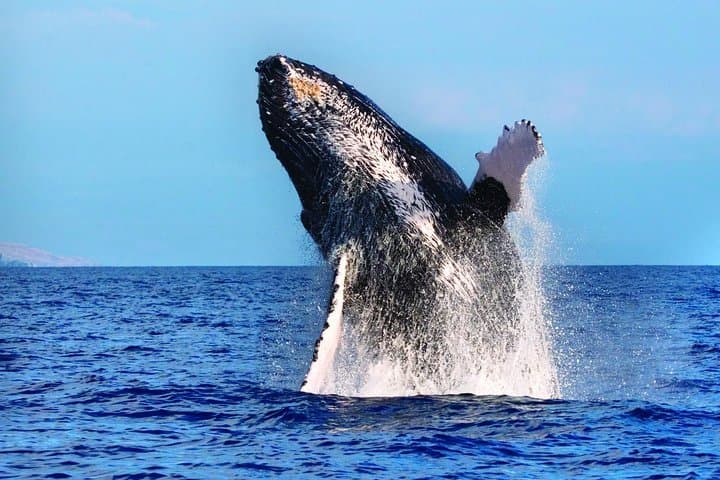
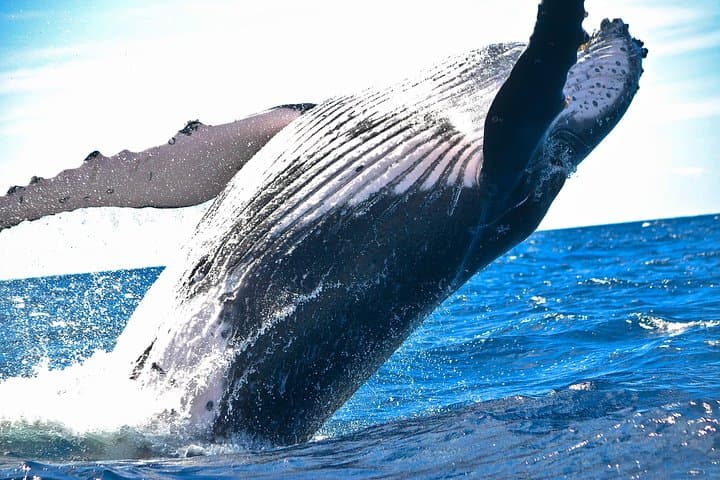
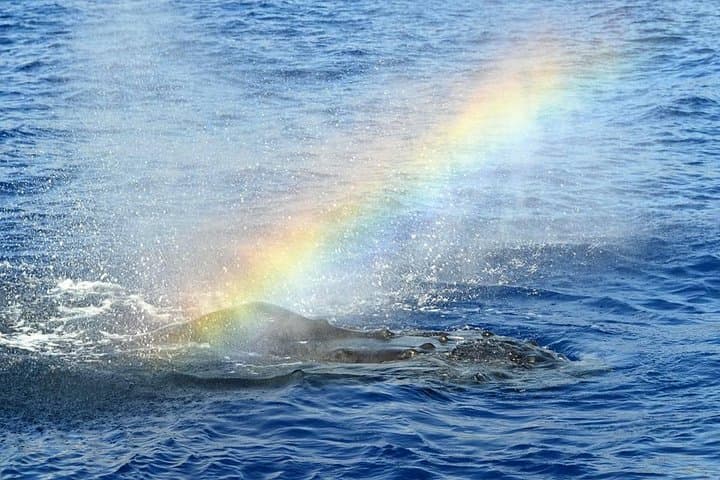
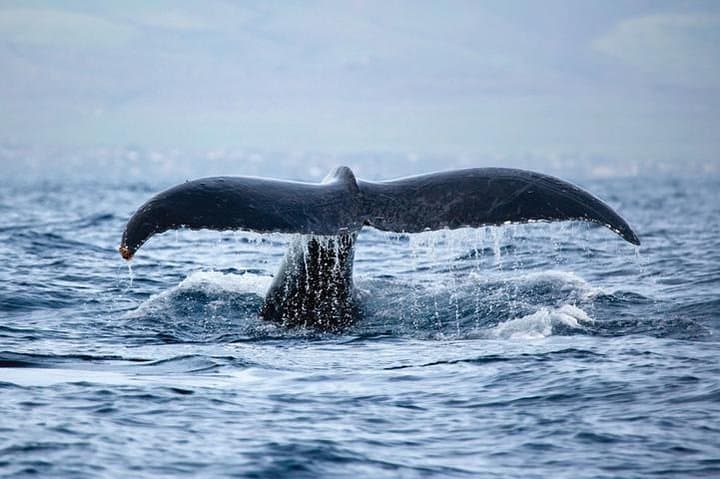
The catamaran eases out of Ko Olina’s dock and the coastline opens into broad Pacific—blue that challenges the sun. Within minutes the harbor’s quiet gives way to the steady rhythm of swell and the sharp exhale of a whale’s blow; bumps and breaches punctuate the horizon as humpbacks pass between deep ocean and the sheltered shallows off West Oahu.
The catamaran eases out of Ko Olina’s dock and the coastline opens into broad Pacific—blue that challenges the sun. Within minutes the harbor’s quiet gives way to the steady rhythm of swell and the sharp exhale of a whale’s blow; bumps and breaches punctuate the horizon as humpbacks pass between deep ocean and the sheltered shallows off West Oahu.
This stretch of ocean is part of the Hawaiian breeding grounds where North Pacific humpbacks migrate from Alaska each winter. Geologically, you’re passing the Waianae range’s eroded ridgelines—old shield volcano rock dropping into abrupt coastal reefs that shape local currents and feeding pockets. Culturally, whale encounters have long been woven into native Hawaiian respect for moʻolelo (stories) and ocean stewardship; modern operators pair that background with marine safety and spotting technique.
On a two-hour deluxe sail expect a small-group catamaran setup with shaded and open-air seating, restrooms, and a full premium bar. Guides use experience and hydrophones to find pods; the operator guarantees sightings and offers a re-ride if whales aren’t seen. Seas can be calm or chop depending on trade winds—watch for spray and sudden bursts of activity as whales breach, tail-slap, or spy-hop close to the boat.
Practical tips: book morning departures when winds are lighter, bring sun protection and a windproof layer, and consider motion-sickness medication if you’re prone. Cameras with a telephoto lens capture behavior best; keep respect for wildlife front of mind and follow crew instructions for distance and quiet during encounters.