THE ADVENTURE COLLECTIVE® · Independent discovery and booking for outdoor travel

A full-day loop from Mytilene across Lesvos’s western coast—visit Vatoussa, climb to the Byzantine Monastery of Ipsilou, explore the Petrified Forest Museum in Sigri, and finish with swimming and tavern food on the beach.
A full-day loop from Mytilene across Lesvos’s western coast—visit Vatoussa, climb to the Byzantine Monastery of Ipsilou, explore the Petrified Forest Museum in Sigri, and finish with swimming and tavern food on the beach.
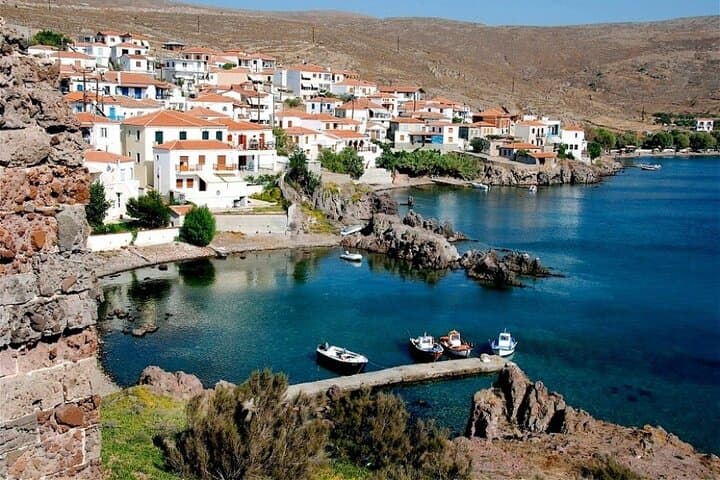
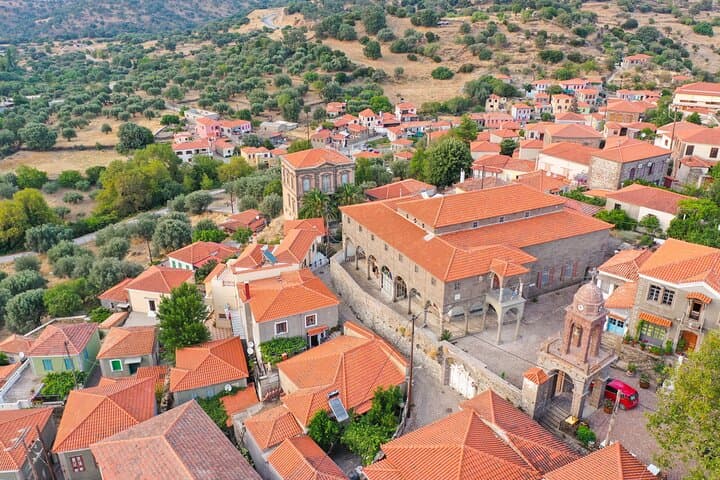
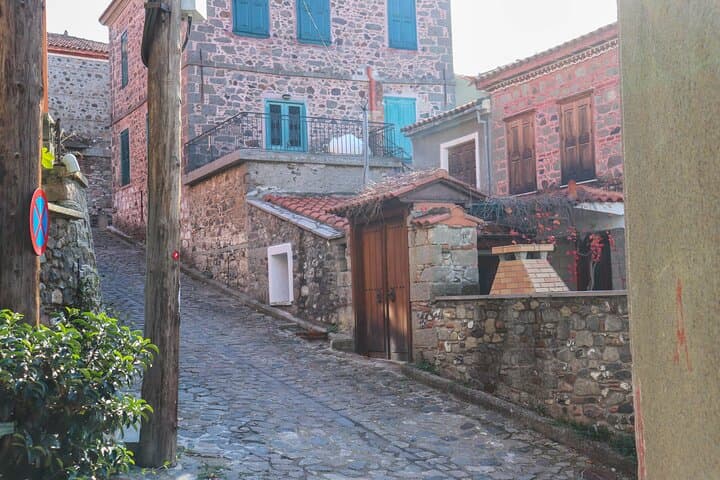
A coach eases out of Mytilene at first light and the island’s western spine unfolds: low ridges, wind-bent pines, and the Aegean daring you to look over its shoulder. The day moves from a village square in Vatoussa—where coffee and sesame pastries are a local ritual—to the thin, high air of Mt. Ordymnos where the Byzantine Monastery of Ipsilou perches at 634 m with views back across olive terraces and sea.
Verified experiences and guided adventures in the surrounding area.
Operated by MTM Experiences · Sigri, Lesvos
A coach eases out of Mytilene at first light and the island’s western spine unfolds: low ridges, wind-bent pines, and the Aegean daring you to look over its shoulder. The day moves from a village square in Vatoussa—where coffee and sesame pastries are a local ritual—to the thin, high air of Mt. Ordymnos where the Byzantine Monastery of Ipsilou perches at 634 m with views back across olive terraces and sea.
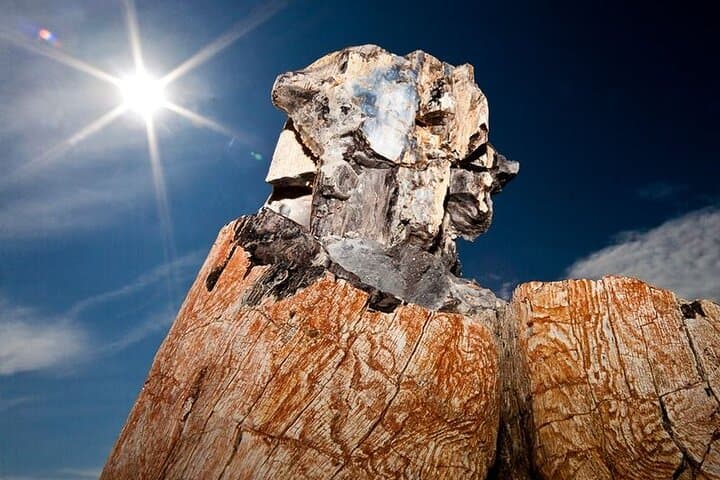
History here is visible: Ipsilou’s origins are traced to the early Byzantine era, and its relics and reliquaries anchor the climb in centuries of island life. Geology takes center stage at the Petrified Forest Museum in Sigri, where fossilized trunks from 20 million years ago sit beside living species under glass-roofed galleries — a clear record of dramatic climate shifts in the Aegean.
Culturally, the west is quieter than eastern Lesvos; taverns in Sigri still sell grilled fish and thick yogurt, and the harbor feels like a place time forgot. The tour typically runs 7–8 hours, mixing short walks, museum time and an afternoon for swimming on Sigri’s sandy beach.
Practical edge: wear sturdy shoes for monastery steps and museum paths, bring swimwear and cash for small taverns, and pack sunscreen — western Lesvos is exposed and windy. Respect the monastery dress code, follow museum rules, and allow time to breathe in the views: the walkways and shorelines give a tidy sample of an island shaped by rock, sea and centuries of human presence.
easy.
7–8 hours.
Suitable for most fitness levels—bus transfers reduce walking, but expect short steep steps at the monastery and brief museum strolls.
Admission to the Petrified Forest Museum is not included; check opening hours and bring cash or card for tickets.
Yes—there is scheduled free time in Sigri for swimming and sunbathing on the village beach.
The monastery sits at 634 m and requires negotiating steps and a short uphill approach, but it’s manageable for most visitors with moderate mobility.
The tour includes pickup/drop-off; confirm your pickup point when booking and allow flexibility for village collection stops.
Ipsilou Monastery dates back to early Byzantine times (traditionally before 800 AD) and holds relics and historical icons tied to island religious life.
The Petrified Forest is a protected geological site—stay on marked paths, don’t remove fossils, and support local conservation efforts by following museum guidelines.
MTM Experiences operates guided outdoor trips and adventures with an emphasis on safety, stewardship, and memorable experiences.
A coach eases out of Mytilene at first light and the island’s western spine unfolds: low ridges, wind-bent pines, and the Aegean daring you to look over its shoulder. The day moves from a village square in Vatoussa—where coffee and sesame pastries are a local ritual—to the thin, high air of Mt. Ordymnos where the Byzantine Monastery of Ipsilou perches at 634 m with views back across olive terraces and sea.
A coach eases out of Mytilene at first light and the island’s western spine unfolds: low ridges, wind-bent pines, and the Aegean daring you to look over its shoulder. The day moves from a village square in Vatoussa—where coffee and sesame pastries are a local ritual—to the thin, high air of Mt. Ordymnos where the Byzantine Monastery of Ipsilou perches at 634 m with views back across olive terraces and sea.
History here is visible: Ipsilou’s origins are traced to the early Byzantine era, and its relics and reliquaries anchor the climb in centuries of island life. Geology takes center stage at the Petrified Forest Museum in Sigri, where fossilized trunks from 20 million years ago sit beside living species under glass-roofed galleries — a clear record of dramatic climate shifts in the Aegean.
Culturally, the west is quieter than eastern Lesvos; taverns in Sigri still sell grilled fish and thick yogurt, and the harbor feels like a place time forgot. The tour typically runs 7–8 hours, mixing short walks, museum time and an afternoon for swimming on Sigri’s sandy beach.
Practical edge: wear sturdy shoes for monastery steps and museum paths, bring swimwear and cash for small taverns, and pack sunscreen — western Lesvos is exposed and windy. Respect the monastery dress code, follow museum rules, and allow time to breathe in the views: the walkways and shorelines give a tidy sample of an island shaped by rock, sea and centuries of human presence.