THE ADVENTURE COLLECTIVE® · Independent discovery and booking for outdoor travel

Ride from West Glacier into Apgar and Fish Creek on paved multi-use paths with lake views and glacial cliffs overhead. This self-guided bike rental includes a helmet and map—plan 5–25 miles of exploring, wildlife awareness, and a full-day rental window.
Ride from West Glacier into Apgar and Fish Creek on paved multi-use paths with lake views and glacial cliffs overhead. This self-guided bike rental includes a helmet and map—plan 5–25 miles of exploring, wildlife awareness, and a full-day rental window.
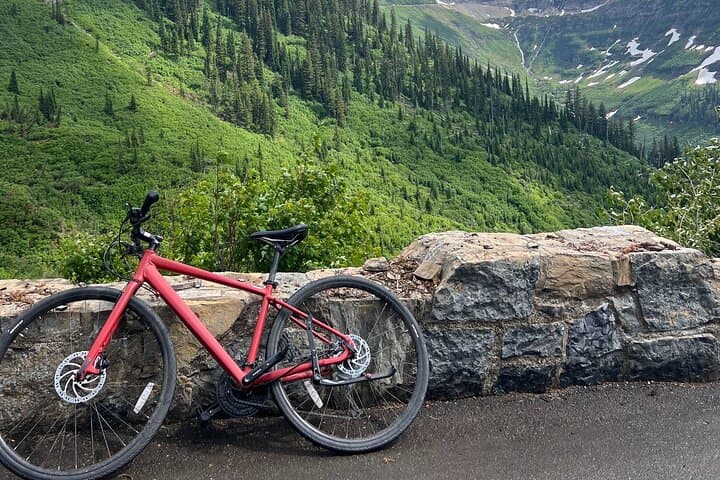
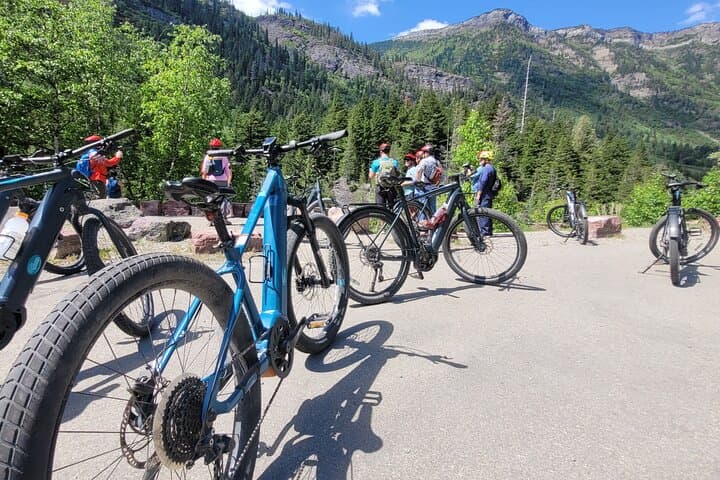
You push off from a bright-blue bike barn beside Hwy 2 and the valley opens: spruce-dark slopes rising to knife-edged ridges, Lake McDonald glinting like a long, glassy river daring you to ride its shore. The path threads through West Glacier toward Apgar and Fish Creek on paved, dedicated bike trails where the air smells of cold water and resin.
Verified experiences and guided adventures in the surrounding area.
Operated by Glacier Guides and Montana Raft · West Glacier, Montana
You push off from a bright-blue bike barn beside Hwy 2 and the valley opens: spruce-dark slopes rising to knife-edged ridges, Lake McDonald glinting like a long, glassy river daring you to ride its shore. The path threads through West Glacier toward Apgar and Fish Creek on paved, dedicated bike trails where the air smells of cold water and resin.
This corridor follows a landscape carved by ice — the Lewis Range and glacier-polished valleys that earned Glacier National Park federal protection in 1910 and a close tie to the Great Northern Railway’s era of explorers. Granite and schist cliffs keep watch while low benches and moraine-made beaches mark the park’s geologic past. Culturally, the region sits on the traditional territory of Salish, Kootenai, and Blackfeet peoples; interpretive signs and local guides will often highlight that connection.
For riders this is straightforward terrain: mostly paved multi-use paths and low-gradient service roads with occasional short climbs if you push toward side trails. Expect 5–25 miles depending on how far you explore; Fish Creek and Apgar Village are common turnarounds. Wildlife — elk grazing near treelines, the distant shuffle of a black bear through alder — is part of the experience; keep distance and pack bear spray if you leave the trail.
Practicalities: check-in at the bike shop for a safety briefing and map, wear a helmet (provided), carry water and layers for alpine winds, and return bikes by closing time. Ride responsibly on shared paths and plan for variable weather—sun can turn to squall in an hour here.
moderate.
3–8 hours.
Suitable for riders with basic cycling fitness; choose shorter loops if you prefer an easy day.
Rental hours vary by season—typically 7:30AM–6PM in spring/summer and 8:30AM–6PM in fall; late returns may be charged another day.
E-bikes are offered but riders must be 18+ for e-bike rentals; confirm availability when booking.
No additional permit is required for riding paved multi-use paths and park roads, but some park areas have vehicle restrictions—check current park notices.
Stop, stay calm, put distance between you and the animal without running, speak calmly, and use bear spray only if the bear approaches aggressively; report sightings to park staff.
The West Glacier corridor grew around the Great Northern Railway stop; Glacier National Park was established in 1910 to protect the ice-carved valleys and unique alpine ecology.
Stick to paved trails and pack out all trash; the park emphasizes bear-aware practices and minimizing human-wildlife interactions to protect sensitive habitats.
Glacier Guides and Montana Raft operates guided outdoor trips and adventures with an emphasis on safety, stewardship, and memorable experiences.


You push off from a bright-blue bike barn beside Hwy 2 and the valley opens: spruce-dark slopes rising to knife-edged ridges, Lake McDonald glinting like a long, glassy river daring you to ride its shore. The path threads through West Glacier toward Apgar and Fish Creek on paved, dedicated bike trails where the air smells of cold water and resin.
You push off from a bright-blue bike barn beside Hwy 2 and the valley opens: spruce-dark slopes rising to knife-edged ridges, Lake McDonald glinting like a long, glassy river daring you to ride its shore. The path threads through West Glacier toward Apgar and Fish Creek on paved, dedicated bike trails where the air smells of cold water and resin.
This corridor follows a landscape carved by ice — the Lewis Range and glacier-polished valleys that earned Glacier National Park federal protection in 1910 and a close tie to the Great Northern Railway’s era of explorers. Granite and schist cliffs keep watch while low benches and moraine-made beaches mark the park’s geologic past. Culturally, the region sits on the traditional territory of Salish, Kootenai, and Blackfeet peoples; interpretive signs and local guides will often highlight that connection.
For riders this is straightforward terrain: mostly paved multi-use paths and low-gradient service roads with occasional short climbs if you push toward side trails. Expect 5–25 miles depending on how far you explore; Fish Creek and Apgar Village are common turnarounds. Wildlife — elk grazing near treelines, the distant shuffle of a black bear through alder — is part of the experience; keep distance and pack bear spray if you leave the trail.
Practicalities: check-in at the bike shop for a safety briefing and map, wear a helmet (provided), carry water and layers for alpine winds, and return bikes by closing time. Ride responsibly on shared paths and plan for variable weather—sun can turn to squall in an hour here.