THE ADVENTURE COLLECTIVE® · Independent discovery and booking for outdoor travel

Drive narrow coastal lanes past granite headlands, film-ready fishing hamlets and the cliff‑carved Minack Theatre on a full-day West Cornwall tour. Expect short walks, tide-aware crossings at St Michael’s Mount, and cinematic scenery that inspired Poldark.
Drive narrow coastal lanes past granite headlands, film-ready fishing hamlets and the cliff‑carved Minack Theatre on a full-day West Cornwall tour. Expect short walks, tide-aware crossings at St Michael’s Mount, and cinematic scenery that inspired Poldark.
The tour begins with salt on the air and a road that hugs the Atlantic — you feel the coast pull at the windows as the guide steers down narrow lanes toward sweeping headlands.
Verified experiences and guided adventures in the surrounding area.
Operated by Meneage Tours · Penzance, Cornwall
The tour begins with salt on the air and a road that hugs the Atlantic — you feel the coast pull at the windows as the guide steers down narrow lanes toward sweeping headlands.
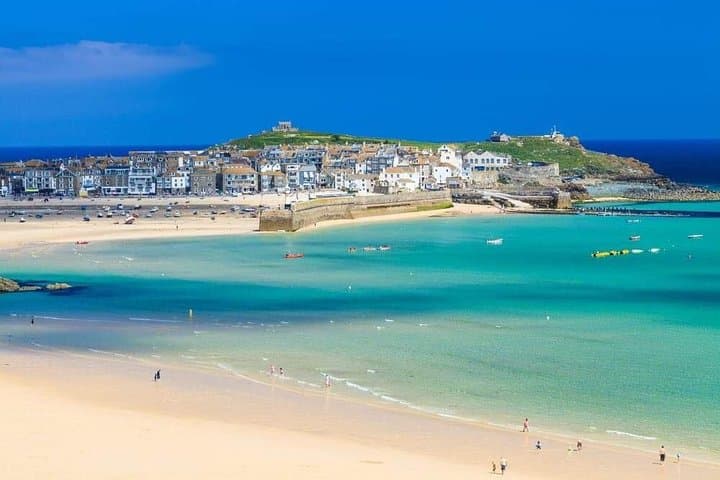
West Cornwall reads like a geology lesson and a storybook at once: granite tors worn smooth by millennia of wind and waves, pilchard-smoke memories in fishing coves, and Victorian telegraph cables that once stitched Britain to the world. The route threads through market towns and tiny harbors used for centuries by fishermen and, more recently, by filmmakers who chose these cliffs for Poldark’s rugged drama.
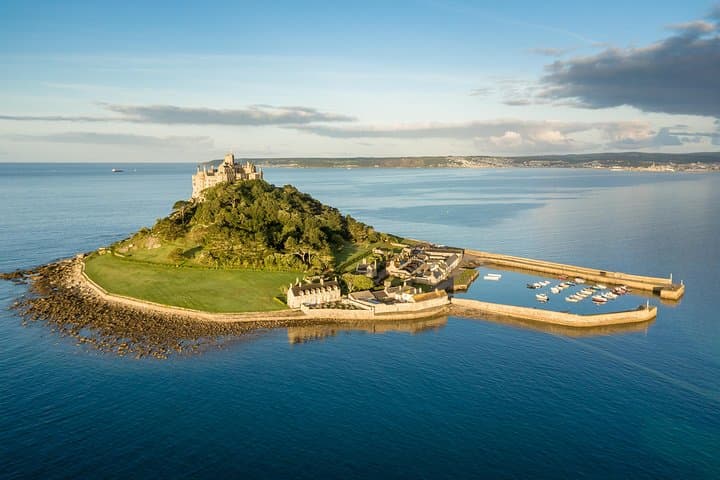
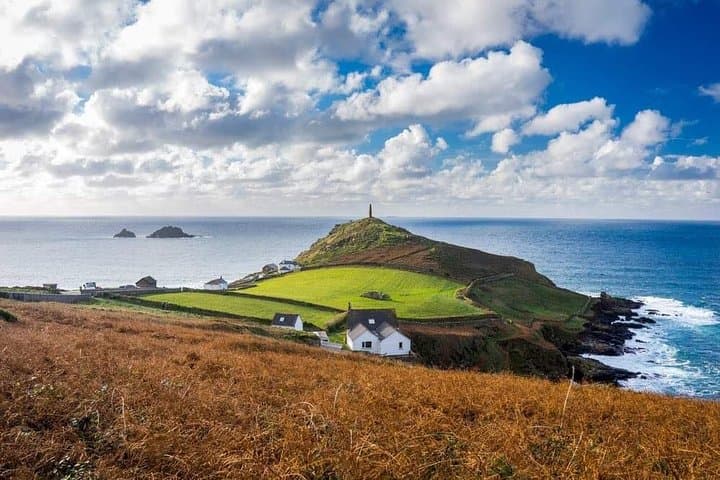
Expect short walks — cobbled streets, stepped paths to harbors, and the Minack Theatre carved into granite with exposed stairs and sea-spray — rather than long hikes. St Michael’s Mount requires checking the tide timetable if you plan to cross the tidal causeway. Cape Cornwall and Land’s End present low-lying cliffscapes that accentuate wind and wave; the terrain is mainly coastal paths and paved viewpoints with modest elevation changes.
Culturally, this is mining country and maritime country: look for engine houses from 19th-century mines and signs of pilchard curing in village lanes. Guides often point out local myths — stone circles and smuggling tales — and the influence of the Newlyn artists around rugged coves.
Practical guidance: wear sturdy walking shoes for uneven cobbles, bring layers and waterproofs for Atlantic weather, carry a small daypack and water, and time visits to tide and theatre schedules. The tour is vehicle-based with multiple short stops, making it accessible for mixed fitness levels while delivering concentrated coastal drama.
easy.
8 hours.
Suitable for most fitness levels; expect multiple short walks (5–30 minutes) on uneven surfaces and some steps.
This is an approximately 8‑hour private vehicle tour with multiple short stops for walks, viewpoints and photo opportunities—most stops last 10–60 minutes.
Yes, but only at low tide when the granite causeway is exposed; check local tide times or you may need a boat transfer.
Admissions are typically not included; the itinerary lists stops where admission is optional or separate, so bring cash or card if you plan to enter.
The tour is vehicle-based and accommodates mixed fitness levels, but many stops involve uneven terrain and steps—contact the operator about mobility needs.
Cornwall’s economy pivoted from pilchard fishing to 19th‑century copper and tin mining; many coastal engine houses remain as industrial relics.
Coastal sites are sensitive to foot traffic and erosion—stick to marked paths, pack out litter, and follow local guidelines to protect nesting seabirds.
Meneage Tours operates guided outdoor trips and adventures with an emphasis on safety, stewardship, and memorable experiences.

The tour begins with salt on the air and a road that hugs the Atlantic — you feel the coast pull at the windows as the guide steers down narrow lanes toward sweeping headlands.
The tour begins with salt on the air and a road that hugs the Atlantic — you feel the coast pull at the windows as the guide steers down narrow lanes toward sweeping headlands.
West Cornwall reads like a geology lesson and a storybook at once: granite tors worn smooth by millennia of wind and waves, pilchard-smoke memories in fishing coves, and Victorian telegraph cables that once stitched Britain to the world. The route threads through market towns and tiny harbors used for centuries by fishermen and, more recently, by filmmakers who chose these cliffs for Poldark’s rugged drama.
Expect short walks — cobbled streets, stepped paths to harbors, and the Minack Theatre carved into granite with exposed stairs and sea-spray — rather than long hikes. St Michael’s Mount requires checking the tide timetable if you plan to cross the tidal causeway. Cape Cornwall and Land’s End present low-lying cliffscapes that accentuate wind and wave; the terrain is mainly coastal paths and paved viewpoints with modest elevation changes.
Culturally, this is mining country and maritime country: look for engine houses from 19th-century mines and signs of pilchard curing in village lanes. Guides often point out local myths — stone circles and smuggling tales — and the influence of the Newlyn artists around rugged coves.
Practical guidance: wear sturdy walking shoes for uneven cobbles, bring layers and waterproofs for Atlantic weather, carry a small daypack and water, and time visits to tide and theatre schedules. The tour is vehicle-based with multiple short stops, making it accessible for mixed fitness levels while delivering concentrated coastal drama.