THE ADVENTURE COLLECTIVE® · Independent discovery and booking for outdoor travel

Charge up and set off from Union Hall on a 40 km e-bike loop that weaves narrow Irish bóithríní with Bronze Age stones, Elizabethan houses, and coastal villages. This guided ride balances electric assist with local stories and practical stops for coffee and photos.
Charge up and set off from Union Hall on a 40 km e-bike loop that weaves narrow Irish bóithríní with Bronze Age stones, Elizabethan houses, and coastal villages. This guided ride balances electric assist with local stories and practical stops for coffee and photos.
A salt-bright breeze lifts off Union Hall as riders clip in and feel the electric assist nudge them up the first bóithrín — the narrow, hedged lanes that carve West Cork’s agricultural hills. The route rolls: steep valley descents, short climbs smoothed by suspension e-bikes, and glimpses of the Atlantic between gorse and stone walls.
Verified experiences and guided adventures in the surrounding area.
Operated by Gormú · Union Hall, County Cork
A salt-bright breeze lifts off Union Hall as riders clip in and feel the electric assist nudge them up the first bóithrín — the narrow, hedged lanes that carve West Cork’s agricultural hills. The route rolls: steep valley descents, short climbs smoothed by suspension e-bikes, and glimpses of the Atlantic between gorse and stone walls.
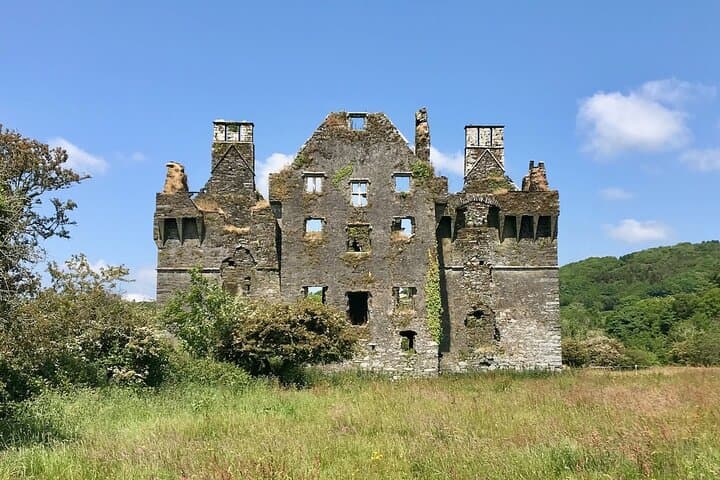
This circuit threads local history and geology into every kilometer. Cyclists pass Coppinger’s Court, an Elizabethan house with a fraught past, pause at a Bronze Age stone circle (Drombeg lies in the same coastal arc), and run past Quaker graveyards and William Thompson’s memorial — reminders that these lanes have been travel corridors for centuries. The land itself is glacially scoured sandstone and limestone, giving way to sheltered coves and fertile fields; the coastline alternates rocky headlands and sandy inlets.
Practically, expect about 40 km of mixed tarmac and lane riding taking roughly 4–5 hours with stops. The e-bikes level up short, sharp climbs but require basic handling on narrow lanes. Plan coffee in Rosscarbery and a seaside cooldown in Glandore; the guide times include short cultural stops to hear local folklore and maritime stories.
Bring layered waterproofs, charge the battery full, and leave room in your day for uneven surfaces and gusts off the ocean. Ride politely: these lanes are shared with tractors, horses, and locals. With moderate fitness and respect for place, this loop delivers fast-paced coastal scenery, living history, and the feel of West Cork under your wheels.
moderate.
4–5 hours.
Moderate — comfortable riding several hours with short, steep efforts; some bike handling on narrow lanes required.
The guided route is about 40 km and takes roughly 4–5 hours including stops; electric assist reduces sustained effort but riders should be prepared for short steep climbs and several hours in the saddle.
No advanced skill is required, but basic e-bike handling and comfort on narrow country lanes is recommended; guides provide instruction before departure.
Bikes are provided charged for the tour; typical battery range on assist modes exceeds the loop distance, but conserving power on long climbs helps ensure a comfortable return.
The tour starts and finishes in Union Hall with scheduled coffee/rest stops in Rosscarbery and village breaks in Glandore; restroom access is available at these stops.
The loop passes sites tied to 17th–19th century West Cork life including Elizabethan-era Coppinger’s Court and maritime settlements; Bronze Age stone circles like Drombeg mark ancient ritual landscapes.
Stick to lanes and designated stops—West Cork’s hedgerows and coastal habitats are sensitive; avoid disturbing nesting birds and pack out any litter.
Gormú operates guided outdoor trips and adventures with an emphasis on safety, stewardship, and memorable experiences.
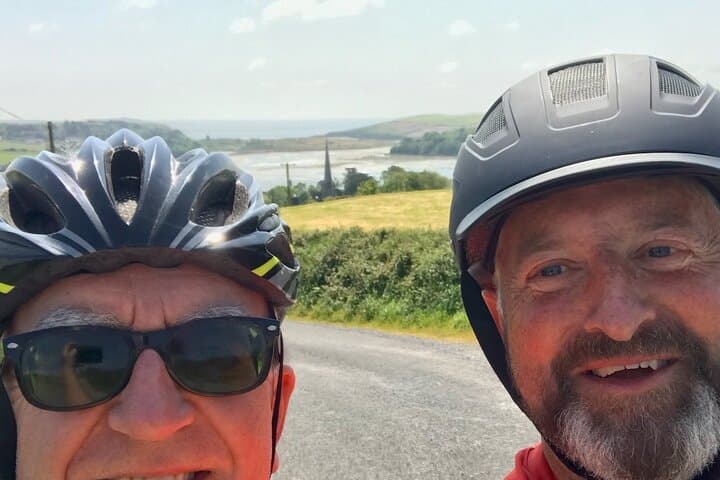
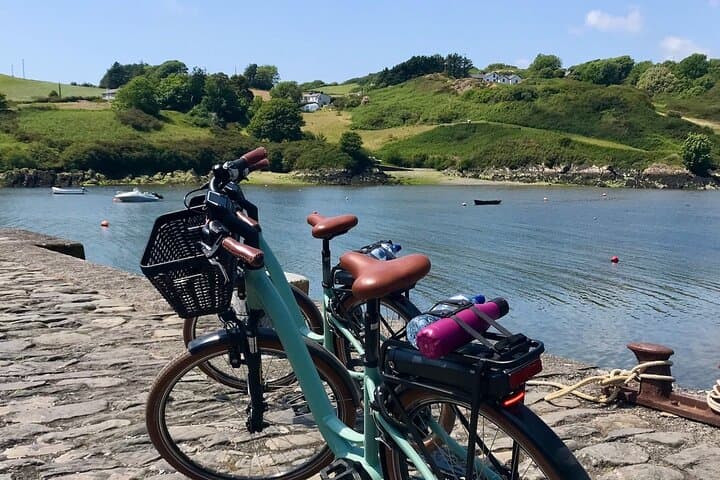
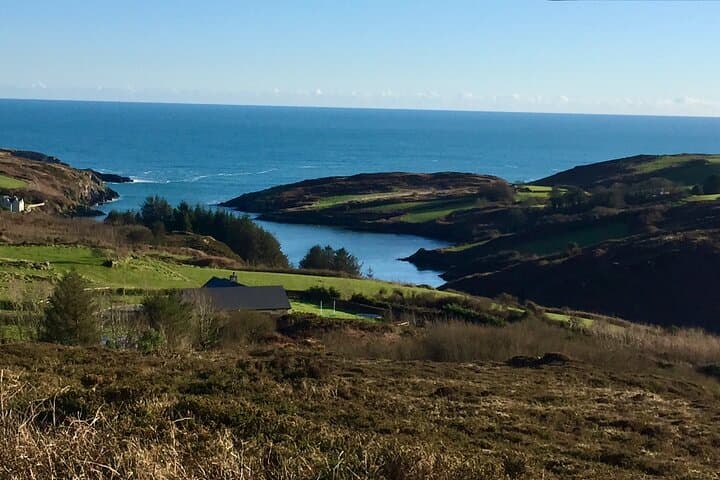
A salt-bright breeze lifts off Union Hall as riders clip in and feel the electric assist nudge them up the first bóithrín — the narrow, hedged lanes that carve West Cork’s agricultural hills. The route rolls: steep valley descents, short climbs smoothed by suspension e-bikes, and glimpses of the Atlantic between gorse and stone walls.
A salt-bright breeze lifts off Union Hall as riders clip in and feel the electric assist nudge them up the first bóithrín — the narrow, hedged lanes that carve West Cork’s agricultural hills. The route rolls: steep valley descents, short climbs smoothed by suspension e-bikes, and glimpses of the Atlantic between gorse and stone walls.
This circuit threads local history and geology into every kilometer. Cyclists pass Coppinger’s Court, an Elizabethan house with a fraught past, pause at a Bronze Age stone circle (Drombeg lies in the same coastal arc), and run past Quaker graveyards and William Thompson’s memorial — reminders that these lanes have been travel corridors for centuries. The land itself is glacially scoured sandstone and limestone, giving way to sheltered coves and fertile fields; the coastline alternates rocky headlands and sandy inlets.
Practically, expect about 40 km of mixed tarmac and lane riding taking roughly 4–5 hours with stops. The e-bikes level up short, sharp climbs but require basic handling on narrow lanes. Plan coffee in Rosscarbery and a seaside cooldown in Glandore; the guide times include short cultural stops to hear local folklore and maritime stories.
Bring layered waterproofs, charge the battery full, and leave room in your day for uneven surfaces and gusts off the ocean. Ride politely: these lanes are shared with tractors, horses, and locals. With moderate fitness and respect for place, this loop delivers fast-paced coastal scenery, living history, and the feel of West Cork under your wheels.