THE ADVENTURE COLLECTIVE® · Independent discovery and booking for outdoor travel

Head offshore from Mauritius’s west coast to seek sperm whales year-round and humpbacks in season. This 3-hour speedboat excursion mixes hydrophone tracking, live commentary, and a focus on responsible viewing practices.
Head offshore from Mauritius’s west coast to seek sperm whales year-round and humpbacks in season. This 3-hour speedboat excursion mixes hydrophone tracking, live commentary, and a focus on responsible viewing practices.
A low, steady thump of the outboard and salt-slick wind set the tone as the speedboat slips past reef flats and out to the blue. On Mauritius’s west coast the shelf falls away quickly; within minutes the water deepens and the ocean’s larger residents begin to appear. Crews scan the horizon and listen with hydrophones, waiting for the telltale blow, click series, or tail-slap that announces a whale.
Verified experiences and guided adventures in the surrounding area.
Operated by Dolswim Ltd · Flic en Flac, Rivière Noire
A low, steady thump of the outboard and salt-slick wind set the tone as the speedboat slips past reef flats and out to the blue. On Mauritius’s west coast the shelf falls away quickly; within minutes the water deepens and the ocean’s larger residents begin to appear. Crews scan the horizon and listen with hydrophones, waiting for the telltale blow, click series, or tail-slap that announces a whale.
Geology on this stretch of ocean is volcanic — steep submarine slopes and canyon-like features channel food and attract deep-diving sperm whales year-round. Humpbacks return seasonally between June and October, migrating along predictable corridors. The islands’ Creole fishing villages and old harbor towns like Tamarin and Flic en Flac have long watched these migrations; today tours aim to observe without disturbing the animals, following approach rules and minimum distances.
On a typical 3-hour excursion you’ll learn to read blows and surface behaviors, hear live commentary, and get close enough for good photos when conditions permit. Operators serve bottled water and soft drinks; wheelchairs can’t stay on board but staff will assist boarding when informed ahead. Expect a 60% chance of sightings — sea state and timing matter.
Practical tips: time your trip for calmer morning seas, bring motion-sickness remedies if you’re prone, and use a telephoto lens or binoculars. Dress in sun-protective layers and secure belongings against spray. Respect the animals: keep noise low and follow the crew’s instructions for approach and photography.
easy.
2–3 hours.
Basic mobility required to board and stand on deck; suitable for most fitness levels
The excursion runs about 150 minutes (roughly 2.5 hours) including transit time to likely sighting areas.
Sperm whales are sighted year-round; humpback whales are most commonly seen between June and October during their migration.
Children must be accompanied by an adult. Wheelchairs cannot remain on board, but staff will assist with boarding if notified in advance and weight is provided.
The operator advertises about a 60% chance of sightings; this depends on weather, sea conditions, and animal movements.
Local maritime communities have long observed migratory whales; modern excursions follow protocols developed to reduce disturbance since the growth of tourism in the late 20th century.
Operators on Mauritius typically adhere to approach-distance rules and educate visitors; avoid tours that chase or harass animals and follow guidelines to reduce noise and waste.
Dolswim Ltd operates guided outdoor trips and adventures with an emphasis on safety, stewardship, and memorable experiences.
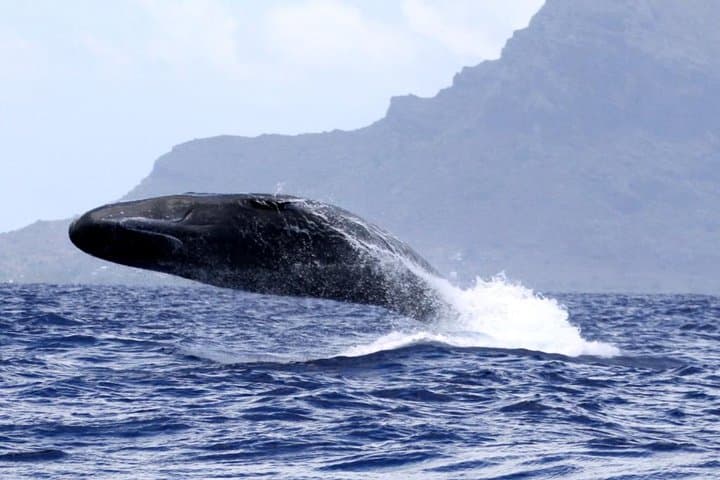
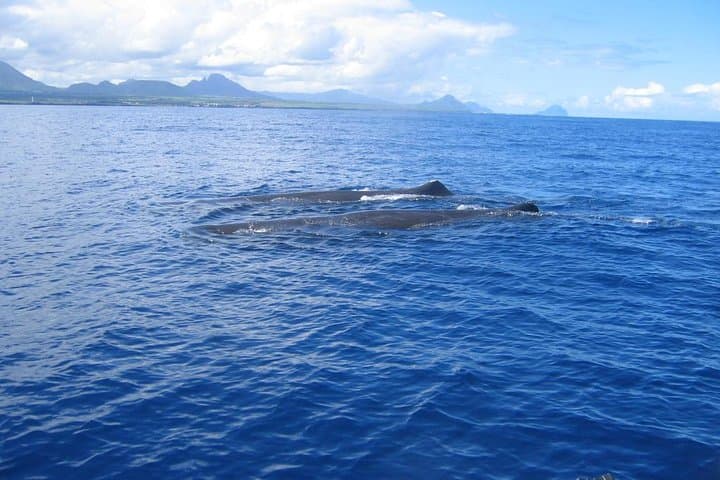
A low, steady thump of the outboard and salt-slick wind set the tone as the speedboat slips past reef flats and out to the blue. On Mauritius’s west coast the shelf falls away quickly; within minutes the water deepens and the ocean’s larger residents begin to appear. Crews scan the horizon and listen with hydrophones, waiting for the telltale blow, click series, or tail-slap that announces a whale.
A low, steady thump of the outboard and salt-slick wind set the tone as the speedboat slips past reef flats and out to the blue. On Mauritius’s west coast the shelf falls away quickly; within minutes the water deepens and the ocean’s larger residents begin to appear. Crews scan the horizon and listen with hydrophones, waiting for the telltale blow, click series, or tail-slap that announces a whale.
Geology on this stretch of ocean is volcanic — steep submarine slopes and canyon-like features channel food and attract deep-diving sperm whales year-round. Humpbacks return seasonally between June and October, migrating along predictable corridors. The islands’ Creole fishing villages and old harbor towns like Tamarin and Flic en Flac have long watched these migrations; today tours aim to observe without disturbing the animals, following approach rules and minimum distances.
On a typical 3-hour excursion you’ll learn to read blows and surface behaviors, hear live commentary, and get close enough for good photos when conditions permit. Operators serve bottled water and soft drinks; wheelchairs can’t stay on board but staff will assist boarding when informed ahead. Expect a 60% chance of sightings — sea state and timing matter.
Practical tips: time your trip for calmer morning seas, bring motion-sickness remedies if you’re prone, and use a telephoto lens or binoculars. Dress in sun-protective layers and secure belongings against spray. Respect the animals: keep noise low and follow the crew’s instructions for approach and photography.