THE ADVENTURE COLLECTIVE® · Independent discovery and booking for outdoor travel

Spend a full day exploring Luxor’s West Bank: tombs in the Valley of the Kings, Hatshepsut’s cliff‑front temple, the Colossi of Memnon, and the vast Temple of Karnak. This small‑group tour pairs guided interpretation with local lunch and a possible felucca sunset.
Spend a full day exploring Luxor’s West Bank: tombs in the Valley of the Kings, Hatshepsut’s cliff‑front temple, the Colossi of Memnon, and the vast Temple of Karnak. This small‑group tour pairs guided interpretation with local lunch and a possible felucca sunset.
A warm, dust-scented morning begins the day as a small air‑conditioned van eases away from Luxor’s riverfront and crosses toward the West Bank. Palm groves blur past and the Nile’s surface glints like a moving coin; ahead rise the sombre cliffs that hold the Valley of the Kings and the terraces of Hatshepsut.
Verified experiences and guided adventures in the surrounding area.
Operated by Luxor Taxi - DayTour · Luxor, Luxor Governorate
A warm, dust-scented morning begins the day as a small air‑conditioned van eases away from Luxor’s riverfront and crosses toward the West Bank. Palm groves blur past and the Nile’s surface glints like a moving coin; ahead rise the sombre cliffs that hold the Valley of the Kings and the terraces of Hatshepsut.
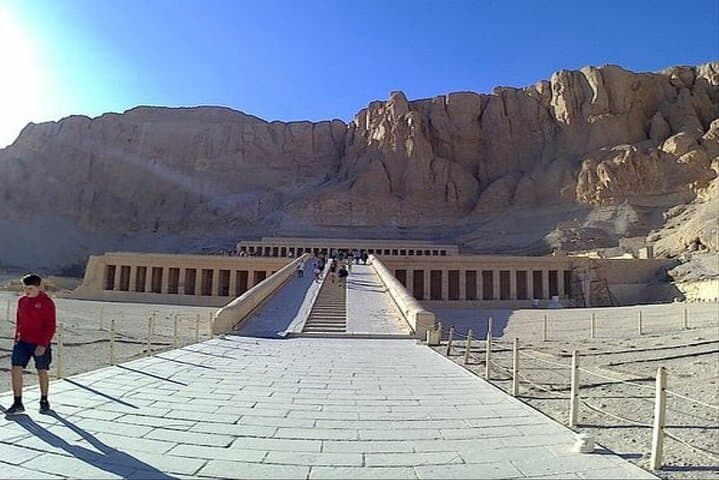
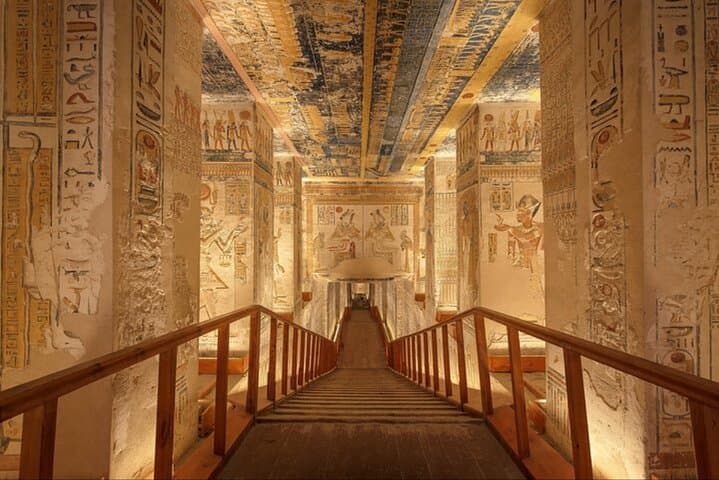
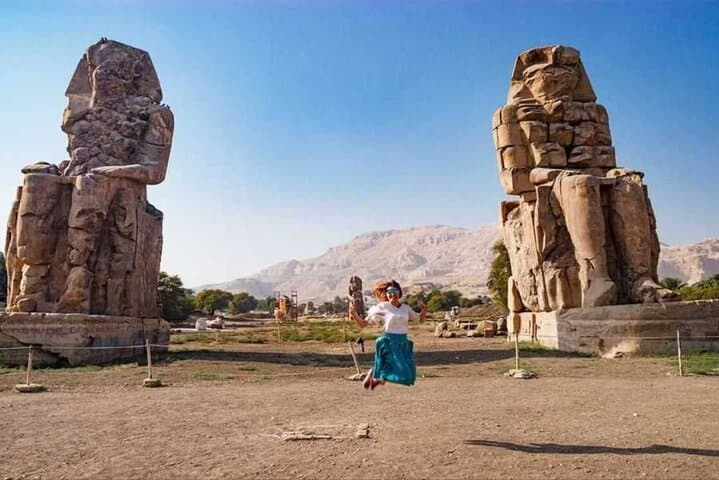
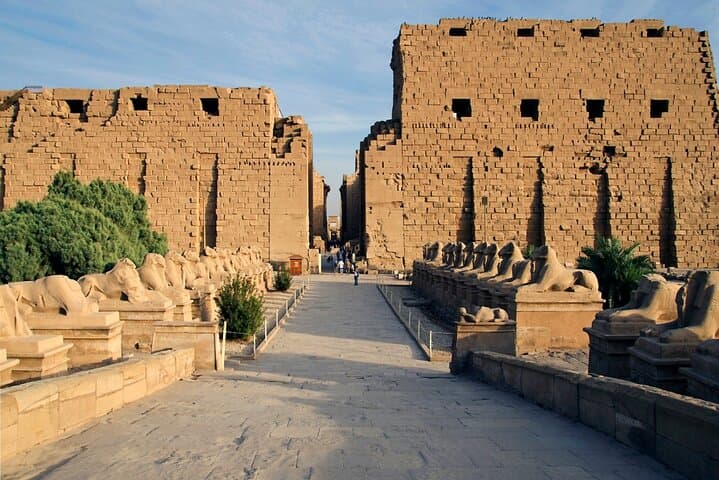
Visitors descend into tomb-filled ravines where painted corridors and carved sarcophagus chambers narrate funerary rites and pharaonic ambition. The tour threads through the Valley of the Kings — including the tomb of Tutankhamun — then sweeps to the white-pillared colonnades of the Temple of Hatshepsut and the hulking Colossi of Memnon on the approach road. On the return, Karnak’s monumental pylons and its Hypostyle Hall — 134 forest‑like columns — open up like a man‑made canyon, each hieroglyph a sentence in millennia of ritual.
Geologically, the West Bank’s limestone escarpment provided both shelter and quarry; culturally, these sites map ancient Egypt’s visions of kingship. The guide’s narrative links inscriptions to daily life, and lunch at a local restaurant adds contemporary flavor.
Practical guidance: expect an 8–9 hour day with several short walks and uneven surfaces, stone steps and low tomb ceilings. Carry sunscreen, a wide‑brim hat, a refillable water bottle and comfortable closed shoes. Photography rules vary inside tombs — follow your guide. Plan for heat by scheduling early starts and pausing for shade at Hatshepsut’s terraces. Bring small local currency for tips and souvenirs, and allow time after Karnak for a brief felucca glide if offered — the Nile frames the monuments in late afternoon light.
easy.
8–9 hours.
Suitable for most fitness levels; involves multiple short walks, stairs and low-ceilinged tomb access
Admissions to the Valley of the Kings and Karnak are included in this tour as specified; bring extra cash for optional tombs or camera permits if not covered.
The tour runs about 8–9 hours with hotel pickup and drop‑off in Luxor using an air‑conditioned van.
Access depends on site rotation and preservation rules; guides will select open tombs—Tutankhamun’s tomb may be accessible but is sometimes closed for conservation.
The tour is family‑friendly but involves uneven terrain and steps; those with limited mobility should check specific site accessibility and discuss needs at booking.
Luxor’s West Bank served as ancient Thebes’ necropolis; pharaohs carved tombs into the limestone escarpment and built mortuary temples to anchor the cult of the dead.
Tomb interiors are vulnerable to humidity and visitor wear—follow guidelines to limit flash photography and avoid touching painted surfaces. Support local conservation by choosing licensed guides and respecting restricted zones.
Luxor Taxi - DayTour operates guided outdoor trips and adventures with an emphasis on safety, stewardship, and memorable experiences.
A warm, dust-scented morning begins the day as a small air‑conditioned van eases away from Luxor’s riverfront and crosses toward the West Bank. Palm groves blur past and the Nile’s surface glints like a moving coin; ahead rise the sombre cliffs that hold the Valley of the Kings and the terraces of Hatshepsut.
A warm, dust-scented morning begins the day as a small air‑conditioned van eases away from Luxor’s riverfront and crosses toward the West Bank. Palm groves blur past and the Nile’s surface glints like a moving coin; ahead rise the sombre cliffs that hold the Valley of the Kings and the terraces of Hatshepsut.
Visitors descend into tomb-filled ravines where painted corridors and carved sarcophagus chambers narrate funerary rites and pharaonic ambition. The tour threads through the Valley of the Kings — including the tomb of Tutankhamun — then sweeps to the white-pillared colonnades of the Temple of Hatshepsut and the hulking Colossi of Memnon on the approach road. On the return, Karnak’s monumental pylons and its Hypostyle Hall — 134 forest‑like columns — open up like a man‑made canyon, each hieroglyph a sentence in millennia of ritual.
Geologically, the West Bank’s limestone escarpment provided both shelter and quarry; culturally, these sites map ancient Egypt’s visions of kingship. The guide’s narrative links inscriptions to daily life, and lunch at a local restaurant adds contemporary flavor.
Practical guidance: expect an 8–9 hour day with several short walks and uneven surfaces, stone steps and low tomb ceilings. Carry sunscreen, a wide‑brim hat, a refillable water bottle and comfortable closed shoes. Photography rules vary inside tombs — follow your guide. Plan for heat by scheduling early starts and pausing for shade at Hatshepsut’s terraces. Bring small local currency for tips and souvenirs, and allow time after Karnak for a brief felucca glide if offered — the Nile frames the monuments in late afternoon light.