THE ADVENTURE COLLECTIVE® · Independent discovery and booking for outdoor travel

A brisk, informative 2–3 hour walk through Wellington that links Parliament grounds, the Botanic Garden and the cable car summit to Cuba Street and Te Papa. Perfect for visitors who want a compact, ground-level introduction to the city’s history, geology and local life.
A brisk, informative 2–3 hour walk through Wellington that links Parliament grounds, the Botanic Garden and the cable car summit to Cuba Street and Te Papa. Perfect for visitors who want a compact, ground-level introduction to the city’s history, geology and local life.
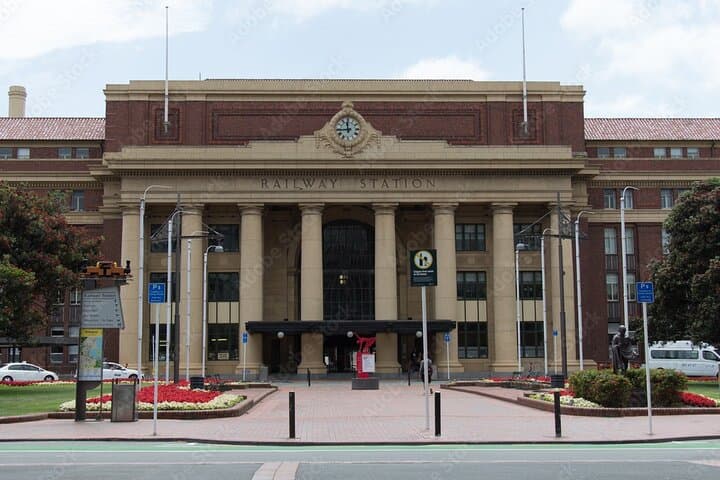
Morning sunlight hits the broad steps outside Wellington’s neo-classical railway station as a small group gathers — coffee steaming, backpacks cinched — ready to move through the city’s layered story.
Verified experiences and guided adventures in the surrounding area.
Operated by Greenbelt · Wellington, Wellington
Morning sunlight hits the broad steps outside Wellington’s neo-classical railway station as a small group gathers — coffee steaming, backpacks cinched — ready to move through the city’s layered story.
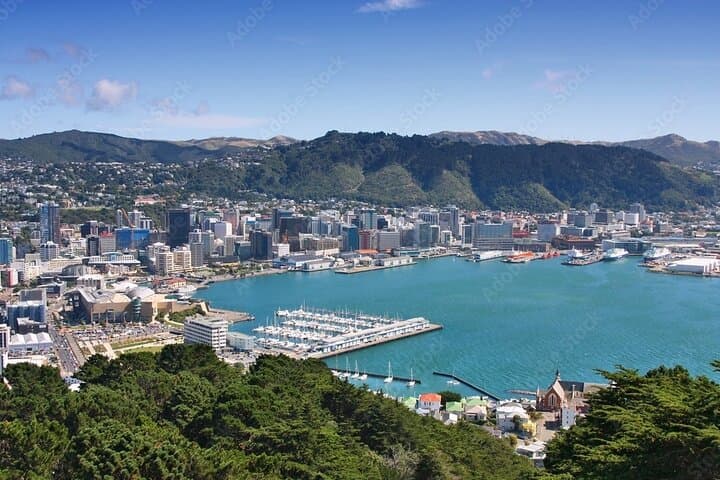
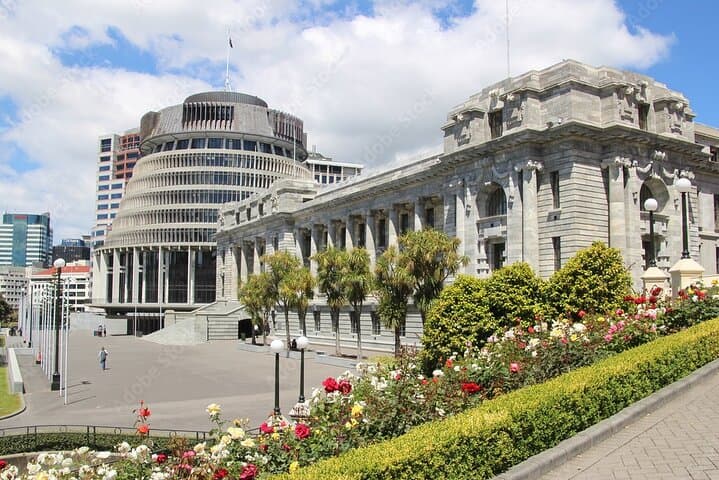
The guide leads off through an underpass toward Parliament grounds, where politics and place meet. The walk follows the Wellington fault line on Tinakori Road, brushes past Premier House, then climbs into the Botanic Garden. Native bush edges the path and seems to hush the city as pūriri and rimu shoulder introduced garden specimens. At the cable car summit the harbour spreads open; hills cup the water and narrow streets thread down to the waterfront.
Wellington’s history is visible in its mix of colonial and Māori place names and the early-20th-century cable car that still stitches suburb to city. Geology shapes every street here — steep ridges, compact bays, and a city built around seismic thresholds. Culture is on view in Cuba Street’s cafes and street art, and Te Papa at the finish ties local stories to the landscape.
Practical guidance: plan for a 2–3 hour moderate walk with paved city sidewalks, gravel tracks and stairs through bush. Wear grippy shoes and a windproof layer; bring water and a small umbrella for changeable weather. Mid-morning and late-afternoon departures offer gentler light and fewer crowds. The route is stroller-accessible on most sections, public transport is close to the meeting point, and the tour ends at Te Papa where you can extend your visit indoors.
moderate.
2–3 hours.
You should be comfortable walking uphill and on uneven surfaces for a couple of hours; baseline cardiovascular fitness and steady footing recommended
Meet at the main entrance of Wellington Railway Station; the tour typically finishes at Te Papa on the waterfront where you can continue exploring.
Yes—many sections are stroller-accessible, but expect some stairs and steeper stretches; contact the operator if you have specific accessibility needs.
The tour includes a short coffee stop on Cuba Street but no full meal; bring snacks if you have dietary needs or plan to eat afterward at Te Papa.
Full refund available if you cancel at least 24 hours before the scheduled departure; tours may be cancelled for bad weather or insufficient travelers.
Wellington became New Zealand’s capital in 1865; the cable car, opened in 1902, helped link hillside suburbs to the city below and shaped urban expansion.
The Botanic Garden supports native plant restoration and predator control projects—stick to paths, avoid feeding wildlife, and follow biosecurity rules to protect local biodiversity.
Greenbelt operates guided outdoor trips and adventures with an emphasis on safety, stewardship, and memorable experiences.
Morning sunlight hits the broad steps outside Wellington’s neo-classical railway station as a small group gathers — coffee steaming, backpacks cinched — ready to move through the city’s layered story.
Morning sunlight hits the broad steps outside Wellington’s neo-classical railway station as a small group gathers — coffee steaming, backpacks cinched — ready to move through the city’s layered story.
The guide leads off through an underpass toward Parliament grounds, where politics and place meet. The walk follows the Wellington fault line on Tinakori Road, brushes past Premier House, then climbs into the Botanic Garden. Native bush edges the path and seems to hush the city as pūriri and rimu shoulder introduced garden specimens. At the cable car summit the harbour spreads open; hills cup the water and narrow streets thread down to the waterfront.
Wellington’s history is visible in its mix of colonial and Māori place names and the early-20th-century cable car that still stitches suburb to city. Geology shapes every street here — steep ridges, compact bays, and a city built around seismic thresholds. Culture is on view in Cuba Street’s cafes and street art, and Te Papa at the finish ties local stories to the landscape.
Practical guidance: plan for a 2–3 hour moderate walk with paved city sidewalks, gravel tracks and stairs through bush. Wear grippy shoes and a windproof layer; bring water and a small umbrella for changeable weather. Mid-morning and late-afternoon departures offer gentler light and fewer crowds. The route is stroller-accessible on most sections, public transport is close to the meeting point, and the tour ends at Te Papa where you can extend your visit indoors.