THE ADVENTURE COLLECTIVE® · Independent discovery and booking for outdoor travel

Glide around Te Whanganui-a-Tara on the Southern Hemisphere’s first fully electric passenger ferry. This 90-minute harbour cruise blends maritime history, wildlife spotting, and zero-emissions sightseeing—quiet, informative, and accessible.
Glide around Te Whanganui-a-Tara on the Southern Hemisphere’s first fully electric passenger ferry. This 90-minute harbour cruise blends maritime history, wildlife spotting, and zero-emissions sightseeing—quiet, informative, and accessible.
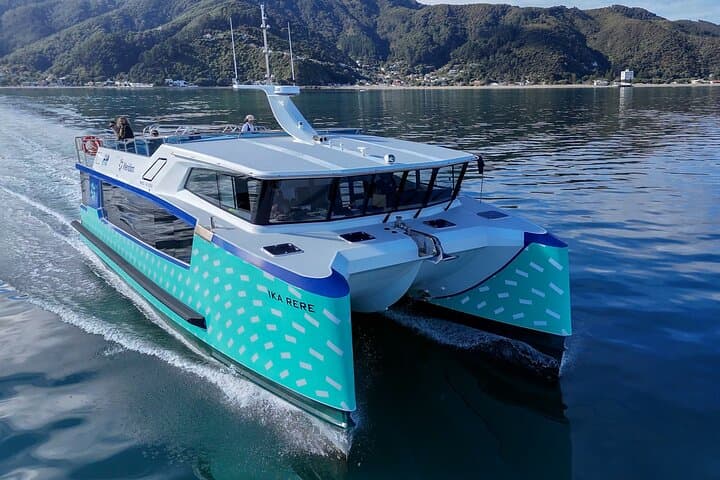
The ferry slips away from Wellington’s waterfront and the city’s low glass and brick edges fall astern. Salt air and the gentle vibration of an electric motor set the pace; gulls wheel and an inlet of dark water dares you to look closer. On Ika Rere, the Southern Hemisphere’s first fully electric passenger ferry, the harbour feels intimate—the guide’s voice carries without engine roar, and the experience is part natural history lesson, part urban maritime tour.
Verified experiences and guided adventures in the surrounding area.
Operated by East By West Ferries · Wellington, Wellington
The ferry slips away from Wellington’s waterfront and the city’s low glass and brick edges fall astern. Salt air and the gentle vibration of an electric motor set the pace; gulls wheel and an inlet of dark water dares you to look closer. On Ika Rere, the Southern Hemisphere’s first fully electric passenger ferry, the harbour feels intimate—the guide’s voice carries without engine roar, and the experience is part natural history lesson, part urban maritime tour.
Te Whanganui-a-Tara has been shaped by tectonics and sea: a drowned river valley ringed by steep ridges and fault lines, its shoreline dotted with wharves and reclaimed land. Māori and later European maritime industries left layers of culture here—waka routes, shipyards, and a busy port that turned Wellington into the nation’s capital. Geologically, the harbour’s basins and channels channel wind and currents that push the boat in different moods each day.
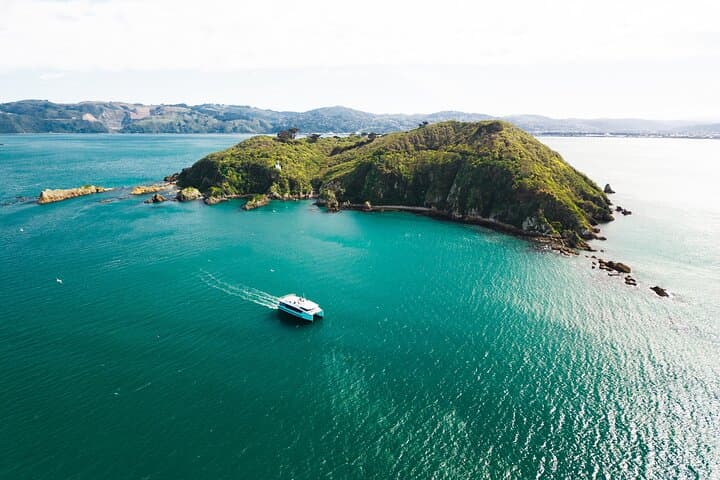
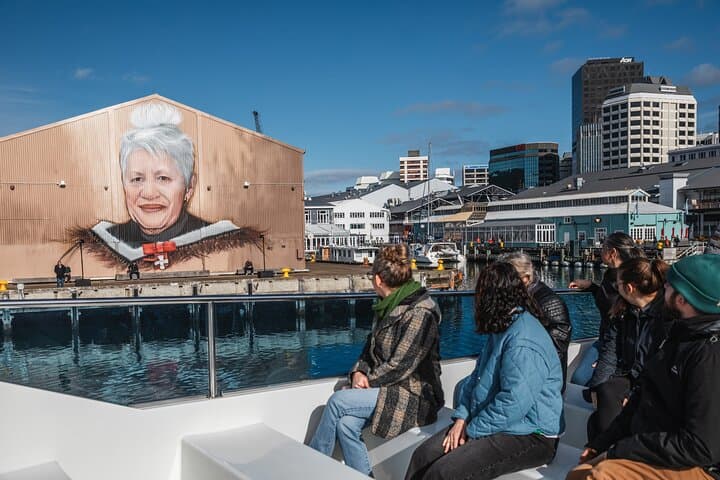
Expect views of the harbour heads, commercial port operations, sheltered bays where little blue penguins and occasional fur seals appear, and commentary about lighthouse sites and shipwrecks. The electric vessel lets you move between the open-top deck for photography and the quieter enclosed cabin for briefing and shelter.
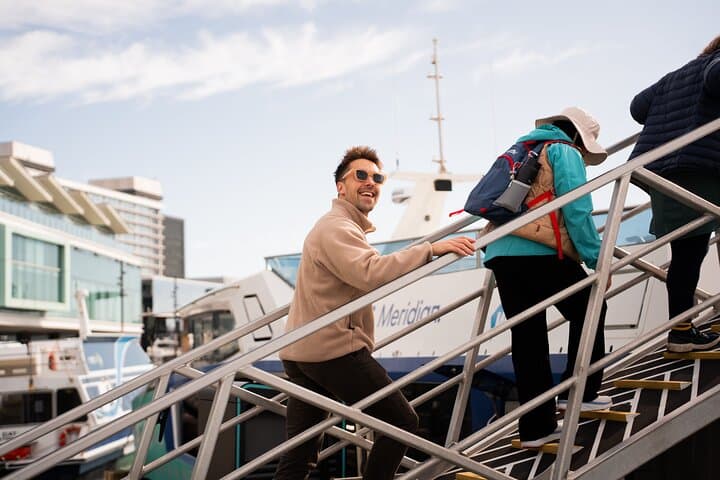
Practical notes: arrive 15–20 minutes early for boarding and seating choice; dress in windproof layers and bring a small daypack; motion-sickness medication helps if you’re sensitive to swell. The cruise is family-friendly and accessible; tickets include on-board restrooms and spoken commentary. For lower-impact travel, bring a refillable bottle and follow guidance on wildlife distance—watch, photograph, and give the harbour room to breathe.
easy.
1.5 hours (90 minutes).
Suitable for all fitness levels; passengers should be able to step on/off a ferry and stand for short periods.
Yes—infants may sit on laps and the vessel is stroller-accessible; family-friendly commentary is provided.
Service animals are allowed; other pets are typically not permitted—check operator policy before booking.
Tours may be cancelled for safety in poor weather; the operator offers full refunds if cancelled at least 24 hours prior or if the departure is called off due to conditions.
Yes, the ferry has an on-board restroom and both open-top and enclosed cabin seating with audible commentary.
Te Whanganui-a-Tara has been a navigational and cultural hub for Māori and later European settlers; the harbour’s development mirrors Wellington’s growth as a port and capital.
The electric ferry reduces local emissions and noise, benefiting marine life; visitors are encouraged to follow wildlife-distance guidelines and avoid single-use plastics.
East By West Ferries operates guided outdoor trips and adventures with an emphasis on safety, stewardship, and memorable experiences.
The ferry slips away from Wellington’s waterfront and the city’s low glass and brick edges fall astern. Salt air and the gentle vibration of an electric motor set the pace; gulls wheel and an inlet of dark water dares you to look closer. On Ika Rere, the Southern Hemisphere’s first fully electric passenger ferry, the harbour feels intimate—the guide’s voice carries without engine roar, and the experience is part natural history lesson, part urban maritime tour.
The ferry slips away from Wellington’s waterfront and the city’s low glass and brick edges fall astern. Salt air and the gentle vibration of an electric motor set the pace; gulls wheel and an inlet of dark water dares you to look closer. On Ika Rere, the Southern Hemisphere’s first fully electric passenger ferry, the harbour feels intimate—the guide’s voice carries without engine roar, and the experience is part natural history lesson, part urban maritime tour.
Te Whanganui-a-Tara has been shaped by tectonics and sea: a drowned river valley ringed by steep ridges and fault lines, its shoreline dotted with wharves and reclaimed land. Māori and later European maritime industries left layers of culture here—waka routes, shipyards, and a busy port that turned Wellington into the nation’s capital. Geologically, the harbour’s basins and channels channel wind and currents that push the boat in different moods each day.
Expect views of the harbour heads, commercial port operations, sheltered bays where little blue penguins and occasional fur seals appear, and commentary about lighthouse sites and shipwrecks. The electric vessel lets you move between the open-top deck for photography and the quieter enclosed cabin for briefing and shelter.
Practical notes: arrive 15–20 minutes early for boarding and seating choice; dress in windproof layers and bring a small daypack; motion-sickness medication helps if you’re sensitive to swell. The cruise is family-friendly and accessible; tickets include on-board restrooms and spoken commentary. For lower-impact travel, bring a refillable bottle and follow guidance on wildlife distance—watch, photograph, and give the harbour room to breathe.