THE ADVENTURE COLLECTIVE® · Independent discovery and booking for outdoor travel

A compact two-day itinerary combining Jaipur’s imperial monuments with a morning safari at Ranthambore. Ideal for travelers short on time who want heritage and wildlife in one trip.
A compact two-day itinerary combining Jaipur’s imperial monuments with a morning safari at Ranthambore. Ideal for travelers short on time who want heritage and wildlife in one trip.
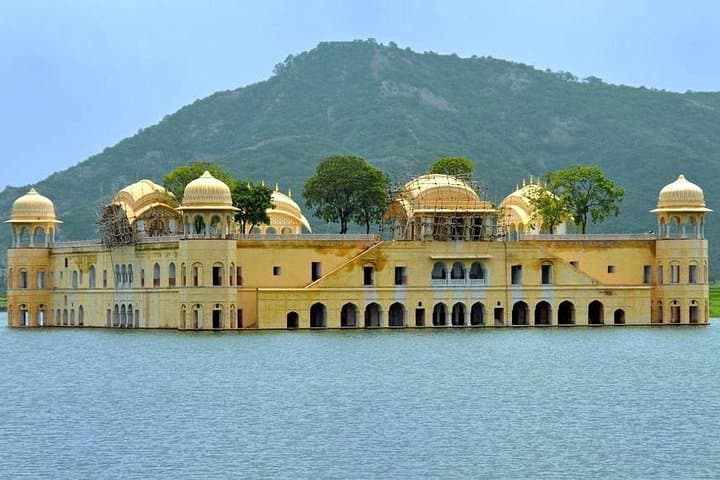
You step out of the AC vehicle as the city shifts around you — pink sandstone facades in Jaipur, sandstone ramparts and scrub forest at Ranthambore. The first day moves deliberately: a guided walk past the latticed windows of Hawa Mahal, the geometric instruments at Jantar Mantar and the water-glazed calm of Jal Mahal before an evening drive toward the dry riverine hills that hold Ranthambore’s tiger country.
Verified experiences and guided adventures in the surrounding area.
Operated by Unseen Tours and Travels · Sawai Madhopur, Rajasthan
You step out of the AC vehicle as the city shifts around you — pink sandstone facades in Jaipur, sandstone ramparts and scrub forest at Ranthambore. The first day moves deliberately: a guided walk past the latticed windows of Hawa Mahal, the geometric instruments at Jantar Mantar and the water-glazed calm of Jal Mahal before an evening drive toward the dry riverine hills that hold Ranthambore’s tiger country.
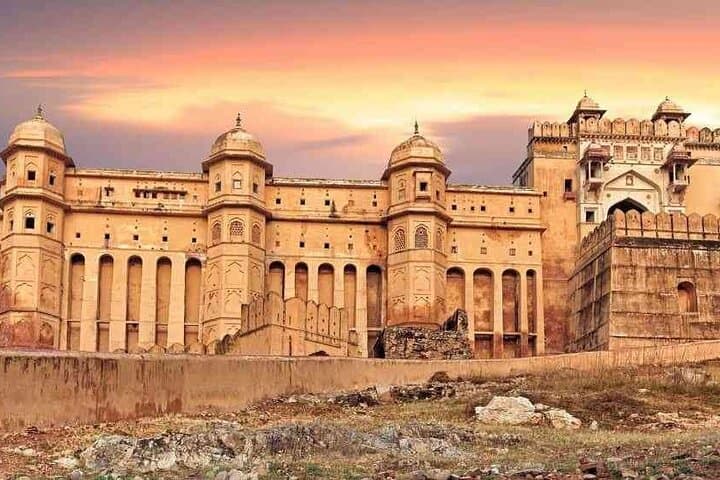
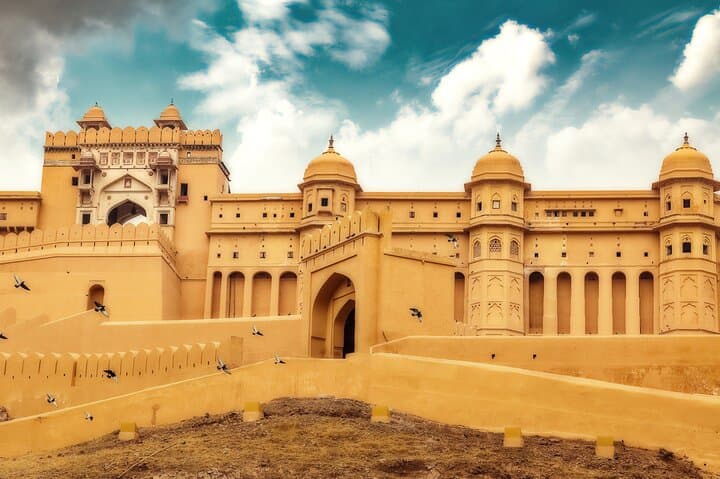
Jaipur was planned in 1727 by Maharaja Sawai Jai Singh II; its streets and palaces reflect Rajput court culture and astronomical ambitions. Ranthambore’s landscape is older: granite outcrops, steep fort walls and mixed dry deciduous forest carved from Deccan and Aravalli-influenced geology. Ranthambore Fort itself is a medieval stronghold where history meets the edges of the park.
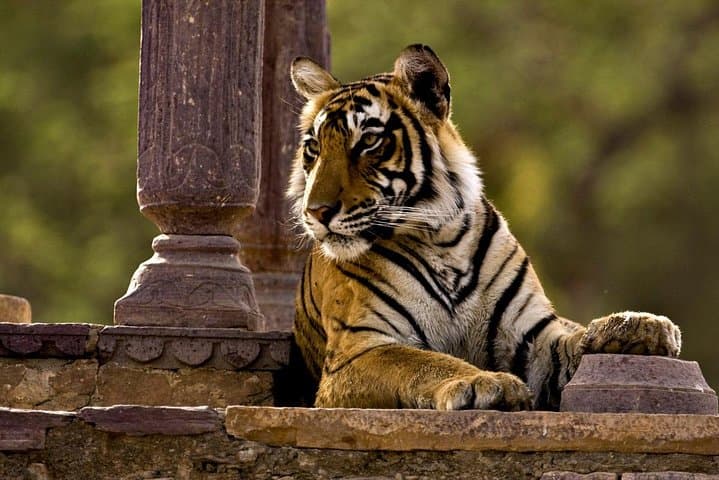
On safari you’ll watch the forest readied for dawn — langurs on boulders, sambar feeding in shade, and, with luck, a tiger moving through grass that seems to part for it. Local life along the way includes roadside markets, block-printed textiles and Rajasthani cuisine emphasizing lentils, ghee and spice.
Practical pointers: the itinerary covers ~250 km (Delhi–Jaipur) and an overnight near Ranthambore; expect early morning game drives at first light. Carry water, binoculars and muted clothing; vehicle transfers are air-conditioned. Hotel tiers vary; monument entry may be included only with higher-tier options. The safari is governed by park quotas — arrive with ID, follow your guide’s instructions, and plan extra time for transfers if you’re connecting to Agra, Delhi or Jaipur after the tour.
easy.
2 days.
Low to moderate fitness; able to walk short distances at monuments and board safari vehicles
The transfer is roughly 250 km and typically takes about 4.5–6 hours depending on traffic and stops.
Accommodation is optional; the tour offers 4- or 5-star hotel options, or you can arrange your own stay as noted in the booking details.
One shared morning safari in Ranthambore National Park is included with this package.
The itinerary includes breakfast and one veg buffet dinner at the hotel; other meals may depend on the accommodation option you select.
Jaipur was founded in 1727 by Maharaja Sawai Jai Singh II as a planned capital; Ranthambore Fort dates back to medieval Rajput and Sultanate periods and anchors the park’s cultural landscape.
Ranthambore operates strict vehicle and quota systems to limit disturbance; support local guides and licensed operators who follow park rules to reduce human impact.
Unseen Tours and Travels operates guided outdoor trips and adventures with an emphasis on safety, stewardship, and memorable experiences.
You step out of the AC vehicle as the city shifts around you — pink sandstone facades in Jaipur, sandstone ramparts and scrub forest at Ranthambore. The first day moves deliberately: a guided walk past the latticed windows of Hawa Mahal, the geometric instruments at Jantar Mantar and the water-glazed calm of Jal Mahal before an evening drive toward the dry riverine hills that hold Ranthambore’s tiger country.
You step out of the AC vehicle as the city shifts around you — pink sandstone facades in Jaipur, sandstone ramparts and scrub forest at Ranthambore. The first day moves deliberately: a guided walk past the latticed windows of Hawa Mahal, the geometric instruments at Jantar Mantar and the water-glazed calm of Jal Mahal before an evening drive toward the dry riverine hills that hold Ranthambore’s tiger country.
Jaipur was planned in 1727 by Maharaja Sawai Jai Singh II; its streets and palaces reflect Rajput court culture and astronomical ambitions. Ranthambore’s landscape is older: granite outcrops, steep fort walls and mixed dry deciduous forest carved from Deccan and Aravalli-influenced geology. Ranthambore Fort itself is a medieval stronghold where history meets the edges of the park.
On safari you’ll watch the forest readied for dawn — langurs on boulders, sambar feeding in shade, and, with luck, a tiger moving through grass that seems to part for it. Local life along the way includes roadside markets, block-printed textiles and Rajasthani cuisine emphasizing lentils, ghee and spice.
Practical pointers: the itinerary covers ~250 km (Delhi–Jaipur) and an overnight near Ranthambore; expect early morning game drives at first light. Carry water, binoculars and muted clothing; vehicle transfers are air-conditioned. Hotel tiers vary; monument entry may be included only with higher-tier options. The safari is governed by park quotas — arrive with ID, follow your guide’s instructions, and plan extra time for transfers if you’re connecting to Agra, Delhi or Jaipur after the tour.