THE ADVENTURE COLLECTIVE® · Independent discovery and booking for outdoor travel

Seven days from Cairo to Luxor and back—walk the Giza Plateau, sail a traditional felucca through Aswan, and explore the temples and tombs that mapped pharaonic power. This compact itinerary blends river travel with major archaeological sites and practical travel logistics.
Seven days from Cairo to Luxor and back—walk the Giza Plateau, sail a traditional felucca through Aswan, and explore the temples and tombs that mapped pharaonic power. This compact itinerary blends river travel with major archaeological sites and practical travel logistics.
You arrive at the Giza Plateau as heat rolls off the stones and the Great Pyramid casts a patient, massive shadow across the sand. Camels pace along horizon lines while the Sphinx watches traffic and the city hums beyond—the pulse of modern Cairo pressed up against four millennia of built history.
Verified experiences and guided adventures in the surrounding area.
Operated by Egypt Best Vacations · Cairo, Cairo Governorate
You arrive at the Giza Plateau as heat rolls off the stones and the Great Pyramid casts a patient, massive shadow across the sand. Camels pace along horizon lines while the Sphinx watches traffic and the city hums beyond—the pulse of modern Cairo pressed up against four millennia of built history.
This seven-day loop stitches Cairo, Aswan, Luxor and the Nile into a compact survey of pharaonic power and river life. Geologically, the monuments sit on limestone bedrock carved by wind and Nile-borne sediment; the river that forged the valley still negotiates the landscape, pushing life and traders alike along its banks. Cairo’s Ottoman and medieval layers meet the ancient: the Citadel rises on a defensive spur, Khan El-Khalili trades in spices and copper, and the Egyptian Museum holds the long human project of burial, display, and memory.
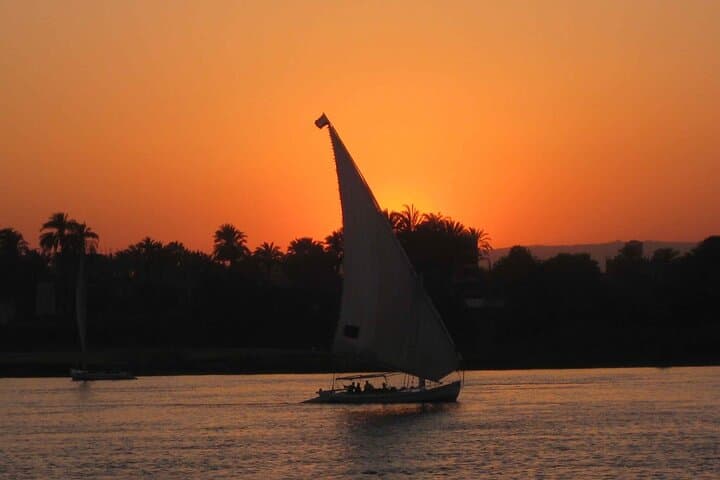
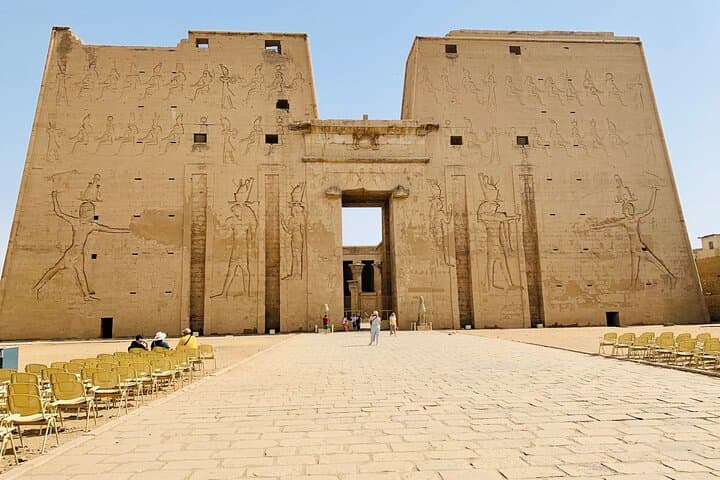
On the Nile you’ll sail in a felucca, where the current acts like a slow guide—wind and oars do the work and the river dictates the pace. In Upper Egypt, granite quarries and temple reliefs tell of stonework, religious politics and the labor of empires at Kom Ombo, Edfu and Karnak.
Practical notes: expect long walking days with uneven surfaces, short domestic flights between Cairo, Aswan and Luxor, and basic sleeping conditions on a felucca. Bring sun protection, sturdy closed-toe shoes, a refillable water bottle and a light daypack. Travel in cooler months (Oct–Apr) for milder daytime temps; schedule tomb visits early to avoid crowds and mid-day heat.
moderate.
7 days.
Light-to-moderate endurance for walking 2–5 hours on multiple days, climbing tomb steps and transferring between boats, hotels and small aircraft.
Yes; the itinerary includes domestic flights as specified—confirm flight times at booking and allow transit time for airport transfers.
Feluccas are basic: expect simple mattresses or cushions and limited facilities; they offer peaceful nights on the river rather than hotel comforts.
Admission to many major tombs and some pyramid interiors is included, but access to specific tombs can vary and may require additional onsite fees.
A moderate level of fitness is recommended: you'll walk on uneven terrain, climb steps in tombs and move between transport modes several times a day.
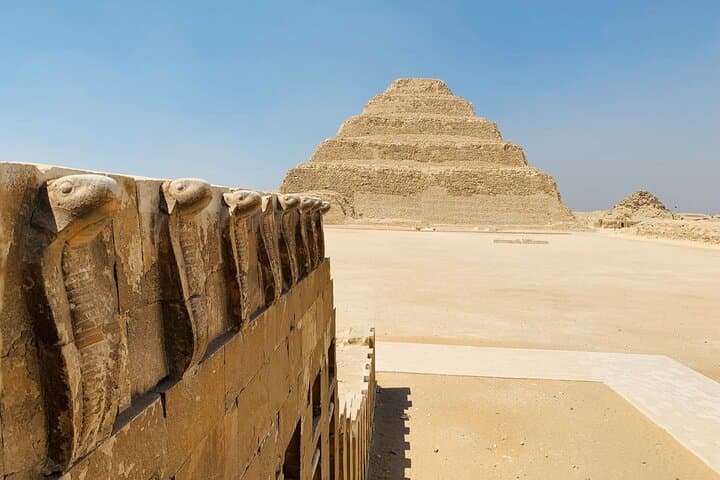
The route follows core arteries of ancient Egypt: Memphis and Saqqara were early capitals, while Luxor’s Theban plain concentrated royal tombs and temples from the New Kingdom.
Touring impacts include wear at fragile tomb surfaces and plastic waste on riverbanks; favor licensed guides, stay on marked paths, and minimize single-use plastics.
Egypt Best Vacations operates guided outdoor trips and adventures with an emphasis on safety, stewardship, and memorable experiences.
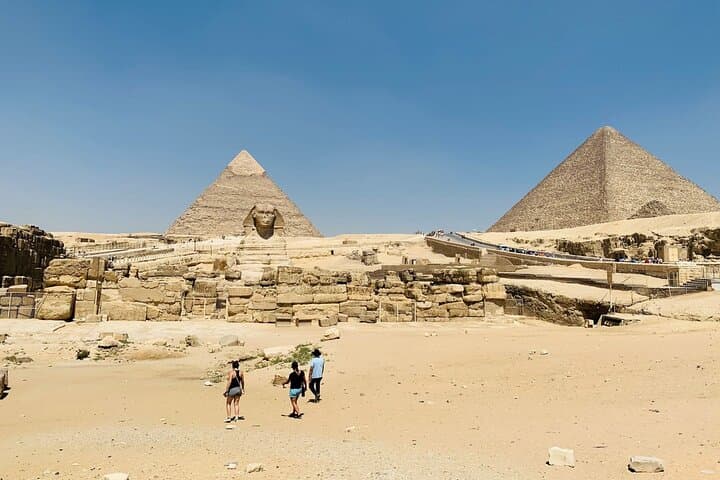
You arrive at the Giza Plateau as heat rolls off the stones and the Great Pyramid casts a patient, massive shadow across the sand. Camels pace along horizon lines while the Sphinx watches traffic and the city hums beyond—the pulse of modern Cairo pressed up against four millennia of built history.
You arrive at the Giza Plateau as heat rolls off the stones and the Great Pyramid casts a patient, massive shadow across the sand. Camels pace along horizon lines while the Sphinx watches traffic and the city hums beyond—the pulse of modern Cairo pressed up against four millennia of built history.
This seven-day loop stitches Cairo, Aswan, Luxor and the Nile into a compact survey of pharaonic power and river life. Geologically, the monuments sit on limestone bedrock carved by wind and Nile-borne sediment; the river that forged the valley still negotiates the landscape, pushing life and traders alike along its banks. Cairo’s Ottoman and medieval layers meet the ancient: the Citadel rises on a defensive spur, Khan El-Khalili trades in spices and copper, and the Egyptian Museum holds the long human project of burial, display, and memory.
On the Nile you’ll sail in a felucca, where the current acts like a slow guide—wind and oars do the work and the river dictates the pace. In Upper Egypt, granite quarries and temple reliefs tell of stonework, religious politics and the labor of empires at Kom Ombo, Edfu and Karnak.
Practical notes: expect long walking days with uneven surfaces, short domestic flights between Cairo, Aswan and Luxor, and basic sleeping conditions on a felucca. Bring sun protection, sturdy closed-toe shoes, a refillable water bottle and a light daypack. Travel in cooler months (Oct–Apr) for milder daytime temps; schedule tomb visits early to avoid crowds and mid-day heat.