THE ADVENTURE COLLECTIVE® · Independent discovery and booking for outdoor travel

Wayanad offers multi-day walking through Western Ghats foothills—plantation lanes, shola patches and village tracks that show off spice country and hill views. Expect 6–12 km days, seasonal rain, local guides and close cultural encounters.
Wayanad offers multi-day walking through Western Ghats foothills—plantation lanes, shola patches and village tracks that show off spice country and hill views. Expect 6–12 km days, seasonal rain, local guides and close cultural encounters.
Dawn breaks over wet laterite ridges and the air smells of damp earth and crushed cardamom as a small group steps off a dusty lane and into a forest track. The track climbs gently, banana and pepper vines brushing sleeves, while the Western Ghats press in—ancient hills that shaped monsoon winds and the livelihoods here.
Verified experiences and guided adventures in the surrounding area.
Operated by Outdoers India · Kalpetta, Kerala
Dawn breaks over wet laterite ridges and the air smells of damp earth and crushed cardamom as a small group steps off a dusty lane and into a forest track. The track climbs gently, banana and pepper vines brushing sleeves, while the Western Ghats press in—ancient hills that shaped monsoon winds and the livelihoods here.
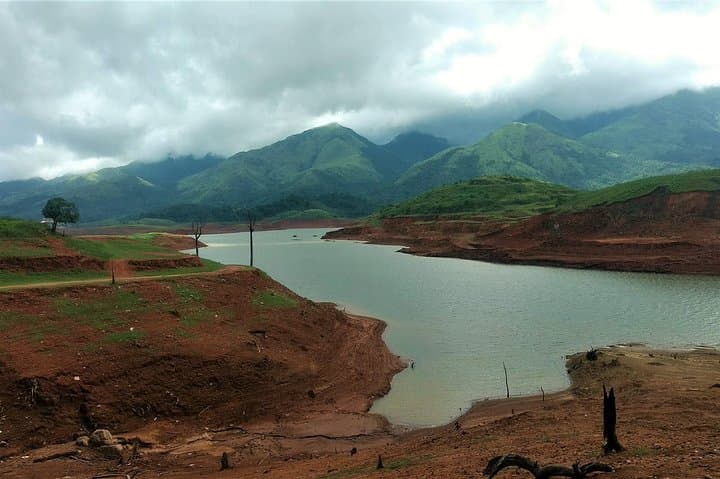
Wayanad sits on the northern edge of Kerala’s Western Ghats, a landscape carved from basalt and laterite with elevations around 700–1,100 meters. Human history here is agricultural and tribal: spice gardens, tea and coffee plots, and communities such as the Paniya and Kurichiya whose knowledge of the forest has long guided travelers. Geologically, seasonal streams have cut valleys that now host paddy fields and the occasional shola patch that shelters endemic birds.
A multi-day walking holiday in Wayanad balances village lanes, plantation trails and short forest sections. Daily distances commonly range from 6–12 km with modest elevation changes—expect a few short climbs up 200–400 meters over a day. Wildlife sightings can include elephants on distant ridgelines, Malabar giant squirrels and a rich roster of birdlife; encounters are typically from a distance.
Practically: travel light, carry 2–3 liters of water, and wear grippy trail shoes—the routes get slippery in rain. Plan around the monsoon (heavy June–September); best windows are October–February and spring (March–May) for clear skies and comfortable temperatures. Local guides add cultural context and navigation on unmarked plantation paths. For anyone wanting a paced, confidence-building multi-day walk that combines forest, spice gardens and village stays, Wayanad delivers accessible terrain with rewarding scenery and tactile local culture.
moderate.
2 days.
Suitable for people who can walk 6–12 km over uneven terrain and handle short climbs; basic endurance and stable ankles recommended
The best windows are October–February for cool, dry weather and March–May for clear skies before the monsoon; avoid June–September when heavy rains make trails hazardous.
Many plantation and village trails are unmarked; using a local guide is recommended for navigation and cultural access.
Walking on public trails and plantation roads usually doesn’t require permits, but entry to protected areas or wildlife sanctuaries may need permits or fees—check local rules.
You should be comfortable walking several hours a day on uneven terrain and handling short climbs; no technical climbing skills are needed.
Wayanad’s upland communities have long cultivated spices and coffee; colonial-era plantation patterns reshaped land use but traditional tribal knowledge remains central to forest stewardship.
The Western Ghats are a biodiversity hotspot; stick to trails, avoid feeding wildlife and support local guides to minimize impact and benefit community-based ecotourism.
Outdoers India operates guided outdoor trips and adventures with an emphasis on safety, stewardship, and memorable experiences.
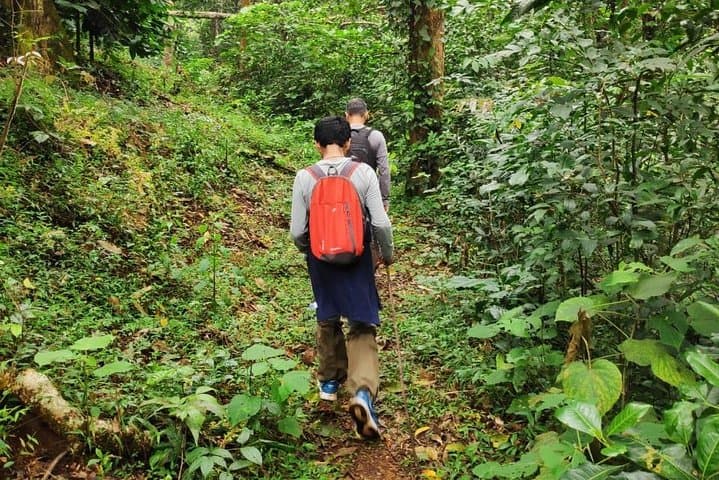
Dawn breaks over wet laterite ridges and the air smells of damp earth and crushed cardamom as a small group steps off a dusty lane and into a forest track. The track climbs gently, banana and pepper vines brushing sleeves, while the Western Ghats press in—ancient hills that shaped monsoon winds and the livelihoods here.
Dawn breaks over wet laterite ridges and the air smells of damp earth and crushed cardamom as a small group steps off a dusty lane and into a forest track. The track climbs gently, banana and pepper vines brushing sleeves, while the Western Ghats press in—ancient hills that shaped monsoon winds and the livelihoods here.
Wayanad sits on the northern edge of Kerala’s Western Ghats, a landscape carved from basalt and laterite with elevations around 700–1,100 meters. Human history here is agricultural and tribal: spice gardens, tea and coffee plots, and communities such as the Paniya and Kurichiya whose knowledge of the forest has long guided travelers. Geologically, seasonal streams have cut valleys that now host paddy fields and the occasional shola patch that shelters endemic birds.
A multi-day walking holiday in Wayanad balances village lanes, plantation trails and short forest sections. Daily distances commonly range from 6–12 km with modest elevation changes—expect a few short climbs up 200–400 meters over a day. Wildlife sightings can include elephants on distant ridgelines, Malabar giant squirrels and a rich roster of birdlife; encounters are typically from a distance.
Practically: travel light, carry 2–3 liters of water, and wear grippy trail shoes—the routes get slippery in rain. Plan around the monsoon (heavy June–September); best windows are October–February and spring (March–May) for clear skies and comfortable temperatures. Local guides add cultural context and navigation on unmarked plantation paths. For anyone wanting a paced, confidence-building multi-day walk that combines forest, spice gardens and village stays, Wayanad delivers accessible terrain with rewarding scenery and tactile local culture.