THE ADVENTURE COLLECTIVE® · Independent discovery and booking for outdoor travel

Train like a modern samurai for an hour in a Zen temple dojo in Kumamoto. Learn basic Hyoho Taisharyu sword forms, meditate, and practice etiquette under a senior practitioner’s guidance.
Train like a modern samurai for an hour in a Zen temple dojo in Kumamoto. Learn basic Hyoho Taisharyu sword forms, meditate, and practice etiquette under a senior practitioner’s guidance.
You step through a low wooden gate into cool shade; tatami whispers underfoot and the air tastes of cedar and incense. A single wooden sword rests on a low stand—simple, heavy with purpose. The instructor bows, voice quiet and exact. For the next hour you move with intent: footwork, breathing, cutting lines that teach balance as much as technique.
Verified experiences and guided adventures in the surrounding area.
Operated by 株式会社VISIT九州 · Kumamoto, Kumamoto Prefecture
You step through a low wooden gate into cool shade; tatami whispers underfoot and the air tastes of cedar and incense. A single wooden sword rests on a low stand—simple, heavy with purpose. The instructor bows, voice quiet and exact. For the next hour you move with intent: footwork, breathing, cutting lines that teach balance as much as technique.
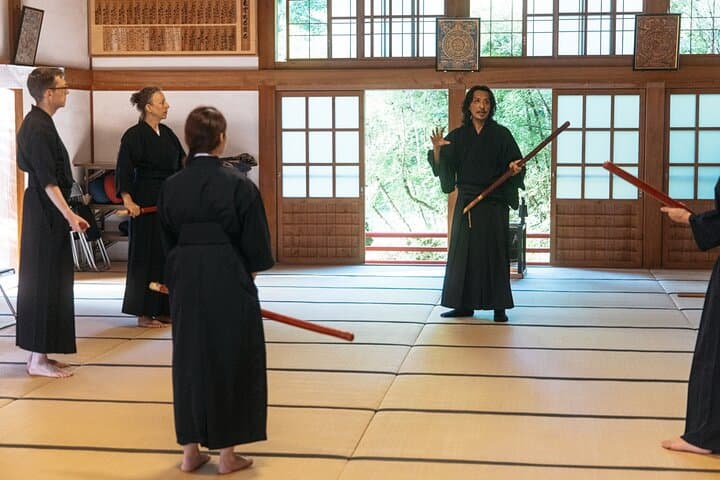
Hyoho Taisharyu is one of Japan’s classical kenjutsu traditions, preserved in pockets of western Japan where samurai once practiced discipline and meditation in temple dojos. The Zen temple setting is deliberate—meditation and sword work were paired historically to sharpen focus and steady the body. Expect austere architecture: sliding doors, exposed beams and a training floor that holds the sound of your steps.
This private session blends practical drills and guided zazen (seated meditation). You’ll wear a hakama provided by the host, learn basic kata, and receive individual corrections from a senior practitioner who conveys technique and the philosophy behind each motion. Classes favor experiential learning over spectacle—precision, posture and breath are prioritized.
Practical guidance: plan to arrive 10–15 minutes early to change and bow in. Light athletic clothing under the provided hakama works best; remove shoes in the dojo. The hour is physically demanding in short bursts—expect lunges, quick foot changes and core engagement. Not recommended for pregnant travelers or those with spinal or cardiovascular issues. Hydrate beforehand and brief any health concerns when booking.
This is a concentrated cultural encounter—part martial training, part meditation—ideal for travelers seeking a hands-on introduction to samurai practice in Kumamoto.
moderate.
1 hour.
Moderate level of fitness—good balance, basic mobility and light cardiovascular stamina are required
No; the session is designed for beginners and experienced practitioners alike, with instruction tailored to skill level.
A hakama is provided as part of the experience; wooden practice swords (bokken) are supplied—bring nothing extra unless instructed.
Participants should be in moderate physical health; it is not recommended for those with spinal injuries, serious heart conditions, or pregnancy—disclose health issues when booking.
Instruction is typically in Japanese with translation provided when necessary; confirm language support when booking to ensure comprehension.
Zen temples in western Japan historically hosted martial training, pairing seated meditation with swordsmanship to cultivate mental clarity and discipline.
Respect temple property by following footwear rules and noise guidelines; small groups minimize wear on historic interiors and help preserve sacred spaces.
株式会社VISIT九州 operates guided outdoor trips and adventures with an emphasis on safety, stewardship, and memorable experiences.
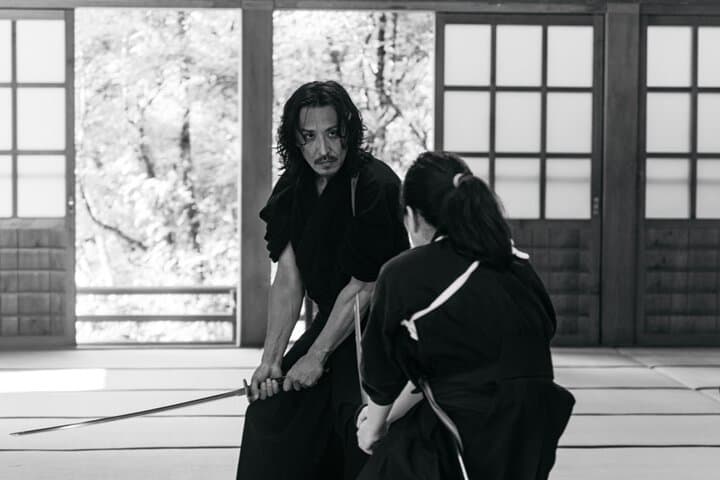
You step through a low wooden gate into cool shade; tatami whispers underfoot and the air tastes of cedar and incense. A single wooden sword rests on a low stand—simple, heavy with purpose. The instructor bows, voice quiet and exact. For the next hour you move with intent: footwork, breathing, cutting lines that teach balance as much as technique.
You step through a low wooden gate into cool shade; tatami whispers underfoot and the air tastes of cedar and incense. A single wooden sword rests on a low stand—simple, heavy with purpose. The instructor bows, voice quiet and exact. For the next hour you move with intent: footwork, breathing, cutting lines that teach balance as much as technique.
Hyoho Taisharyu is one of Japan’s classical kenjutsu traditions, preserved in pockets of western Japan where samurai once practiced discipline and meditation in temple dojos. The Zen temple setting is deliberate—meditation and sword work were paired historically to sharpen focus and steady the body. Expect austere architecture: sliding doors, exposed beams and a training floor that holds the sound of your steps.
This private session blends practical drills and guided zazen (seated meditation). You’ll wear a hakama provided by the host, learn basic kata, and receive individual corrections from a senior practitioner who conveys technique and the philosophy behind each motion. Classes favor experiential learning over spectacle—precision, posture and breath are prioritized.
Practical guidance: plan to arrive 10–15 minutes early to change and bow in. Light athletic clothing under the provided hakama works best; remove shoes in the dojo. The hour is physically demanding in short bursts—expect lunges, quick foot changes and core engagement. Not recommended for pregnant travelers or those with spinal or cardiovascular issues. Hydrate beforehand and brief any health concerns when booking.
This is a concentrated cultural encounter—part martial training, part meditation—ideal for travelers seeking a hands-on introduction to samurai practice in Kumamoto.