THE ADVENTURE COLLECTIVE® · Independent discovery and booking for outdoor travel

Explore Gattinara’s Nebbiolo hills on a guided 4‑hour hike or cycle that links ruined castles, devotional shrines and centuries‑old cellars. Expect mixed gravel and road terrain, volcanic soils, and exclusive tastings.
Explore Gattinara’s Nebbiolo hills on a guided 4‑hour hike or cycle that links ruined castles, devotional shrines and centuries‑old cellars. Expect mixed gravel and road terrain, volcanic soils, and exclusive tastings.
A cool morning wind cuts across the rows of Nebbiolo as riders clip in and walkers tighten boots—Gattinara’s hills wake slowly, terraces riffling like pages of local history. The route threads from the Torre delle Castelle past ruined keeps and the Castello di San Lorenzo, climbs into vineyards that seem to lean into the slope, then opens to sweeping views across Vercelli’s patchwork of fields toward the Alps.
Verified experiences and guided adventures in the surrounding area.
Operated by Vercellioutdoor · Gattinara, Piedmont
A cool morning wind cuts across the rows of Nebbiolo as riders clip in and walkers tighten boots—Gattinara’s hills wake slowly, terraces riffling like pages of local history. The route threads from the Torre delle Castelle past ruined keeps and the Castello di San Lorenzo, climbs into vineyards that seem to lean into the slope, then opens to sweeping views across Vercelli’s patchwork of fields toward the Alps.
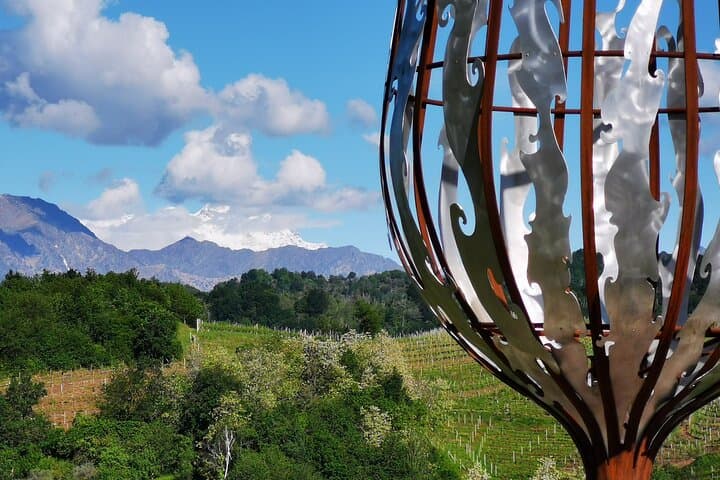
This is a landscape shaped by human hands and older fire: volcanic soils and glacial reshaping give Nebbiolo vines a stony minerality prized in local bottlings. The route follows traces of Fra Dolcino’s pilgrim paths and the devotional stops of the Santuario della Madonna Annunziata, while modern interventions—Ruben Bertoldo’s works on “La Via dei Calici”—add a contemporary cultural layer. Local cellars, some centuries-old, keep the region’s winemaking rituals visible and tangible.
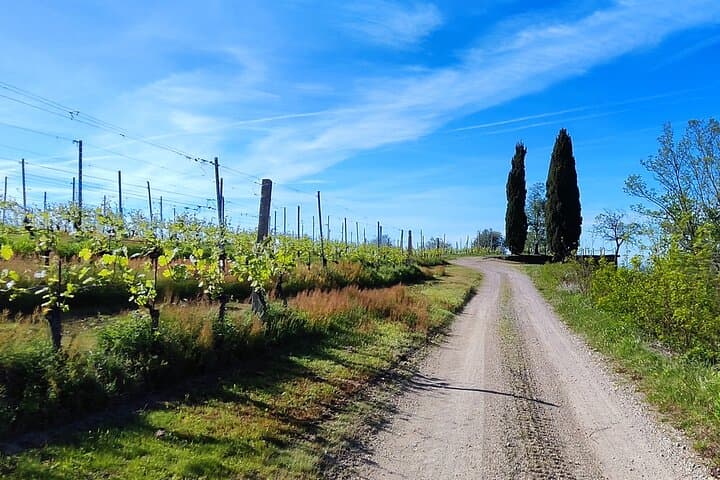
Practically, expect a mixed-surface route of paved backroads, compacted gravel, and singletrack farm tracks. Options suit MTB, e-MTB, gravel or hiking: typical 4-hour outings cover roughly 15–35 km with 300–700 m cumulative elevation gain depending on chosen loops. Guides provide mechanical support and arrange cellar tastings; moderate fitness and basic bike-handling skills are recommended. Pack water, layered clothing for shifting hilltop winds, solid shoes for short scrambles to ruins, and permit time for tastings and photos—this is a day where terrain and terroir both demand attention.
moderate.
4 hours.
Moderate fitness: comfortable with sustained climbs and several hours in the saddle or on foot.
Yes—e‑MTB and e‑gravel are suitable; guides can tailor the loop to battery range and rider ability.
Private guides commonly arrange cellar visits and tastings, but confirm inclusion when booking as some tastings may have extra cost.
Families with older children used to longer rides or hikes can participate, but very young children may find elevation and distance challenging.
Guided tours remove navigation concerns; self-guided cyclists should be comfortable following mapped loops on mixed surfaces.
Routes pass sites tied to medieval devotion and Fra Dolcino’s movement; the area’s winemaking dates back centuries and is central to local identity.
Vineyard management and guided tourism aim to limit off-trail erosion and support small producers; visitors are encouraged to respect private land and pack out waste.
Vercellioutdoor operates guided outdoor trips and adventures with an emphasis on safety, stewardship, and memorable experiences.
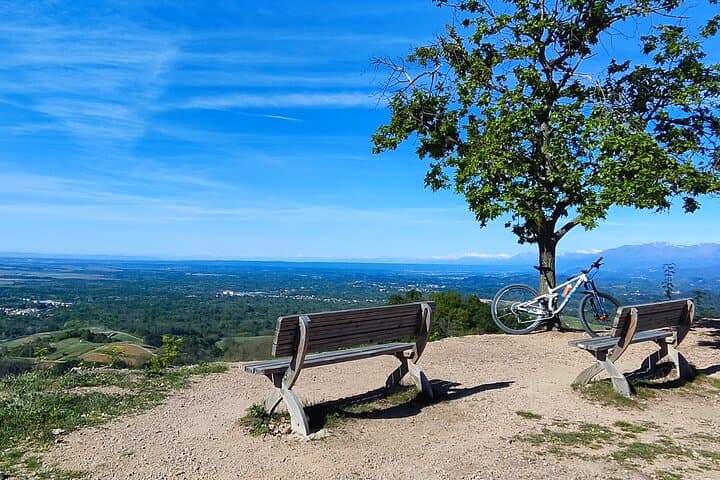
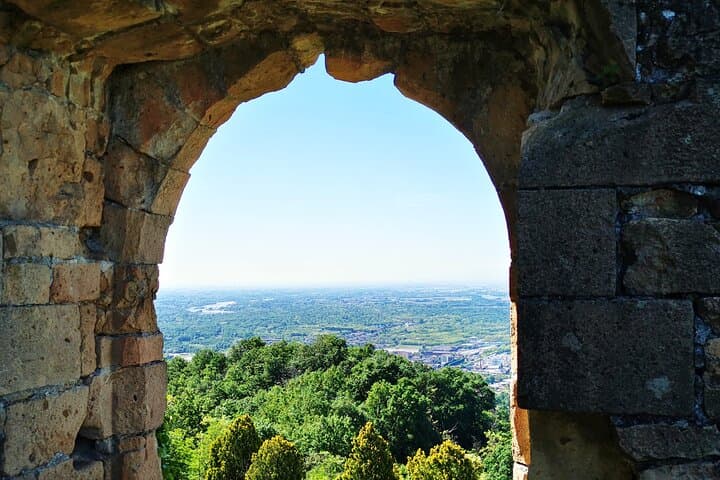
A cool morning wind cuts across the rows of Nebbiolo as riders clip in and walkers tighten boots—Gattinara’s hills wake slowly, terraces riffling like pages of local history. The route threads from the Torre delle Castelle past ruined keeps and the Castello di San Lorenzo, climbs into vineyards that seem to lean into the slope, then opens to sweeping views across Vercelli’s patchwork of fields toward the Alps.
A cool morning wind cuts across the rows of Nebbiolo as riders clip in and walkers tighten boots—Gattinara’s hills wake slowly, terraces riffling like pages of local history. The route threads from the Torre delle Castelle past ruined keeps and the Castello di San Lorenzo, climbs into vineyards that seem to lean into the slope, then opens to sweeping views across Vercelli’s patchwork of fields toward the Alps.
This is a landscape shaped by human hands and older fire: volcanic soils and glacial reshaping give Nebbiolo vines a stony minerality prized in local bottlings. The route follows traces of Fra Dolcino’s pilgrim paths and the devotional stops of the Santuario della Madonna Annunziata, while modern interventions—Ruben Bertoldo’s works on “La Via dei Calici”—add a contemporary cultural layer. Local cellars, some centuries-old, keep the region’s winemaking rituals visible and tangible.
Practically, expect a mixed-surface route of paved backroads, compacted gravel, and singletrack farm tracks. Options suit MTB, e-MTB, gravel or hiking: typical 4-hour outings cover roughly 15–35 km with 300–700 m cumulative elevation gain depending on chosen loops. Guides provide mechanical support and arrange cellar tastings; moderate fitness and basic bike-handling skills are recommended. Pack water, layered clothing for shifting hilltop winds, solid shoes for short scrambles to ruins, and permit time for tastings and photos—this is a day where terrain and terroir both demand attention.