THE ADVENTURE COLLECTIVE® · Independent discovery and booking for outdoor travel

A day-long sweep through WA’s wheatbelt that pairs the surreal granite curl of Wave Rock with York’s historic streets and Noongar cultural storytelling. Expect wildflower flashes in season, compact walks and a long but well-paced drive from Perth.
A day-long sweep through WA’s wheatbelt that pairs the surreal granite curl of Wave Rock with York’s historic streets and Noongar cultural storytelling. Expect wildflower flashes in season, compact walks and a long but well-paced drive from Perth.
The bus slips out of Perth before dawn and the city glass recedes into flat golden paddocks. By mid-morning the wheatbelt opens like a living map: low stone outcrops, wind-sheared gum trees and roadside swathes of wildflowers when spring is right. At Wave Rock the landscape suddenly speaks in granite—an enormous, curling wall that looks as if a giant ocean had frozen mid-swell.
Verified experiences and guided adventures in the surrounding area.
Operated by Australian Pinnacle Tours · Hyden, Western Australia
The bus slips out of Perth before dawn and the city glass recedes into flat golden paddocks. By mid-morning the wheatbelt opens like a living map: low stone outcrops, wind-sheared gum trees and roadside swathes of wildflowers when spring is right. At Wave Rock the landscape suddenly speaks in granite—an enormous, curling wall that looks as if a giant ocean had frozen mid-swell.
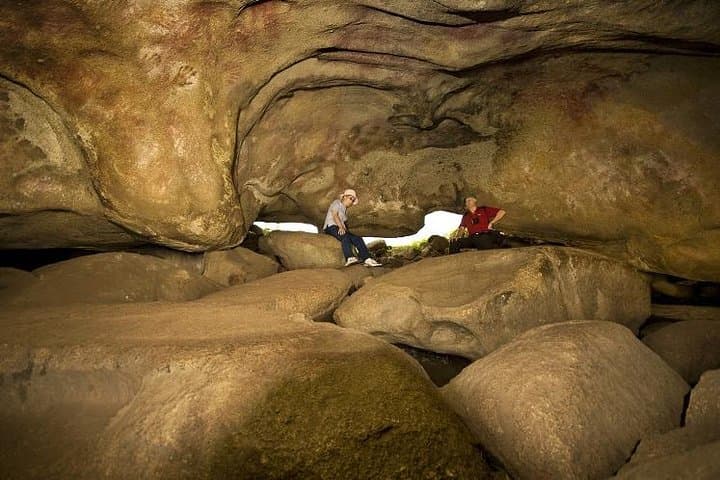
Wave Rock is not a photographic trick. The banded face is ancient—nearly 2.7 billion years old—and its colors tell a slow history of mineral staining, water flow and relentless weathering. The site sits east of Hyden and for Aboriginal communities the rock is a cultural place linked to the full-bodied story of Mulka; hand stencils and carved lines remind visitors that this is both a natural wonder and a living cultural landscape.
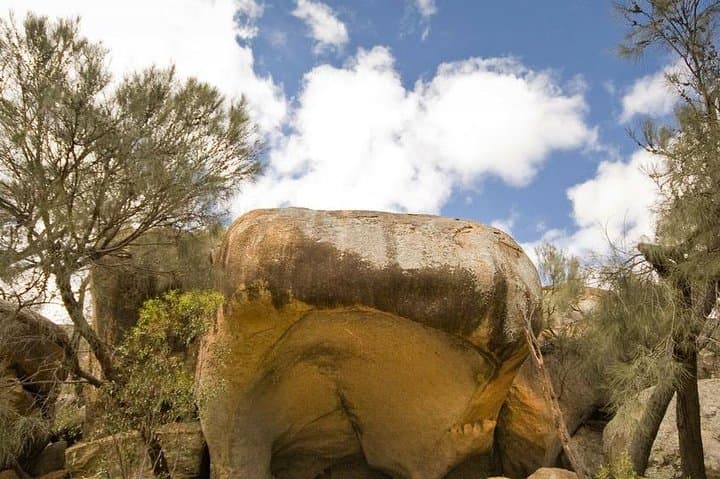
The day tour weaves together three types of experience: sensory geology at Wave Rock; the tidy colonial architecture and local museums of York, Western Australia’s first inland European settlement (established 1831); and a cultural session where a local Noongar guide explains creation stories and bush uses of native plants. There’s also Hippo’s Yawn, a smaller but characterful granite formation, and when the season is right, roadside verges flare with stamens and petals—everlasting daisies, hakeas and kangaroo paw that give the trip a botanical edge.
Practical rhythm matters: the full day is long—roughly 12–13 hours including hotel pickup—and much of it is driven time. The sightseeing at each stop involves short, easy walks on maintained paths and boardwalks; the Wave Rock circuit itself is under a kilometre but includes a set of stairs and viewpoints.
Bring sun protection and water—this is inland Western Australia where the sun exerts itself early. Wear sturdy walking shoes for uneven granite and pockets of red dust. If you want strong photos, aim for late afternoon when the rock’s bands warm to ochre and the sun lowers behind the western bush.
On-site guides keep the pace deliberate: time for a short bush tucker talk, a lunch stop with simple Aussie fare, and enough minutes at Wave Rock to walk the crest, peer into the wave face and visit Mulka’s Cave.
This day trip is ideal for travelers who want natural spectacle and cultural context without the logistics of self-driving; it’s an economical way to see deep-time geology, rural town character and living Aboriginal stories in a single, sharply framed day.
moderate.
12–13 hours.
Suitable for travelers with moderate fitness; involves several short walks on uneven terrain and stairs.
The round-trip day tour covers roughly 6–7 hours of driving total; expect about 3.5–4 hours each way depending on stops and traffic.
The tour includes an Aussie country-style lunch; bring extra snacks if you prefer specific dietary options and note allergies when booking.
Children are welcome but must be accompanied by an adult; infants are required to sit on a lap during transport.
You can walk the designated crest path and viewpoints but remain on marked trails—climbing outside these areas is discouraged to protect the rock and cultural sites.
There are paved paths at major viewpoints but some areas have steps or uneven surfaces; contact the operator about accessibility before booking.
Peak wildflower displays in the wheatbelt are typically August through October, but exact timing varies with winter rainfall.
York was established in 1831 as the first inland European settlement in Western Australia; the town retains many 19th-century buildings along its main street.
Wave Rock’s surfaces and nearby cultural features are sensitive; stick to boardwalks, avoid rock art areas and follow local guidance to reduce erosion and damage.
Australian Pinnacle Tours operates guided outdoor trips and adventures with an emphasis on safety, stewardship, and memorable experiences.
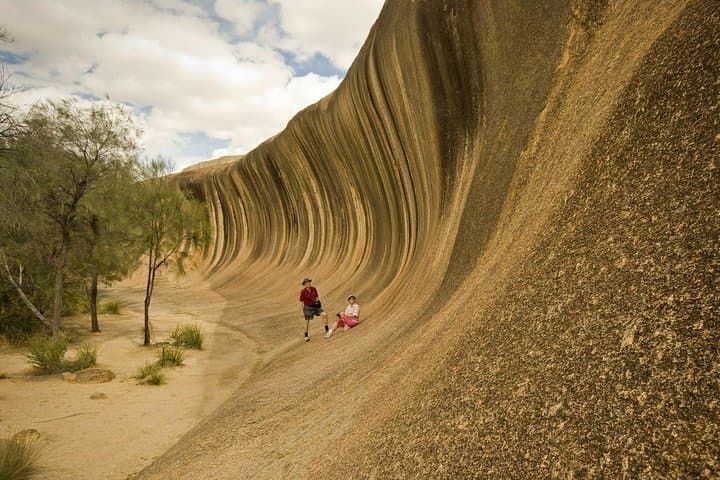
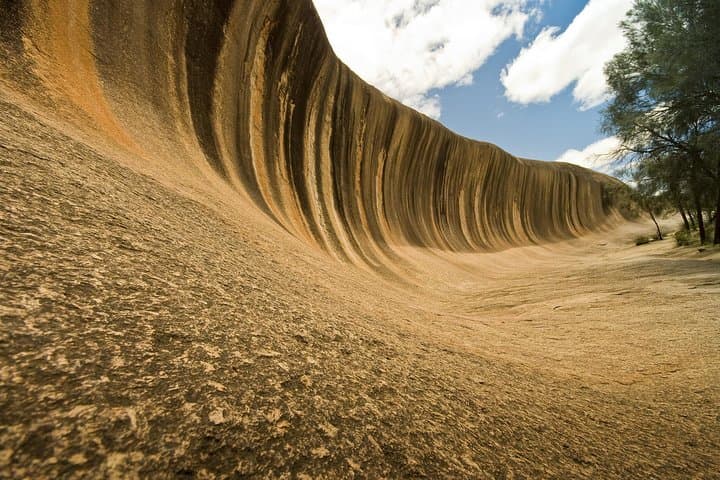
The bus slips out of Perth before dawn and the city glass recedes into flat golden paddocks. By mid-morning the wheatbelt opens like a living map: low stone outcrops, wind-sheared gum trees and roadside swathes of wildflowers when spring is right. At Wave Rock the landscape suddenly speaks in granite—an enormous, curling wall that looks as if a giant ocean had frozen mid-swell.
The bus slips out of Perth before dawn and the city glass recedes into flat golden paddocks. By mid-morning the wheatbelt opens like a living map: low stone outcrops, wind-sheared gum trees and roadside swathes of wildflowers when spring is right. At Wave Rock the landscape suddenly speaks in granite—an enormous, curling wall that looks as if a giant ocean had frozen mid-swell.
Wave Rock is not a photographic trick. The banded face is ancient—nearly 2.7 billion years old—and its colors tell a slow history of mineral staining, water flow and relentless weathering. The site sits east of Hyden and for Aboriginal communities the rock is a cultural place linked to the full-bodied story of Mulka; hand stencils and carved lines remind visitors that this is both a natural wonder and a living cultural landscape.
The day tour weaves together three types of experience: sensory geology at Wave Rock; the tidy colonial architecture and local museums of York, Western Australia’s first inland European settlement (established 1831); and a cultural session where a local Noongar guide explains creation stories and bush uses of native plants. There’s also Hippo’s Yawn, a smaller but characterful granite formation, and when the season is right, roadside verges flare with stamens and petals—everlasting daisies, hakeas and kangaroo paw that give the trip a botanical edge.
Practical rhythm matters: the full day is long—roughly 12–13 hours including hotel pickup—and much of it is driven time. The sightseeing at each stop involves short, easy walks on maintained paths and boardwalks; the Wave Rock circuit itself is under a kilometre but includes a set of stairs and viewpoints.
Bring sun protection and water—this is inland Western Australia where the sun exerts itself early. Wear sturdy walking shoes for uneven granite and pockets of red dust. If you want strong photos, aim for late afternoon when the rock’s bands warm to ochre and the sun lowers behind the western bush.
On-site guides keep the pace deliberate: time for a short bush tucker talk, a lunch stop with simple Aussie fare, and enough minutes at Wave Rock to walk the crest, peer into the wave face and visit Mulka’s Cave.
This day trip is ideal for travelers who want natural spectacle and cultural context without the logistics of self-driving; it’s an economical way to see deep-time geology, rural town character and living Aboriginal stories in a single, sharply framed day.