THE ADVENTURE COLLECTIVE® · Independent discovery and booking for outdoor travel

Discover Nottingham’s Victorian character on a 3 km guided walk focused on Watson Fothergill’s distinctive Gothic-influenced buildings. Expect ornate exteriors, local history, and practical guidance for an easy two-hour city stroll.
Discover Nottingham’s Victorian character on a 3 km guided walk focused on Watson Fothergill’s distinctive Gothic-influenced buildings. Expect ornate exteriors, local history, and practical guidance for an easy two-hour city stroll.
A late-morning in Nottingham starts with the city’s stone and brick breathing around you — narrow lanes opening to the broad sweep of Market Square, the Council House dome overhead, and the castle’s sandstone outcrop guarding the skyline. The Watson Fothergill walk threads through this urban fabric, placing ornate gables, carved terracotta and unexpected timbered façades into a story you can follow on foot.
Verified experiences and guided adventures in the surrounding area.
Operated by Lucy Brouwer: Watson Fothergill Walk · Nottingham, Nottinghamshire
A late-morning in Nottingham starts with the city’s stone and brick breathing around you — narrow lanes opening to the broad sweep of Market Square, the Council House dome overhead, and the castle’s sandstone outcrop guarding the skyline. The Watson Fothergill walk threads through this urban fabric, placing ornate gables, carved terracotta and unexpected timbered façades into a story you can follow on foot.
Watson Fothergill was a prolific Victorian architect whose Gothic-inflected designs reshaped Nottingham in the late 19th century; his work sits alongside the Lace Market’s industrial legacy and the medieval footprint of the Castle Quarter. Geology and industry meet here: Castle Rock’s sandstone gave the city its strategic heart while local mills and lace factories supplied the wealth that funded decorative civic architecture.
The guided route is about 3 km across mostly flat pavements, with stops at signature exteriors and a few off-street details often missed by casual sightseers. Guides explain building techniques, the symbolism carved into stone, and social history — from mercantile pride to the tastes that linked local patrons to national trends.
Practical guidance: wear sturdy shoes for pavements and occasional steps, bring a waterproof layer for changeable weather, and allow roughly two hours including short photo stops and a refreshment break at the end. The tour meets outside the Nottingham Tourism Centre on Smithy Row; arrivals by tram or bus are straightforward. This is accessible city walking suitable for most ages, offering an efficient, atmospheric way to read Victorian Nottingham through its architecture.
easy.
2 hours.
Suitable for most fitness levels; requires walking about 3 km on paved city streets.
Meet outside the Nottingham Tourism Centre on Smithy Row, next to the Council House in Market Square; guides usually wait near the main entrance.
Yes — the route is primarily on pavements and suitable for wheelchair users, though the guide notes a couple of steps in one area and recommends contacting the organiser if concerned.
No — the walk focuses on building exteriors and streetscape; guides will point out places where you can return later to go inside, such as certain pubs or converted buildings.
For a full refund cancel at least 24 hours before the scheduled departure time; the operator may cancel for bad weather or low bookings and will notify you in advance.
Watson Fothergill designed dozens of Nottingham buildings in the late 19th century, blending Gothic revival details with local decorative stone and terracotta to create a distinctive civic style.
Many Fothergill buildings are conservation-listed; visitors should stay on pavements, avoid touching fragile carvings, and support local heritage by following guide instructions.
Lucy Brouwer: Watson Fothergill Walk operates guided outdoor trips and adventures with an emphasis on safety, stewardship, and memorable experiences.

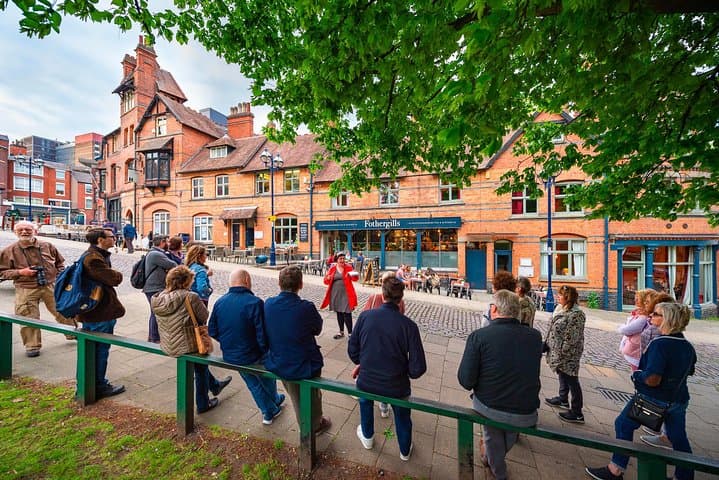
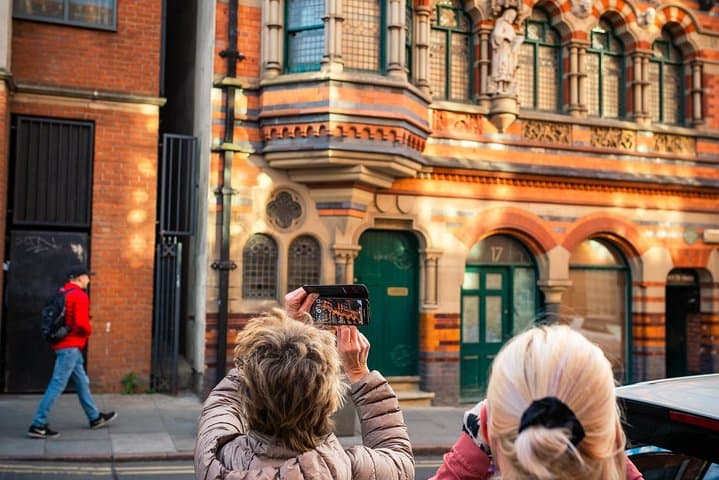
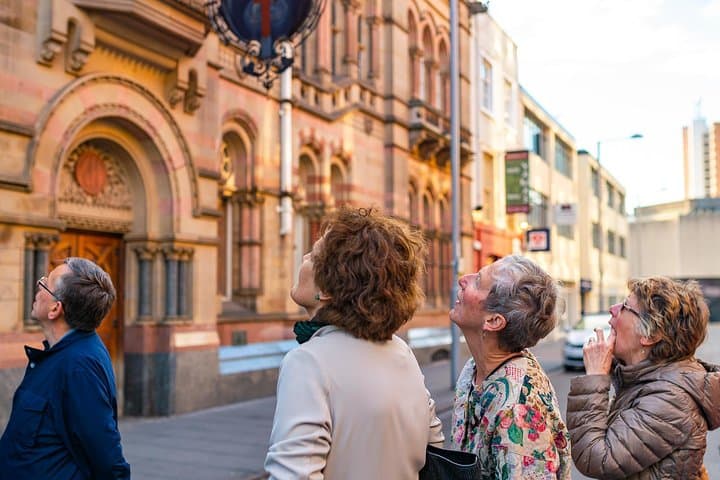
A late-morning in Nottingham starts with the city’s stone and brick breathing around you — narrow lanes opening to the broad sweep of Market Square, the Council House dome overhead, and the castle’s sandstone outcrop guarding the skyline. The Watson Fothergill walk threads through this urban fabric, placing ornate gables, carved terracotta and unexpected timbered façades into a story you can follow on foot.
A late-morning in Nottingham starts with the city’s stone and brick breathing around you — narrow lanes opening to the broad sweep of Market Square, the Council House dome overhead, and the castle’s sandstone outcrop guarding the skyline. The Watson Fothergill walk threads through this urban fabric, placing ornate gables, carved terracotta and unexpected timbered façades into a story you can follow on foot.
Watson Fothergill was a prolific Victorian architect whose Gothic-inflected designs reshaped Nottingham in the late 19th century; his work sits alongside the Lace Market’s industrial legacy and the medieval footprint of the Castle Quarter. Geology and industry meet here: Castle Rock’s sandstone gave the city its strategic heart while local mills and lace factories supplied the wealth that funded decorative civic architecture.
The guided route is about 3 km across mostly flat pavements, with stops at signature exteriors and a few off-street details often missed by casual sightseers. Guides explain building techniques, the symbolism carved into stone, and social history — from mercantile pride to the tastes that linked local patrons to national trends.
Practical guidance: wear sturdy shoes for pavements and occasional steps, bring a waterproof layer for changeable weather, and allow roughly two hours including short photo stops and a refreshment break at the end. The tour meets outside the Nottingham Tourism Centre on Smithy Row; arrivals by tram or bus are straightforward. This is accessible city walking suitable for most ages, offering an efficient, atmospheric way to read Victorian Nottingham through its architecture.