THE ADVENTURE COLLECTIVE® · Independent discovery and booking for outdoor travel

Walk from Little Prairie to Cameron Lake on a guided winter hike that blends slow-paced snowshoeing with natural and cultural storytelling. Expect microspikes or snowshoes, hot drinks at the lakeshore, and close-up winter wildlife viewing.
Walk from Little Prairie to Cameron Lake on a guided winter hike that blends slow-paced snowshoeing with natural and cultural storytelling. Expect microspikes or snowshoes, hot drinks at the lakeshore, and close-up winter wildlife viewing.
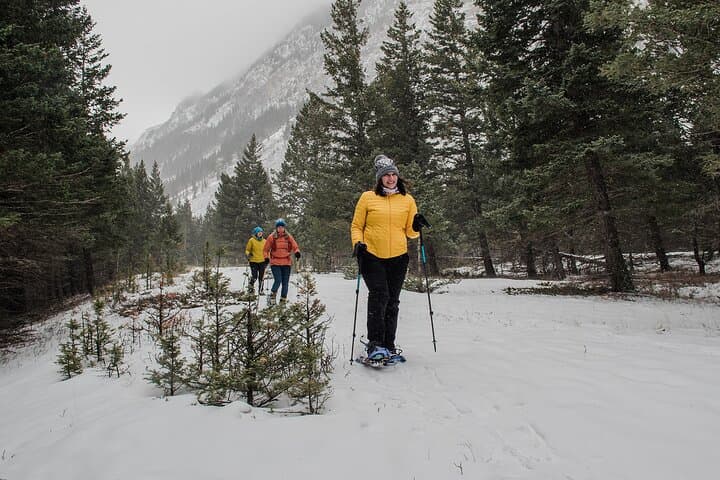
The trail opens with cold air that cuts sharp across the face and a small parade of crunching steps as your group fans out from the Little Prairie Day Use Area.
Verified experiences and guided adventures in the surrounding area.
Operated by Uplift Adventures · Waterton Park, Alberta
The trail opens with cold air that cuts sharp across the face and a small parade of crunching steps as your group fans out from the Little Prairie Day Use Area.
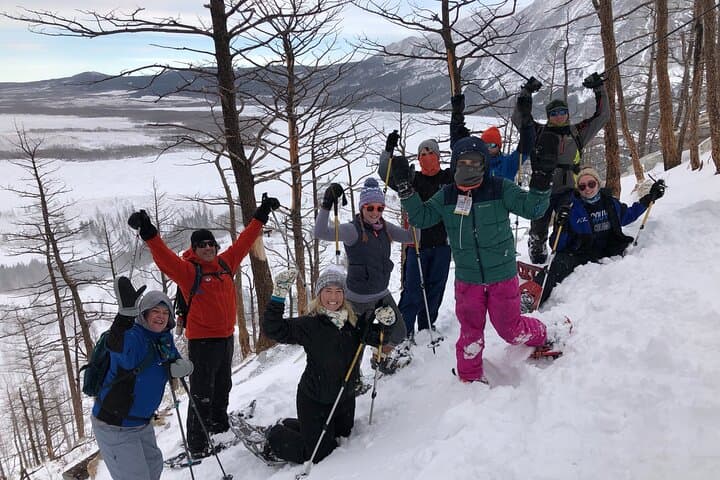
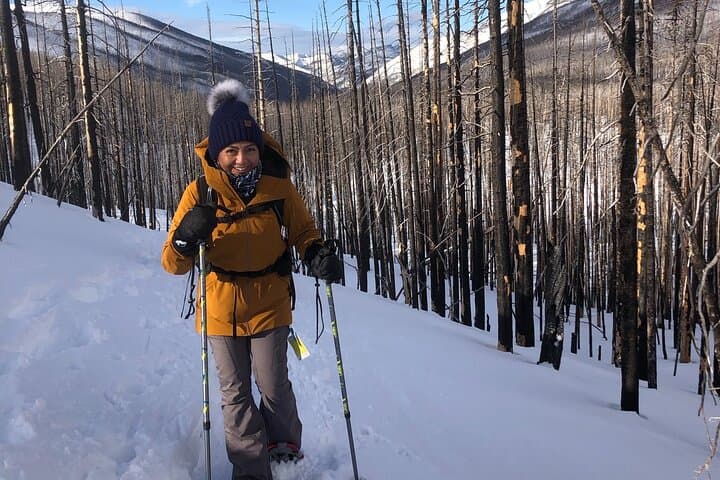
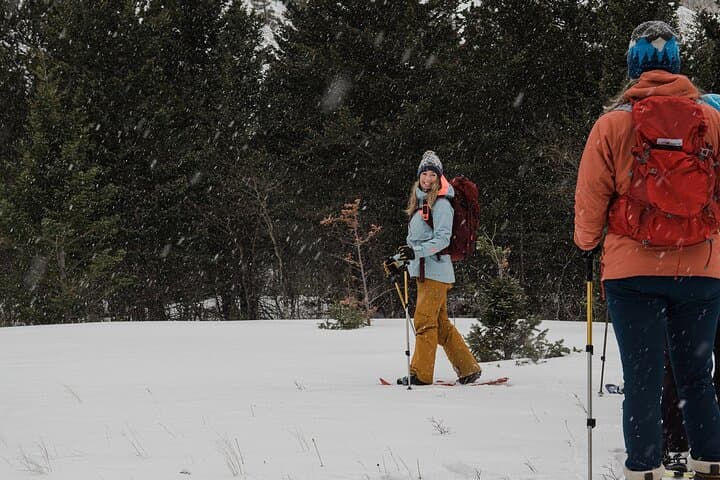
Snow clings to lodgepole pine and aspen; wind tugs at ragged cornices along the ridge. Guides fit microspikes or snowshoes and lead at a deliberate pace so the landscape can speak — the lake’s glass, the distant peak lines, the hush that falls when a raven calls.
Waterton sits where the Rockies tilt up from the plains: layered sedimentary rock thrust skyward by ancient plate collisions, carved by ice and river into the steep valleys you move through. The park is part of the Waterton-Glacier International Peace Park and lies on the traditional territories of the Blackfoot and other Indigenous peoples — histories and place-names that guides often weave into trail stories.
Cameron Lake greets you with a hot drink and a gourmet snack; slow moments here are part of the design. On the walk back you’ll trace the same quiet route, watching for bighorn sheep on sunny slopes and listening for the river daring the ice to break.
Practical guidance: expect a moderate winter hike of roughly three hours with short steep sections and packed-snow trails. Trails can be icy — guides provide spikes or snowshoes, but wear sturdy waterproof winter boots and layers. Bring sunscreen and eye protection for bright snow glare and carry extra water; winter air is deceptively drying.
The outing is interpretive as much as it is active — go ready to learn, to move carefully, and to leave no trace of your passage.
moderate.
3 hours.
Moderate fitness: comfortable walking on snow for several kilometers with short steep sections and periodic stops.
The outing is rated moderate: it’s three hours round-trip on packed snow with intermittent steeper pitches, led at a relaxed interpretive pace.
Yes — guides carry microspikes and snowshoes and will fit and distribute them based on trail conditions and participant needs.
Meet at Little Prairie Day Use Area in Waterton Lakes National Park; pit toilets (outhouses) are available at the trailhead.
The operator cancels for unsafe winter conditions; check confirmation details and expect a refund if canceled at least 24 hours in advance.
Waterton Lakes forms part of the Waterton-Glacier International Peace Park and sits on lands long used by Blackfoot and other Indigenous nations; parks history includes early conservation efforts and cross-border cooperation.
Winter travel concentrates on compact trails to limit vegetation damage and disturbance to wildlife; visitors are asked to follow Leave No Trace, avoid off-trail travel, and pack out all waste.
Uplift Adventures operates guided outdoor trips and adventures with an emphasis on safety, stewardship, and memorable experiences.
The trail opens with cold air that cuts sharp across the face and a small parade of crunching steps as your group fans out from the Little Prairie Day Use Area.
The trail opens with cold air that cuts sharp across the face and a small parade of crunching steps as your group fans out from the Little Prairie Day Use Area.
Snow clings to lodgepole pine and aspen; wind tugs at ragged cornices along the ridge. Guides fit microspikes or snowshoes and lead at a deliberate pace so the landscape can speak — the lake’s glass, the distant peak lines, the hush that falls when a raven calls.
Waterton sits where the Rockies tilt up from the plains: layered sedimentary rock thrust skyward by ancient plate collisions, carved by ice and river into the steep valleys you move through. The park is part of the Waterton-Glacier International Peace Park and lies on the traditional territories of the Blackfoot and other Indigenous peoples — histories and place-names that guides often weave into trail stories.
Cameron Lake greets you with a hot drink and a gourmet snack; slow moments here are part of the design. On the walk back you’ll trace the same quiet route, watching for bighorn sheep on sunny slopes and listening for the river daring the ice to break.
Practical guidance: expect a moderate winter hike of roughly three hours with short steep sections and packed-snow trails. Trails can be icy — guides provide spikes or snowshoes, but wear sturdy waterproof winter boots and layers. Bring sunscreen and eye protection for bright snow glare and carry extra water; winter air is deceptively drying.
The outing is interpretive as much as it is active — go ready to learn, to move carefully, and to leave no trace of your passage.