THE ADVENTURE COLLECTIVE® · Independent discovery and booking for outdoor travel

Spend 6–8 hours with a local guide exploring Yosemite’s ten signature waterfalls on a private, customizable tour. From mist-soaked hikes to car-side viewpoints, this day is timed to match peak flows and your fitness level.
Spend 6–8 hours with a local guide exploring Yosemite’s ten signature waterfalls on a private, customizable tour. From mist-soaked hikes to car-side viewpoints, this day is timed to match peak flows and your fitness level.
You step out beneath high granite and the valley breathes a wet, cool exhale—spray spooling from ledges, pine needles glinting with droplets, and cliffs that make you feel three-dimensional in a way city skylines never will. The meeting point at Curry Village is brisk and practical: a map in your guide’s hand, a short safety chat, then a route chosen for flow, light and the group’s appetite for walking versus driving.
Verified experiences and guided adventures in the surrounding area.
Operated by Wild Yosemite · Yosemite Valley, California
You step out beneath high granite and the valley breathes a wet, cool exhale—spray spooling from ledges, pine needles glinting with droplets, and cliffs that make you feel three-dimensional in a way city skylines never will. The meeting point at Curry Village is brisk and practical: a map in your guide’s hand, a short safety chat, then a route chosen for flow, light and the group’s appetite for walking versus driving.
This private, customizable day (6–8 hours) is a primer on Yosemite’s water architecture. The park’s falls are products of ice, uplift and time: glaciers carved U-shaped valleys, tectonics raised the Sierra and seasonal snowmelt channels water over sheer granite. Yosemite Falls, among the tallest in North America, traces the park’s geologic drama; Horsetail Fall stages an optical trick each February when sunset can ignite a “firefall” effect on its eastern face. Elsewhere, Vernal and Nevada Falls carve steps on the Merced River as it hurries toward the valley floor.
Culturally, the valley is Hetch Hetchy and Ahwahnee territory—Native Miwuk communities managed this landscape for millennia, then Euro-American visitors layered roads, camps and trails. Today, guides blend natural history with practical stewardship: expect a Leave No Trace briefing and notes on seasonal closures that dictate where it’s safe to go.
Practically, the day is flexible. A car-based itinerary lets you hop viewpoints—Tunnel View and Sentinel Bridge offer classic frames—while short hikes add intimacy: Mist Trail to Vernal Fall is steep, damp and loud; the footpath to Bridalveil demands only a brisk ten-minute walk but delivers close-up spray. Some routes include cumulative climbs up to 600 feet; the valley floor sits around 4,000 feet, so sun and altitude can combine to fatigue unprepared legs.
Timing is everything. Spring (March–June) is peak flow; late summer sees many cascades reduced to ribbons. Winter freezes create silver crusts and quiet, while fall storms can revive flows briefly. Guides will shape the day to maximize views and minimize queueing—your private window into the park means you move on your pace.
Bring water, waterproof layers and stout footwear. Carry your park pass and leave bulky food at the hotel; there are short stops for snacks but no catered meals. If you want the Horsetail “firefall,” plan a February visit and be ready for crowds and sunset timing. Otherwise, expect a full day of river voices, plunging air and granite light—Yosemite’s waterfalls will push you from quiet admiration into a clearer, wetter kind of wonder.
moderate.
6–8 hours.
Moderate fitness: able to handle short uphill sections and several hours of walking or standing.
Not always—visibility depends on season, road access and group pace; guides craft an itinerary to maximize high-quality views, but some falls may be skipped for safety or timing.
Meeting is at Curry Village pizza deck (Shuttle Bus stop 14) at 9:00 AM unless otherwise arranged; guides hold a map and will greet you there.
The tour includes reservation guidance and confirmation for park entry on the day of the trip, but you should carry proof of that reservation at the gate.
Hikes can range from easy (Bridalveil short walk) to moderate/steep (Mist Trail to Vernal/Nevada with stone steps and mist); expect up to 600 ft of climbing on some routes.
Yes—the tour is private and flexible; guides adjust stops to favor scenic drives, viewpoints or longer hikes based on your preference and energy levels.
Some viewpoints and sections are wheelchair accessible, and the operator notes accessibility—confirm at booking so the guide can plan an appropriate route.
Yosemite’s waterfalls were central to local Miwuk life long before Euro-American tourism; early conservationists like John Muir helped protect the valley’s rivers and cliffs in the late 19th century.
Guides emphasize Leave No Trace practices; stay on trails and avoid approaching wildlife to minimize human impact on fragile riverbanks and historic sites.
Wild Yosemite operates guided outdoor trips and adventures with an emphasis on safety, stewardship, and memorable experiences.


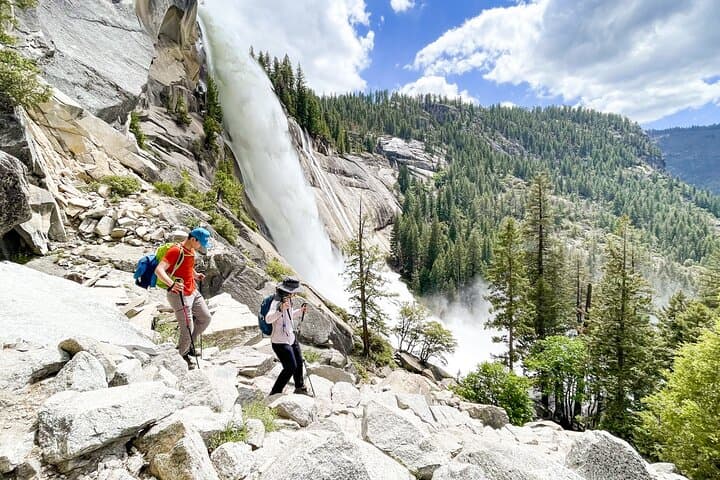
You step out beneath high granite and the valley breathes a wet, cool exhale—spray spooling from ledges, pine needles glinting with droplets, and cliffs that make you feel three-dimensional in a way city skylines never will. The meeting point at Curry Village is brisk and practical: a map in your guide’s hand, a short safety chat, then a route chosen for flow, light and the group’s appetite for walking versus driving.
You step out beneath high granite and the valley breathes a wet, cool exhale—spray spooling from ledges, pine needles glinting with droplets, and cliffs that make you feel three-dimensional in a way city skylines never will. The meeting point at Curry Village is brisk and practical: a map in your guide’s hand, a short safety chat, then a route chosen for flow, light and the group’s appetite for walking versus driving.
This private, customizable day (6–8 hours) is a primer on Yosemite’s water architecture. The park’s falls are products of ice, uplift and time: glaciers carved U-shaped valleys, tectonics raised the Sierra and seasonal snowmelt channels water over sheer granite. Yosemite Falls, among the tallest in North America, traces the park’s geologic drama; Horsetail Fall stages an optical trick each February when sunset can ignite a “firefall” effect on its eastern face. Elsewhere, Vernal and Nevada Falls carve steps on the Merced River as it hurries toward the valley floor.
Culturally, the valley is Hetch Hetchy and Ahwahnee territory—Native Miwuk communities managed this landscape for millennia, then Euro-American visitors layered roads, camps and trails. Today, guides blend natural history with practical stewardship: expect a Leave No Trace briefing and notes on seasonal closures that dictate where it’s safe to go.
Practically, the day is flexible. A car-based itinerary lets you hop viewpoints—Tunnel View and Sentinel Bridge offer classic frames—while short hikes add intimacy: Mist Trail to Vernal Fall is steep, damp and loud; the footpath to Bridalveil demands only a brisk ten-minute walk but delivers close-up spray. Some routes include cumulative climbs up to 600 feet; the valley floor sits around 4,000 feet, so sun and altitude can combine to fatigue unprepared legs.
Timing is everything. Spring (March–June) is peak flow; late summer sees many cascades reduced to ribbons. Winter freezes create silver crusts and quiet, while fall storms can revive flows briefly. Guides will shape the day to maximize views and minimize queueing—your private window into the park means you move on your pace.
Bring water, waterproof layers and stout footwear. Carry your park pass and leave bulky food at the hotel; there are short stops for snacks but no catered meals. If you want the Horsetail “firefall,” plan a February visit and be ready for crowds and sunset timing. Otherwise, expect a full day of river voices, plunging air and granite light—Yosemite’s waterfalls will push you from quiet admiration into a clearer, wetter kind of wonder.