THE ADVENTURE COLLECTIVE® · Independent discovery and booking for outdoor travel

A full-day loop from Kandy visits four of Sri Lanka’s most dramatic waterfalls—Devon, St. Clair, Dunsinane (Pundalu Oya) and Ramboda—threading tea estates, viewpoints and short walks. Ideal for travelers who want highland scenery and accessible trekking in a single day.
A full-day loop from Kandy visits four of Sri Lanka’s most dramatic waterfalls—Devon, St. Clair, Dunsinane (Pundalu Oya) and Ramboda—threading tea estates, viewpoints and short walks. Ideal for travelers who want highland scenery and accessible trekking in a single day.
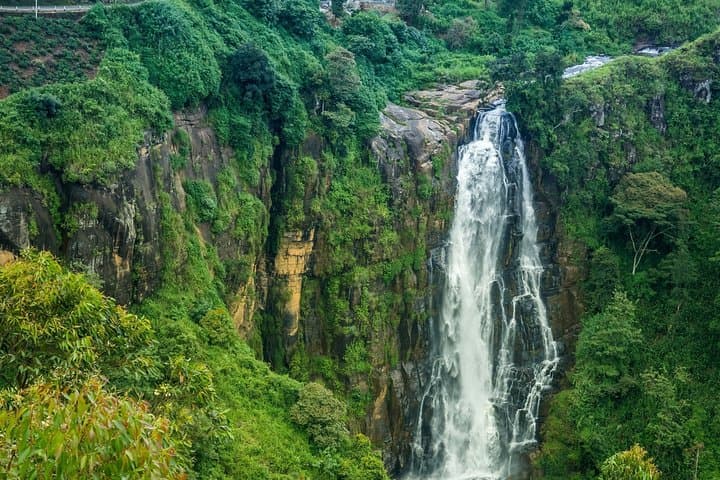
A misted road climbs out of Kandy and the first glimpse of Devon Falls appears between tea hedgerows—a curtain of white framed by rust-red earth and the distant railway line. The guide eases the vehicle to the shoulder; the wind that funnels down the valley feels like the country’s history being pushed past you.
Verified experiences and guided adventures in the surrounding area.
Operated by Ceylon Travel Dream · Kandy, Central Province
A misted road climbs out of Kandy and the first glimpse of Devon Falls appears between tea hedgerows—a curtain of white framed by rust-red earth and the distant railway line. The guide eases the vehicle to the shoulder; the wind that funnels down the valley feels like the country’s history being pushed past you.
This route follows the spine of Sri Lanka’s hill country, carved by ancient rivers that cut deep into Ohiya and the Kotmale basin. British-era tea estates and narrow-gauge railbeds map the cultural shift from forest to plantation; the stones and bridges you pass are as much industrial archaeology as they are scenery. Geologically the zone is Precambrian highland—hard rock uplifted and weathered into ridges that force rivers through steep drops, producing the falls you’ll visit.
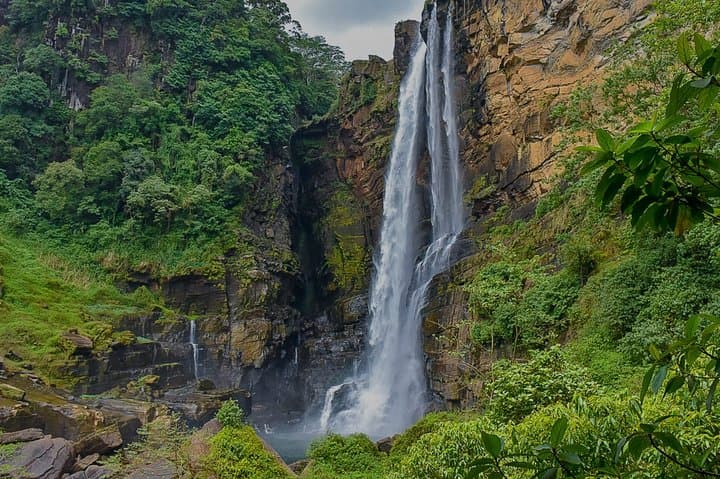
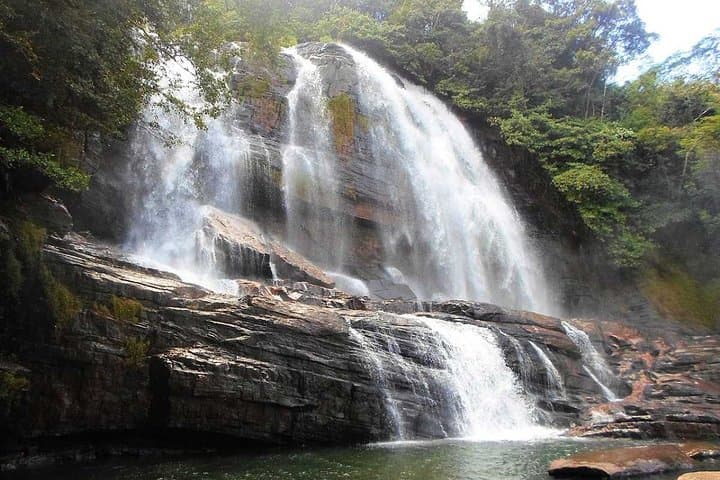
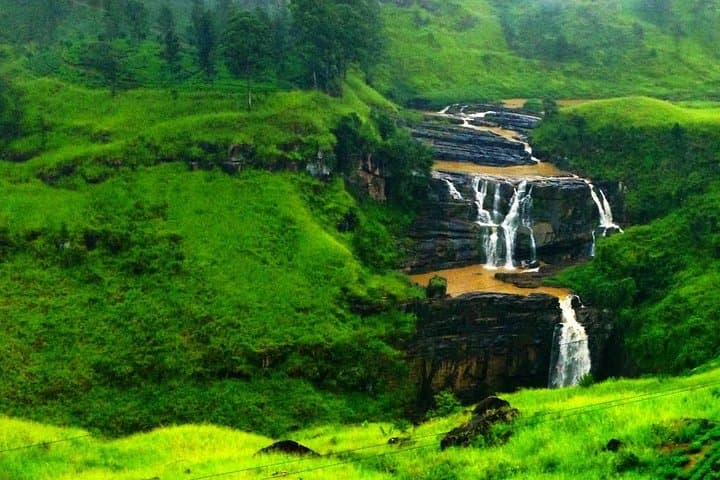
Expect a sequence of views: the roadside viewpoint and tea shop at Devon, the broad twin curtains of St. Clair (the “Little Niagara”), the stepped drama of Dunsinane (Pundalu Oya Ella), and the taller, cooler Ramboda with its short uphill approach.
Practically: the day is long (10–12 hours) but low technical demand—mostly short walks, viewpoints and one mild 2 km uphill on rough steps at Ramboda. Wear grippy shoes, carry a waterproof layer and water, and schedule the trip for morning light to avoid crowds at popular viewpoints. Photography windows shift fast as clouds move; keep smaller valuables dry and be ready for sudden spray near ledges. Guides handle transport and local logistics; your job is to watch the river daring you forward and to enjoy the steady, green discipline of Sri Lanka’s tea country.
moderate.
10–12 hours.
Moderate fitness required—able to handle several short walks, a 2 km uphill section and standing on uneven terrain for photos.
The tour runs about 10–12 hours (typically departing early morning) and returns to Kandy the same evening.
No technical hikes—most stops are short walks to viewpoints; Ramboda involves a mild 2 km uphill on rock steps.
Transportation includes bottled mineral water; lunch stops are provided at local restaurants but confirm dietary needs when booking.
Not recommended for those with serious back or heart conditions; some viewpoints require negotiating stairs and uneven ground.
This corridor reflects British colonial tea development; many roadside estates and stations date from the late 19th century when tea replaced earlier crops.
Highland erosion and litter from day-trippers are the primary concerns—stick to paths, carry out waste, and support local businesses that follow sustainable practices.
Ceylon Travel Dream operates guided outdoor trips and adventures with an emphasis on safety, stewardship, and memorable experiences.
A misted road climbs out of Kandy and the first glimpse of Devon Falls appears between tea hedgerows—a curtain of white framed by rust-red earth and the distant railway line. The guide eases the vehicle to the shoulder; the wind that funnels down the valley feels like the country’s history being pushed past you.
A misted road climbs out of Kandy and the first glimpse of Devon Falls appears between tea hedgerows—a curtain of white framed by rust-red earth and the distant railway line. The guide eases the vehicle to the shoulder; the wind that funnels down the valley feels like the country’s history being pushed past you.
This route follows the spine of Sri Lanka’s hill country, carved by ancient rivers that cut deep into Ohiya and the Kotmale basin. British-era tea estates and narrow-gauge railbeds map the cultural shift from forest to plantation; the stones and bridges you pass are as much industrial archaeology as they are scenery. Geologically the zone is Precambrian highland—hard rock uplifted and weathered into ridges that force rivers through steep drops, producing the falls you’ll visit.
Expect a sequence of views: the roadside viewpoint and tea shop at Devon, the broad twin curtains of St. Clair (the “Little Niagara”), the stepped drama of Dunsinane (Pundalu Oya Ella), and the taller, cooler Ramboda with its short uphill approach.
Practically: the day is long (10–12 hours) but low technical demand—mostly short walks, viewpoints and one mild 2 km uphill on rough steps at Ramboda. Wear grippy shoes, carry a waterproof layer and water, and schedule the trip for morning light to avoid crowds at popular viewpoints. Photography windows shift fast as clouds move; keep smaller valuables dry and be ready for sudden spray near ledges. Guides handle transport and local logistics; your job is to watch the river daring you forward and to enjoy the steady, green discipline of Sri Lanka’s tea country.