THE ADVENTURE COLLECTIVE® · Independent discovery and booking for outdoor travel

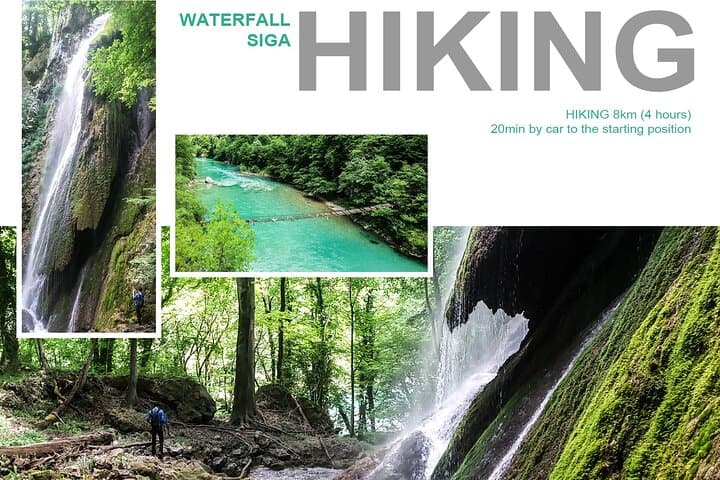
Follow a 4-hour guided trail into forested karst country to reach Siga — a seasonal waterfall framed by limestone terraces. This hike blends loose scree, singletrack and mossy viewpoints with private transport to the trailhead.
Follow a 4-hour guided trail into forested karst country to reach Siga — a seasonal waterfall framed by limestone terraces. This hike blends loose scree, singletrack and mossy viewpoints with private transport to the trailhead.
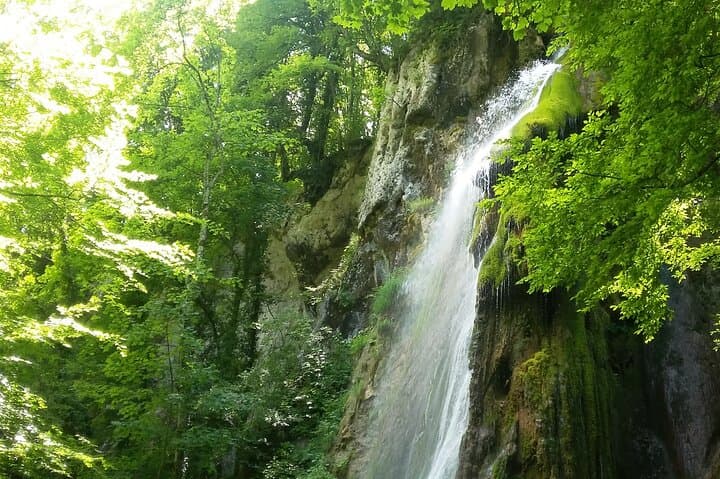
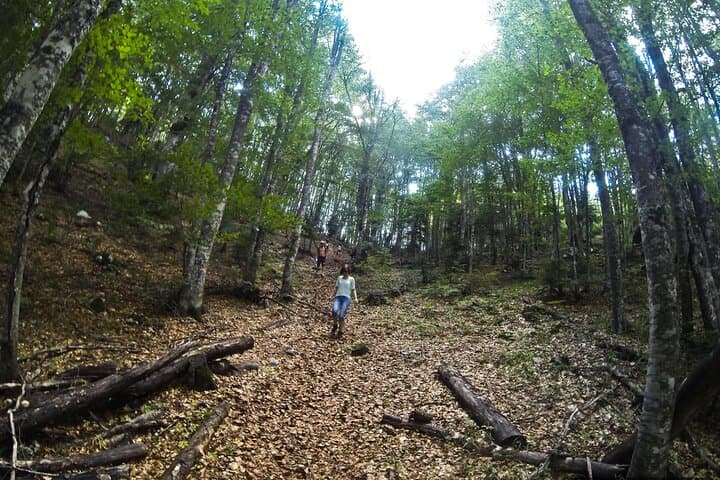
A narrow mountain track threads into beech and spruce; the forest closes behind you and the smell of damp leaf litter sharpens. After an easy climb the trees open and you hear it before you see it — water forcing itself through limestone, dropping in a white sheet over mossy rock. This is Siga: a waterfall that feels earned, reached by a four-hour guided trek that moves between gravel forest road and singletrack.
Verified experiences and guided adventures in the surrounding area.
Operated by Camp Grab · Plužine, Plužine Municipality
A narrow mountain track threads into beech and spruce; the forest closes behind you and the smell of damp leaf litter sharpens. After an easy climb the trees open and you hear it before you see it — water forcing itself through limestone, dropping in a white sheet over mossy rock. This is Siga: a waterfall that feels earned, reached by a four-hour guided trek that moves between gravel forest road and singletrack.
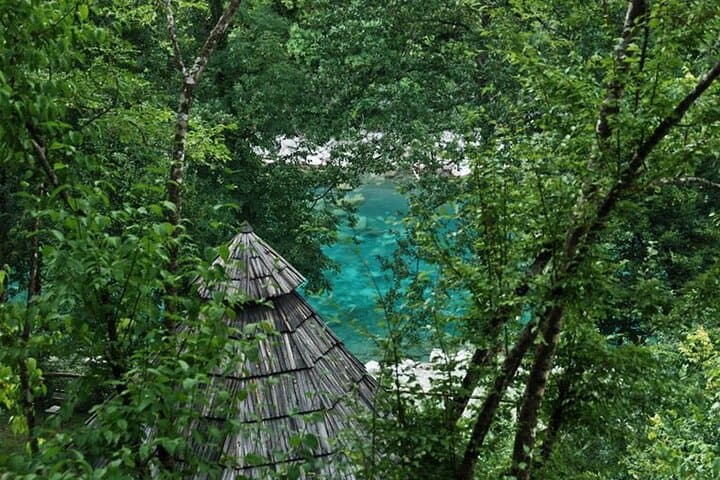
Montenegro’s interior is a product of karst geology — soluble limestone carved into canyons, sinkholes and abrupt cliffs. The route to Siga crosses these features in miniature: spring-fed streams, carved gullies and a sequence of terraces where small cascades gather into the main fall. The area’s history is rural and practical; shepherd routes and narrow logging roads hint at a long relationship between people and mountain pastures.
Expect roughly 6–8 km round-trip with 250–400 m of elevation gain on uneven terrain. The trail alternates compact dirt, loose scree and short steep sections; roots and wet stone near the falls demand steady footing. A private transportation transfer reduces approach logistics; guides often time the hike to avoid mid-day heat and to show the best viewpoints.
Practical prep: sturdy hiking shoes with good tread, rain shell, and at least 1.5 L water per person. Wear layered clothing — mornings can be cool in the forest, then warm in exposed sections. Plan for slippery rocks at the waterfall and limited cell signal; a guide’s local knowledge improves safety and helps you find photographic angles and quieter pockets of the gorge.
moderate.
4 hours.
Moderate fitness: comfortable walking on uneven terrain with several short steep pitches and 250–400 m of elevation gain.
The guided experience runs about four hours round-trip, covering roughly 6–8 km with 250–400 m elevation gain; difficulty is moderate with some steep and uneven sections.
Children used to hiking and active older adults can do the route, but it’s not recommended for those with serious mobility, spinal or cardiovascular issues; check with the operator if in doubt.
Expect limited cell signal and minimal facilities; use the private transfer to reach the trailhead and bring food, water and a basic first-aid kit.
Late spring through early fall offers the most reliable conditions; after heavy rains the trail may be slippery and operators can cancel for safety.
The area follows old pastoral routes used by local shepherds; scattered stone markers and seasonal huts reflect a history of transhumance in Montenegro’s highlands.
Stick to established paths to limit erosion; karst terrains are sensitive—avoid washing in streams and pack out all waste to protect springs and downstream water quality.
Camp Grab operates guided outdoor trips and adventures with an emphasis on safety, stewardship, and memorable experiences.
A narrow mountain track threads into beech and spruce; the forest closes behind you and the smell of damp leaf litter sharpens. After an easy climb the trees open and you hear it before you see it — water forcing itself through limestone, dropping in a white sheet over mossy rock. This is Siga: a waterfall that feels earned, reached by a four-hour guided trek that moves between gravel forest road and singletrack.
A narrow mountain track threads into beech and spruce; the forest closes behind you and the smell of damp leaf litter sharpens. After an easy climb the trees open and you hear it before you see it — water forcing itself through limestone, dropping in a white sheet over mossy rock. This is Siga: a waterfall that feels earned, reached by a four-hour guided trek that moves between gravel forest road and singletrack.
Montenegro’s interior is a product of karst geology — soluble limestone carved into canyons, sinkholes and abrupt cliffs. The route to Siga crosses these features in miniature: spring-fed streams, carved gullies and a sequence of terraces where small cascades gather into the main fall. The area’s history is rural and practical; shepherd routes and narrow logging roads hint at a long relationship between people and mountain pastures.
Expect roughly 6–8 km round-trip with 250–400 m of elevation gain on uneven terrain. The trail alternates compact dirt, loose scree and short steep sections; roots and wet stone near the falls demand steady footing. A private transportation transfer reduces approach logistics; guides often time the hike to avoid mid-day heat and to show the best viewpoints.
Practical prep: sturdy hiking shoes with good tread, rain shell, and at least 1.5 L water per person. Wear layered clothing — mornings can be cool in the forest, then warm in exposed sections. Plan for slippery rocks at the waterfall and limited cell signal; a guide’s local knowledge improves safety and helps you find photographic angles and quieter pockets of the gorge.