THE ADVENTURE COLLECTIVE® · Independent discovery and booking for outdoor travel

Clip in, lean back, and descend through a sheet of falling water in the Delaware Water Gap. This guided Poconos rappelling experience combines technical instruction with the raw thrill of vertical water routes.
Clip in, lean back, and descend through a sheet of falling water in the Delaware Water Gap. This guided Poconos rappelling experience combines technical instruction with the raw thrill of vertical water routes.
The rope hums as you clip in and the waterfall crests above — cold spray against your face, rock slick under your hands. Begin with a short forest approach through hemlock and oak, the sound of the Delaware River distant, then find yourself at the lip where gravity and water decide the pace.
Verified experiences and guided adventures in the surrounding area.
Operated by Stay Rad Climbing Guides · Delaware Water Gap, PA
The rope hums as you clip in and the waterfall crests above — cold spray against your face, rock slick under your hands. Begin with a short forest approach through hemlock and oak, the sound of the Delaware River distant, then find yourself at the lip where gravity and water decide the pace.
This part of the Poconos sits where ancient sediments folded and uplifted, carving steep gorges and hard quartzite ledges that now host cascading falls. The area was once traversed by the Lenape and later mapped by early American settlers using these river corridors for travel and mills. Today, sheltered valleys support mixed hardwoods and fern-carpeted banks, while nearby stone bridges and small towns preserve early 19th-century character.
Expect technical instruction before every descent: harness checks, belay technique, and a rehearsed lowering sequence. Routes vary by water flow — spring brings punchy currents and higher drops; summer offers cooler plunge pools; autumn frames the falls with vivid foliage. Guides typically provide helmets, harnesses, and climbing shoes; participants should be ready for wet ropework, exposed sections, and a steady hike in and out.
Practical tips: wear quick-dry layers, secure a small dry bag for essentials, and time trips outside midday to avoid cold morning flows. This is an activity best tackled with moderate fitness, a head for heights, and a respect for moving water. Leave no trace: ropes and anchors respect the rock, and personal gear should never alter the creek bed. The reward is immediate — descending through a living curtain of water, seeing the gorge from a viewpoint few earn.
challenging.
3 hours.
Moderate to fit—comfortable with steep approaches, exposure, and short bursts of upper-body effort
No—guides provide technical instruction and gear checks; prior experience helps but is not required.
Wear quick-dry clothes and sturdy approach shoes, bring water and a small dry bag; helmets, harnesses, and climbing shoes are typically provided.
Operators monitor conditions closely; trips are often canceled in heavy rain or unsafe high flows for participant safety.
Participants usually need moderate fitness and no serious spinal, heart, or pregnancy-related restrictions—check the operator's policy for age minimums.
The Delaware Water Gap corridor was historically used by Lenape people and later developed by 19th-century mill towns; the national recreation area preserves much of that river-cut landscape.
Stick to established approaches and avoid bolting or altering rock faces; practice leave-no-trace and pack out all waste to protect the sensitive riparian habitat.
Stay Rad Climbing Guides operates guided outdoor trips and adventures with an emphasis on safety, stewardship, and memorable experiences.
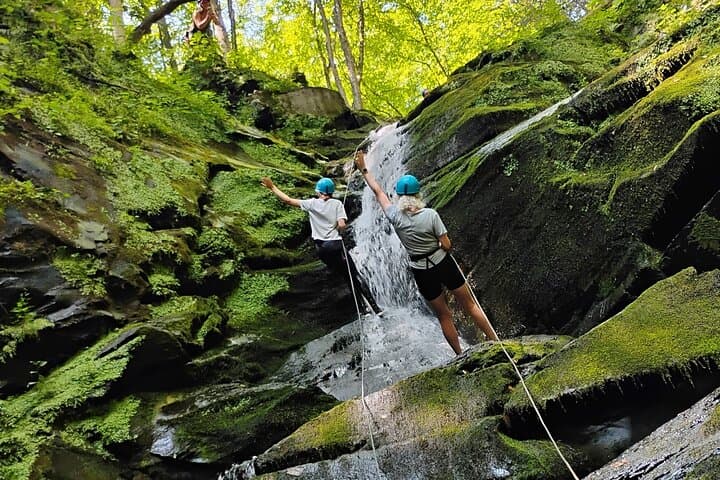
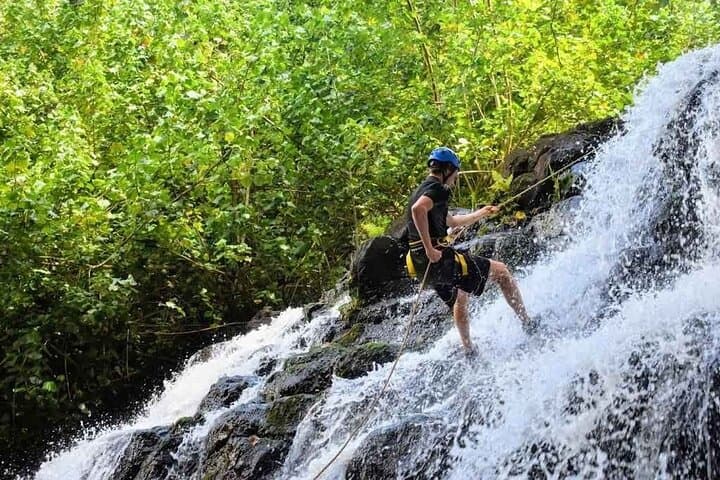
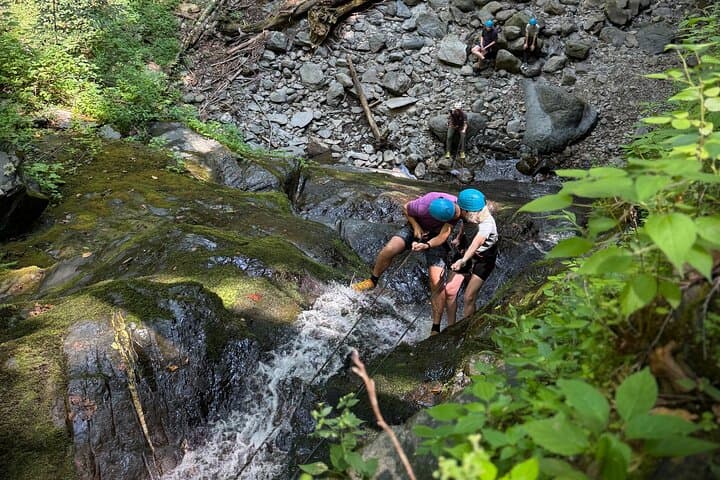
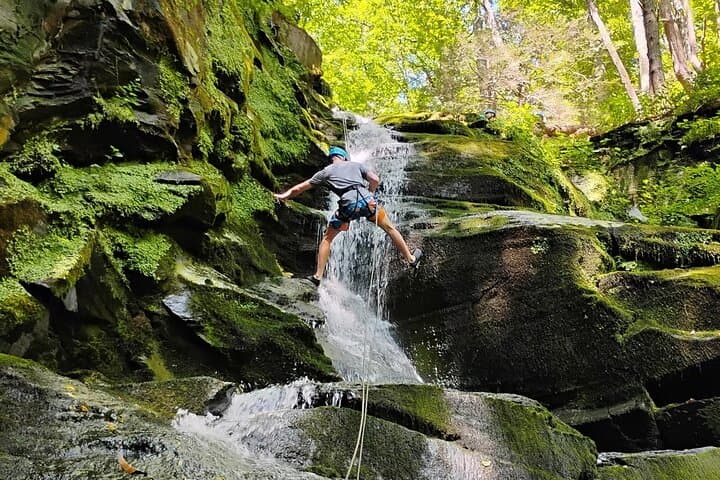
The rope hums as you clip in and the waterfall crests above — cold spray against your face, rock slick under your hands. Begin with a short forest approach through hemlock and oak, the sound of the Delaware River distant, then find yourself at the lip where gravity and water decide the pace.
The rope hums as you clip in and the waterfall crests above — cold spray against your face, rock slick under your hands. Begin with a short forest approach through hemlock and oak, the sound of the Delaware River distant, then find yourself at the lip where gravity and water decide the pace.
This part of the Poconos sits where ancient sediments folded and uplifted, carving steep gorges and hard quartzite ledges that now host cascading falls. The area was once traversed by the Lenape and later mapped by early American settlers using these river corridors for travel and mills. Today, sheltered valleys support mixed hardwoods and fern-carpeted banks, while nearby stone bridges and small towns preserve early 19th-century character.
Expect technical instruction before every descent: harness checks, belay technique, and a rehearsed lowering sequence. Routes vary by water flow — spring brings punchy currents and higher drops; summer offers cooler plunge pools; autumn frames the falls with vivid foliage. Guides typically provide helmets, harnesses, and climbing shoes; participants should be ready for wet ropework, exposed sections, and a steady hike in and out.
Practical tips: wear quick-dry layers, secure a small dry bag for essentials, and time trips outside midday to avoid cold morning flows. This is an activity best tackled with moderate fitness, a head for heights, and a respect for moving water. Leave no trace: ropes and anchors respect the rock, and personal gear should never alter the creek bed. The reward is immediate — descending through a living curtain of water, seeing the gorge from a viewpoint few earn.