THE ADVENTURE COLLECTIVE® · Independent discovery and booking for outdoor travel

Move from jungle trails to the rush of a canopy zipline in a single day. This guided excursion from Tamarindo pairs a river‑cut waterfall hike with multi‑line ziplines, local coffee and a traditional lunch.
Move from jungle trails to the rush of a canopy zipline in a single day. This guided excursion from Tamarindo pairs a river‑cut waterfall hike with multi‑line ziplines, local coffee and a traditional lunch.
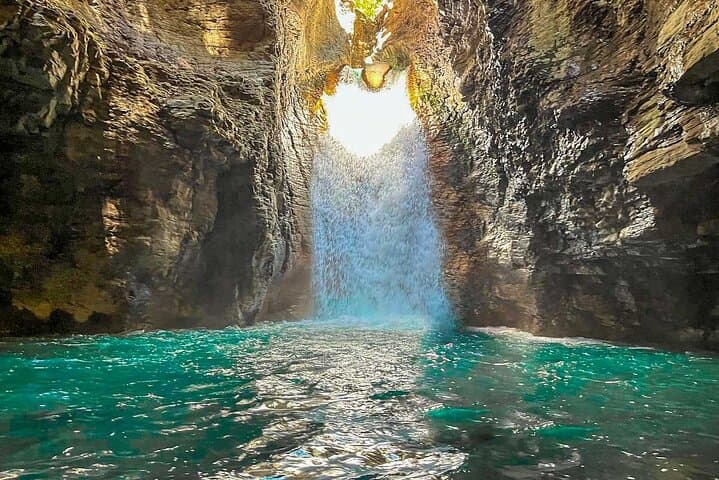
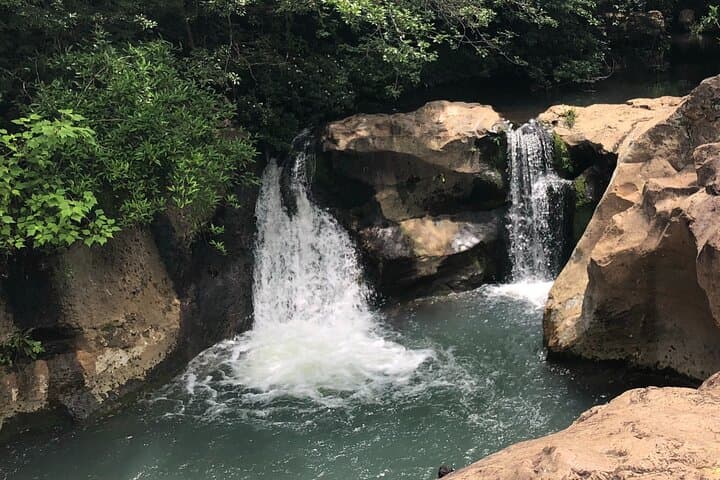
The day begins before the sun opens fully over the Pacific: an air‑conditioned shuttle slides out of Tamarindo and into a landscape that changes every kilometer — cacti and scrub give way to dense, green forest where humidity hangs like breath. A bilingual guide checks names, hands out binoculars and points to a thin blue ribbon on the map: the river that will lead to the waterfall. On the trail, birds call from the canopy and leaves slap softly in the wake of passing hikers. The river dares you closer with a cool, steady hiss; the waterfall greets you with that low, elemental roar that announces the geometry of rock and time.
Verified experiences and guided adventures in the surrounding area.
Operated by Costa Rica Tropical · Tamarindo, Guanacaste
The day begins before the sun opens fully over the Pacific: an air‑conditioned shuttle slides out of Tamarindo and into a landscape that changes every kilometer — cacti and scrub give way to dense, green forest where humidity hangs like breath. A bilingual guide checks names, hands out binoculars and points to a thin blue ribbon on the map: the river that will lead to the waterfall. On the trail, birds call from the canopy and leaves slap softly in the wake of passing hikers. The river dares you closer with a cool, steady hiss; the waterfall greets you with that low, elemental roar that announces the geometry of rock and time.
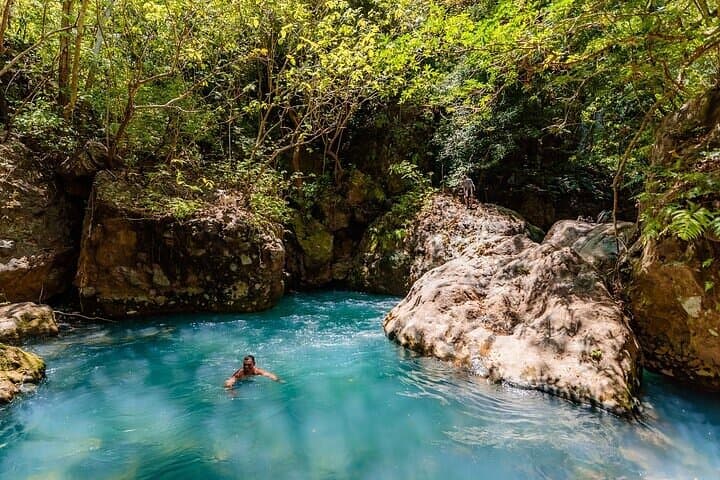
This route threads together natural history and local life. The watershed here is carved from volcanic soils that funnel into narrow channels; over millennia moving water has cut amphitheaters into volcanic bedrock, creating deep plunge pools ideal for bathing. The region is part of Guanacaste’s transition zone — where dry forests fold into wetter jungle — so the plant palette shifts as you climb: thorny bushes give way to kapok and heliconia. Guides often stop at a local farm for freshly roasted coffee, a cultural pause that underscores how agriculture and tourism coexist in small communities.
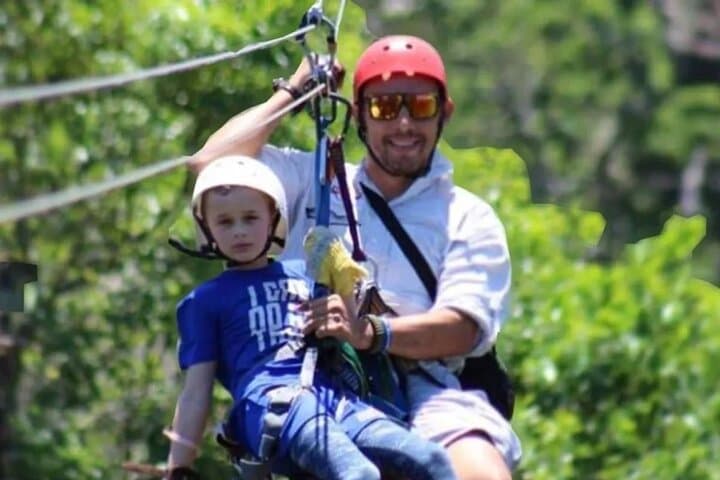
After the waterfall, lunch is a pragmatic, flavorful pause: a traditional casado or local plate tailored to dietary needs, eaten to the soundtrack of the forest. Then the tone changes; safety briefings replace biology lessons. The zipline course typically runs multiple lines across the canopy, with platforms 30–60 meters high and up to 1,500 meters of total cable — enough to see the treetops as a living roof and to feel the wind pull you forward in a way words can’t fully map.
Practical guidance: plan for a 5–10 hour outing that combines a roughly 4 km round‑trip hike with about 300 m of elevation gain; trail surfaces include packed earth, slippery rock and occasional stream crossings. Wear sturdy, closed‑toe hiking shoes with good grip; bring a lightweight rain shell, insect repellent and a waterproof bag for cameras. Start early to avoid midday heat and to increase wildlife sightings; guides adjust pace for fitness levels and offer on‑demand stops for birding and photos.
Wildlife is steady but shy: howler monkeys announce territory from high limbs, and toucans flash color in the canopy. Conservation is built into the itinerary — guides emphasize leave‑no‑trace, support local coffee growers, and route guests on durable paths to limit erosion. For travelers seeking a full‑bodied Costa Rican day — river, forest, local food and the pure physics of flying — this half‑to‑full‑day loop stitches together sensory highs with grounded logistics.
moderate.
5–10 hours.
Moderate fitness required—comfortable walking on uneven ground and short steep sections; guides adapt pace for groups.
The experience runs 5–10 hours depending on pickup location and whether you choose the half‑day or full‑day option.
Yes—staff provide a full safety briefing and harnessing; lines include guided braking and staff at platforms to assist first‑timers.
Operators usually set minimum ages and maximum weights for ziplines; confirm at booking and provide ages when you reserve.
Most itineraries allow swimming in the natural basin when conditions are safe; follow your guide’s direction about currents and rocks.
Private, air‑conditioned pickup from Tamarindo hotels is included—confirm your pickup point when booking.
Bilingual guides (English and Spanish) are provided to explain ecology, history and ensure safety.
The Guanacaste region blends Chorotega indigenous influence with colonial era ranching; local farms supply coffee and food that feature in the tour’s lunch.
Operators emphasize leave‑no‑trace practices, support local farmers with coffee stops and route guests on durable trails to reduce erosion.
Costa Rica Tropical operates guided outdoor trips and adventures with an emphasis on safety, stewardship, and memorable experiences.
The day begins before the sun opens fully over the Pacific: an air‑conditioned shuttle slides out of Tamarindo and into a landscape that changes every kilometer — cacti and scrub give way to dense, green forest where humidity hangs like breath. A bilingual guide checks names, hands out binoculars and points to a thin blue ribbon on the map: the river that will lead to the waterfall. On the trail, birds call from the canopy and leaves slap softly in the wake of passing hikers. The river dares you closer with a cool, steady hiss; the waterfall greets you with that low, elemental roar that announces the geometry of rock and time.
The day begins before the sun opens fully over the Pacific: an air‑conditioned shuttle slides out of Tamarindo and into a landscape that changes every kilometer — cacti and scrub give way to dense, green forest where humidity hangs like breath. A bilingual guide checks names, hands out binoculars and points to a thin blue ribbon on the map: the river that will lead to the waterfall. On the trail, birds call from the canopy and leaves slap softly in the wake of passing hikers. The river dares you closer with a cool, steady hiss; the waterfall greets you with that low, elemental roar that announces the geometry of rock and time.
This route threads together natural history and local life. The watershed here is carved from volcanic soils that funnel into narrow channels; over millennia moving water has cut amphitheaters into volcanic bedrock, creating deep plunge pools ideal for bathing. The region is part of Guanacaste’s transition zone — where dry forests fold into wetter jungle — so the plant palette shifts as you climb: thorny bushes give way to kapok and heliconia. Guides often stop at a local farm for freshly roasted coffee, a cultural pause that underscores how agriculture and tourism coexist in small communities.
After the waterfall, lunch is a pragmatic, flavorful pause: a traditional casado or local plate tailored to dietary needs, eaten to the soundtrack of the forest. Then the tone changes; safety briefings replace biology lessons. The zipline course typically runs multiple lines across the canopy, with platforms 30–60 meters high and up to 1,500 meters of total cable — enough to see the treetops as a living roof and to feel the wind pull you forward in a way words can’t fully map.
Practical guidance: plan for a 5–10 hour outing that combines a roughly 4 km round‑trip hike with about 300 m of elevation gain; trail surfaces include packed earth, slippery rock and occasional stream crossings. Wear sturdy, closed‑toe hiking shoes with good grip; bring a lightweight rain shell, insect repellent and a waterproof bag for cameras. Start early to avoid midday heat and to increase wildlife sightings; guides adjust pace for fitness levels and offer on‑demand stops for birding and photos.
Wildlife is steady but shy: howler monkeys announce territory from high limbs, and toucans flash color in the canopy. Conservation is built into the itinerary — guides emphasize leave‑no‑trace, support local coffee growers, and route guests on durable paths to limit erosion. For travelers seeking a full‑bodied Costa Rican day — river, forest, local food and the pure physics of flying — this half‑to‑full‑day loop stitches together sensory highs with grounded logistics.