THE ADVENTURE COLLECTIVE® · Independent discovery and booking for outdoor travel

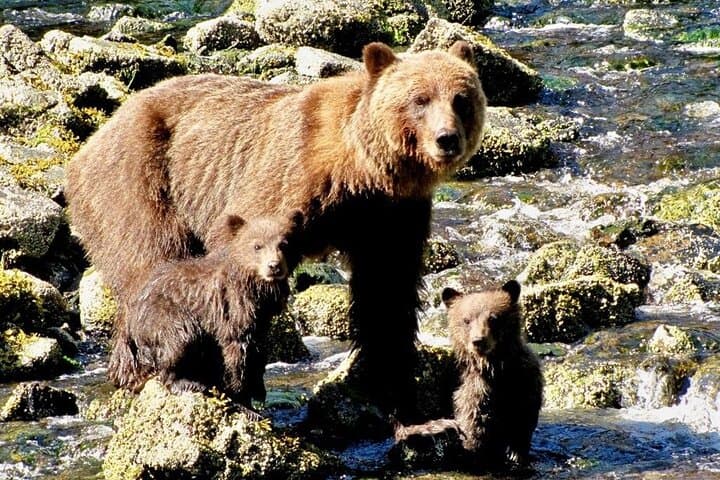
Float 25 minutes from Juneau and watch grizzly bears fish beneath a waterfall at Waterfall Creek. Private, family-friendly tours include certified guides, rain gear, and scope viewing—best mid-July through September.
Float 25 minutes from Juneau and watch grizzly bears fish beneath a waterfall at Waterfall Creek. Private, family-friendly tours include certified guides, rain gear, and scope viewing—best mid-July through September.
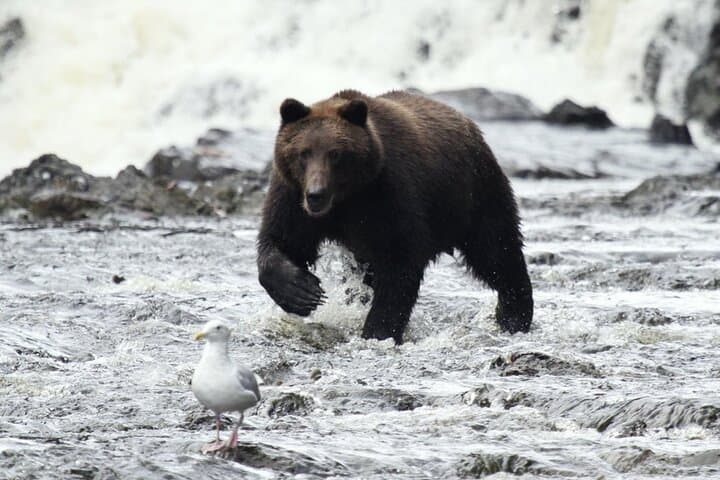
You step onto the floatplane at a Juneau dock as the Tongass rainforest slides below—shades of green and glassy channels, a scatter of islands, and the promise of a river where bears wait. The plane settles near a creek where a modest waterfall slows migrating salmon; guides shepherd you to a safe observation zone and the rhythm of the place takes over: the water, the fish, the patient arc of a grizzly’s paw.
Verified experiences and guided adventures in the surrounding area.
Operated by Bear Creek Outfitters · Juneau, Alaska
You step onto the floatplane at a Juneau dock as the Tongass rainforest slides below—shades of green and glassy channels, a scatter of islands, and the promise of a river where bears wait. The plane settles near a creek where a modest waterfall slows migrating salmon; guides shepherd you to a safe observation zone and the rhythm of the place takes over: the water, the fish, the patient arc of a grizzly’s paw.
Waterfall Creek has been a focused bear-viewing site for decades. The geology of Southeast Alaska—glacially carved valleys and steep coastal streams—creates salmon runs that draw bears each summer. Local Tlingit history and modern guide practices overlap here: fishing camps and seasonal harvests have long followed these runs, and today licensed guides manage viewing to protect animals and people.
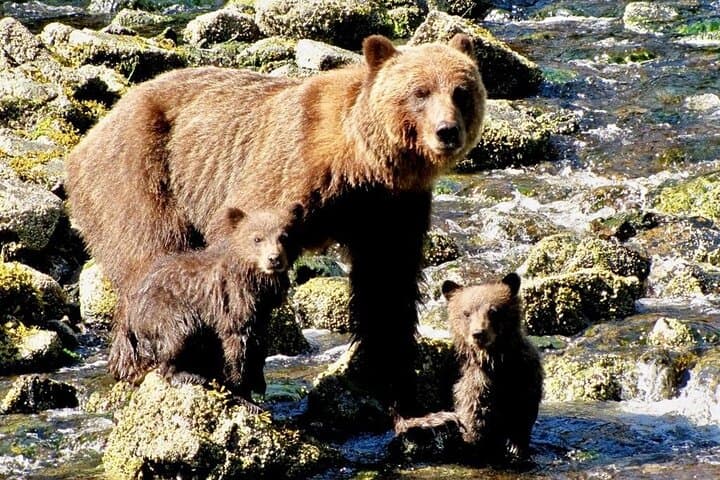
On a private tour you’ll typically fly 25 minutes from Juneau, then spend up to four hours tracking bears 20–75 yards from shore. Expect to see multiple bears during peak season (mid-July through September), plus bald eagles and ravens; whales or sea lions are occasional plane sightings.
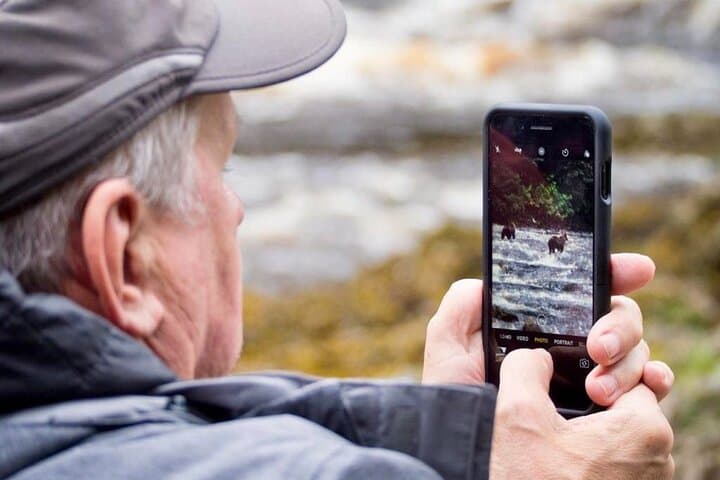
Practical guidance: wear layered, waterproof clothing and sturdy boots; bring a camera with a mid-telephoto (200–400mm preferred) and binoculars provided if needed. Stay with your guide, follow distance rules, and conserve battery and memory—good shots can come quickly. These tours are family-friendly (children as young as six), operate weather-dependent, and prioritize permits and safety. Leave no trace, respect wildlife behavior, and plan extra time in Juneau for flight contingencies.
easy.
5–6 hours.
Minimal fitness required; participants should be able to board a floatplane and walk short, uneven shoreline sections.
Mid-July through the end of September is peak salmon-run season and offers the highest likelihood of seeing bears actively fishing.
Viewing is typically 20–75 yards from the bears; guides maintain a safe, permitted distance and use scopes to enhance viewing.
Yes—children as young as six can join private tours, but infants must sit on an adult’s lap during transport and floatplane procedures.
Trips are weather-dependent; the operator may cancel or reschedule flights for safety and will notify guests in advance when possible.
Local Tlingit communities have long relied on salmon runs; modern guided viewing is regulated to balance visitor access with traditional use and animal welfare.
Operators work under permits and best-practice viewing standards to minimize disturbance; visitors should avoid baiting or making sudden movements and pack out all waste.
Bear Creek Outfitters operates guided outdoor trips and adventures with an emphasis on safety, stewardship, and memorable experiences.
You step onto the floatplane at a Juneau dock as the Tongass rainforest slides below—shades of green and glassy channels, a scatter of islands, and the promise of a river where bears wait. The plane settles near a creek where a modest waterfall slows migrating salmon; guides shepherd you to a safe observation zone and the rhythm of the place takes over: the water, the fish, the patient arc of a grizzly’s paw.
You step onto the floatplane at a Juneau dock as the Tongass rainforest slides below—shades of green and glassy channels, a scatter of islands, and the promise of a river where bears wait. The plane settles near a creek where a modest waterfall slows migrating salmon; guides shepherd you to a safe observation zone and the rhythm of the place takes over: the water, the fish, the patient arc of a grizzly’s paw.
Waterfall Creek has been a focused bear-viewing site for decades. The geology of Southeast Alaska—glacially carved valleys and steep coastal streams—creates salmon runs that draw bears each summer. Local Tlingit history and modern guide practices overlap here: fishing camps and seasonal harvests have long followed these runs, and today licensed guides manage viewing to protect animals and people.
On a private tour you’ll typically fly 25 minutes from Juneau, then spend up to four hours tracking bears 20–75 yards from shore. Expect to see multiple bears during peak season (mid-July through September), plus bald eagles and ravens; whales or sea lions are occasional plane sightings.
Practical guidance: wear layered, waterproof clothing and sturdy boots; bring a camera with a mid-telephoto (200–400mm preferred) and binoculars provided if needed. Stay with your guide, follow distance rules, and conserve battery and memory—good shots can come quickly. These tours are family-friendly (children as young as six), operate weather-dependent, and prioritize permits and safety. Leave no trace, respect wildlife behavior, and plan extra time in Juneau for flight contingencies.