THE ADVENTURE COLLECTIVE® · Independent discovery and booking for outdoor travel

A full-day walking tour from Moshi that combines a coffee farm visit with a foothills hike to a cooling waterfall beneath Kilimanjaro’s lower slopes. Expect village paths, volcanic soils, and a hands-on look at Tanzanian coffee.
A full-day walking tour from Moshi that combines a coffee farm visit with a foothills hike to a cooling waterfall beneath Kilimanjaro’s lower slopes. Expect village paths, volcanic soils, and a hands-on look at Tanzanian coffee.
You step off the air-conditioned van into a wash of warm mountain air and the mountain looms — Kilimanjaro’s lower slopes pressing against the sky while the village paths peel away into green.
Verified experiences and guided adventures in the surrounding area.
Operated by Siret Trip · Moshi, Kilimanjaro
You step off the air-conditioned van into a wash of warm mountain air and the mountain looms — Kilimanjaro’s lower slopes pressing against the sky while the village paths peel away into green.
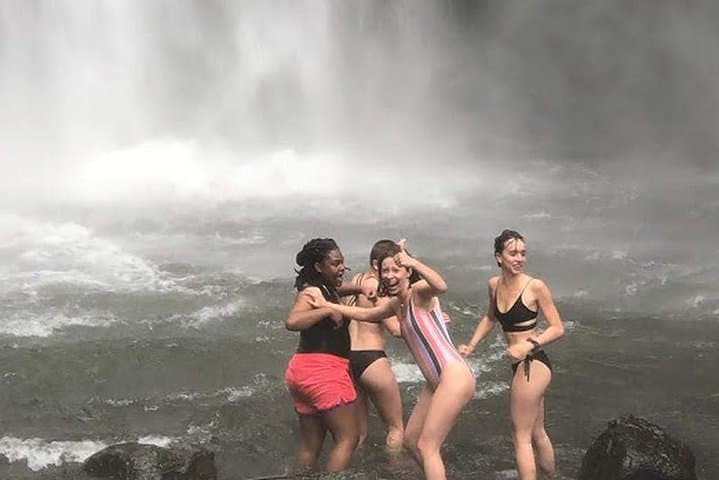
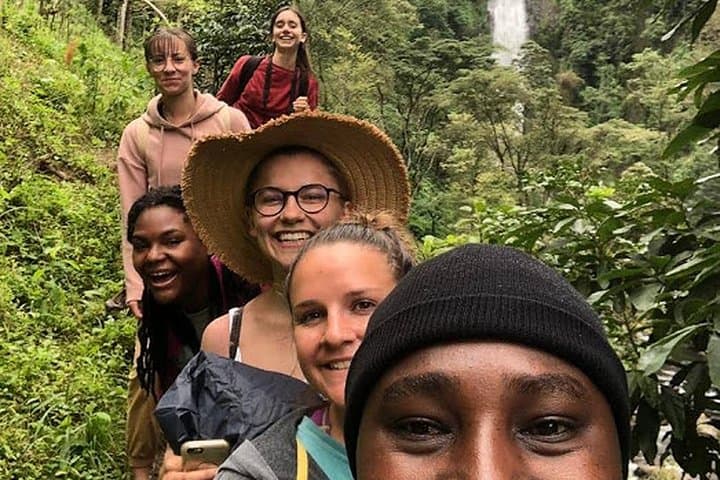
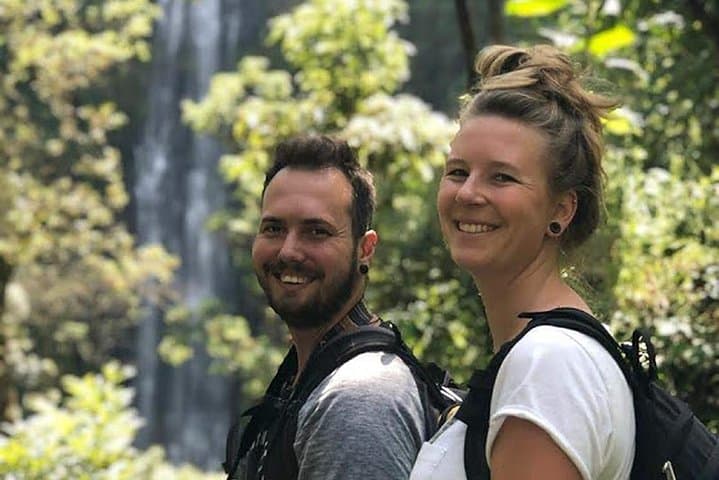
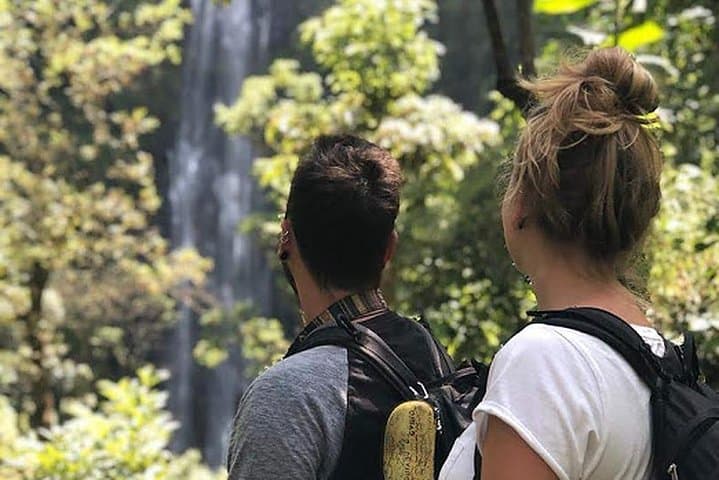
The route threads through working farms and smallholder coffee plots, past a village compound and up a rough footpath until the sound of falling water draws you through a fern-lined chute to a cool plunge pool. The walk is intimate: village children wave from doorways, drying beans rustle on mats, and the river occasionally dares you to follow it downstream.
Geologically, this is volcanic foothill country — old lava and rich volcanic soils that made coffee cultivation here possible and shaped the steep gullies that gather runoff into the waterfalls. Culturally, the experience pairs a short interpretive coffee tour — from cherry to cup — with local hospitality and a simple lunch in Moshi town.
Practically, expect mixed terrain: dirt tracks, occasional rock steps, and muddy sections after rain. The full day runs about six hours including transport, lunch, and coffee demonstration. Wear sturdy shoes with grip, bring sun protection and at least 1–2 liters of water, and carry a light rain shell; the weather on Kilimanjaro’s flank can change quickly. Fitness needs are moderate: steady walking with some short climbs, but no technical scrambling. Guides typically handle permits and local access, and tours are often private with cancel-for-bad-weather policies. This day tour is a compact way to feel Kilimanjaro’s presence, learn about Tanzanian coffee, and finish the day cooled by a waterfall’s spray.
moderate.
6 hours.
Suitable for someone with moderate fitness who can walk for several hours and handle short uphill sections.
The full experience is about six hours including transport, lunch, and the coffee demonstration; the walking segments typically total 2–3 hours with short ascents.
Yes — the route is non-technical and suitable for a wide range of ages, though those with serious back or heart conditions should avoid it.
Yes — the tour includes a coffee demonstration and tasting that explains local processing from cherry to cup.
Most operators cancel or reschedule if conditions make the waterfall access unsafe; confirm the provider’s bad-weather policy when booking.
The Kilimanjaro foothills have long been farmed by Chagga communities who developed intensive hillside agriculture and early coffee cultivation that dates back to the late 19th and early 20th centuries.
Tourism supports local economies but can strain water and trail resources; stick to paths, avoid single-use plastics, and follow your guide’s local-waste guidance.
Siret Trip operates guided outdoor trips and adventures with an emphasis on safety, stewardship, and memorable experiences.
You step off the air-conditioned van into a wash of warm mountain air and the mountain looms — Kilimanjaro’s lower slopes pressing against the sky while the village paths peel away into green.
You step off the air-conditioned van into a wash of warm mountain air and the mountain looms — Kilimanjaro’s lower slopes pressing against the sky while the village paths peel away into green.
The route threads through working farms and smallholder coffee plots, past a village compound and up a rough footpath until the sound of falling water draws you through a fern-lined chute to a cool plunge pool. The walk is intimate: village children wave from doorways, drying beans rustle on mats, and the river occasionally dares you to follow it downstream.
Geologically, this is volcanic foothill country — old lava and rich volcanic soils that made coffee cultivation here possible and shaped the steep gullies that gather runoff into the waterfalls. Culturally, the experience pairs a short interpretive coffee tour — from cherry to cup — with local hospitality and a simple lunch in Moshi town.
Practically, expect mixed terrain: dirt tracks, occasional rock steps, and muddy sections after rain. The full day runs about six hours including transport, lunch, and coffee demonstration. Wear sturdy shoes with grip, bring sun protection and at least 1–2 liters of water, and carry a light rain shell; the weather on Kilimanjaro’s flank can change quickly. Fitness needs are moderate: steady walking with some short climbs, but no technical scrambling. Guides typically handle permits and local access, and tours are often private with cancel-for-bad-weather policies. This day tour is a compact way to feel Kilimanjaro’s presence, learn about Tanzanian coffee, and finish the day cooled by a waterfall’s spray.