THE ADVENTURE COLLECTIVE® · Independent discovery and booking for outdoor travel

Walk the Water of Leith from Dean Village toward Colinton on a guided tour that pairs urban wildlife viewing with industrial and social history. Expect river habitats, historic mills and village stops with easy access back to Edinburgh.
Walk the Water of Leith from Dean Village toward Colinton on a guided tour that pairs urban wildlife viewing with industrial and social history. Expect river habitats, historic mills and village stops with easy access back to Edinburgh.
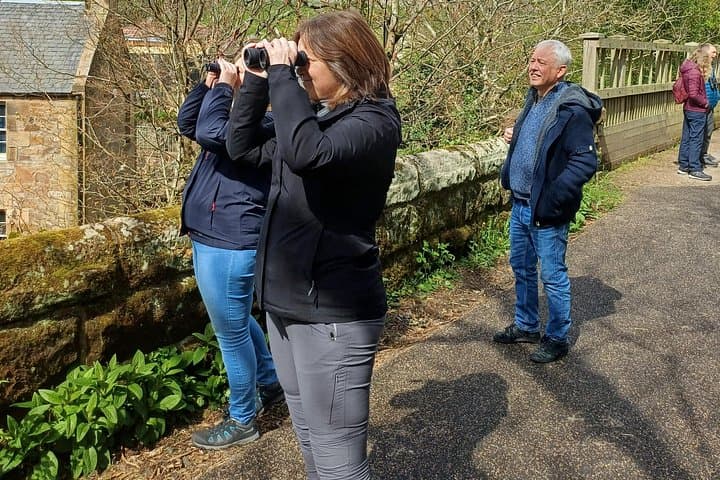
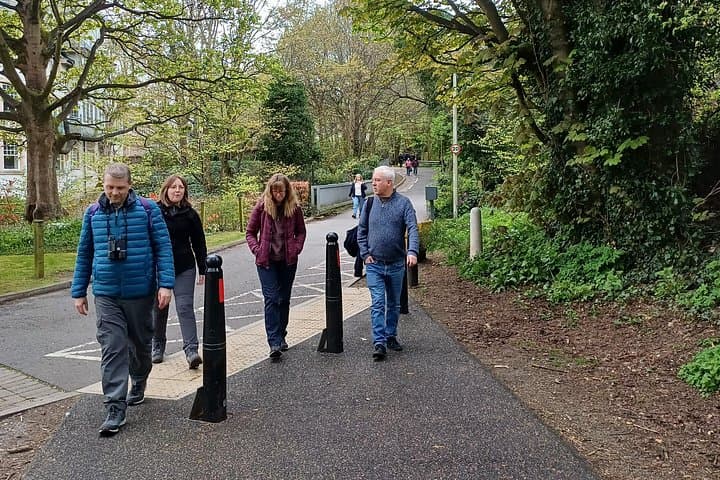
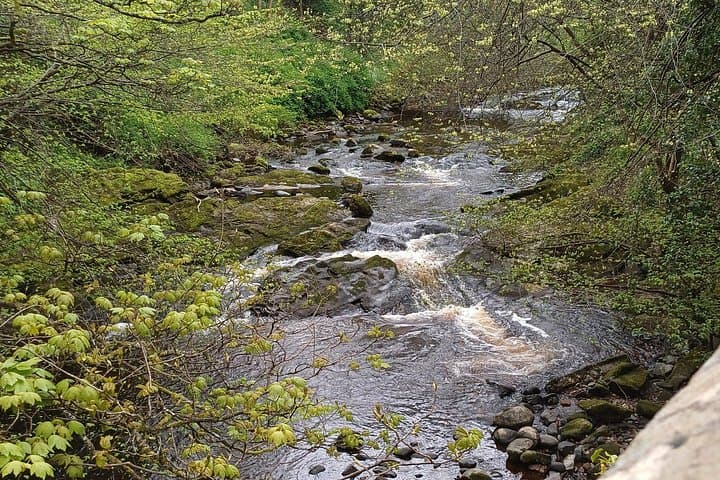
You step away from Edinburgh’s bustle and into the Water of Leith’s narrow green corridor, where the river insists you slow down and look. Stone mills lean toward rippling water; trees press overhead and kingfishers flash like punctuation. The guide sets the pace — conversational, observant — and the city’s noise recedes to a distant hum.
Verified experiences and guided adventures in the surrounding area.
Operated by A Walk on the Wild Side · Edinburgh, Scotland
You step away from Edinburgh’s bustle and into the Water of Leith’s narrow green corridor, where the river insists you slow down and look. Stone mills lean toward rippling water; trees press overhead and kingfishers flash like punctuation. The guide sets the pace — conversational, observant — and the city’s noise recedes to a distant hum.
This corridor carried Edinburgh’s industry for centuries. The Water of Leith powered mills and tanneries that fed the capital’s growth; villages like Dean, Juniper Green and Colinton grew around that work. Geologically, the stream has carved a shallow valley through Old Red Sandstone and glacial deposits, creating rocky riffles where dippers hunt and deeper pools where otters may slip away unseen.
Along the route you’ll pass Victorian bridges, a community-run Visitor Centre and murals that map social and industrial change. Local culture still orbits the river: small inns and cafés in the villages welcome walkers at the day’s end, and bus links return you to the city.
Practical guidance: expect 3–5 hours of mostly level towpath walking on compacted gravel and paved stretches with short stair sections. Dress for changeable Scottish weather — a light waterproof and good walking shoes matter more than heavy boots. Bring binoculars and a small field guide if you want to identify kingfisher, dipper, grey heron and sometimes otter.
Timing matters: morning and late afternoon heighten wildlife activity. Respect private property and keep to designated paths; the river is lively and will test careless footing.
easy.
3–5 hours.
Suitable for most fitness levels; requires walking on mostly flat towpath with short stair sections.
The guided walk begins in the West End/Dean Village area and finishes in one of the riverside villages—Colinton, Juniper Green or Balerno—depending on the itinerary.
No wildlife sightings are guaranteed, but mornings and late afternoons increase the chance to see kingfishers, dippers, herons and occasionally otters.
Yes; the towpath is generally flat and manageable, though there are short stair sections and some uneven ground—strollers may be difficult on steps.
Bottled water and a small whisky tasting (optional) are included; bus fares back to the city are covered in the tour information or easily reached by local buses.
The Water of Leith powered milling and tanning industries that helped Edinburgh expand in the 18th–19th centuries; many villages started as mill hamlets along its banks.
The Water of Leith Conservation Trust maintains paths and habitat; visitors should stay on trails, take litter home and avoid disturbing nesting or feeding wildlife.
A Walk on the Wild Side operates guided outdoor trips and adventures with an emphasis on safety, stewardship, and memorable experiences.

You step away from Edinburgh’s bustle and into the Water of Leith’s narrow green corridor, where the river insists you slow down and look. Stone mills lean toward rippling water; trees press overhead and kingfishers flash like punctuation. The guide sets the pace — conversational, observant — and the city’s noise recedes to a distant hum.
You step away from Edinburgh’s bustle and into the Water of Leith’s narrow green corridor, where the river insists you slow down and look. Stone mills lean toward rippling water; trees press overhead and kingfishers flash like punctuation. The guide sets the pace — conversational, observant — and the city’s noise recedes to a distant hum.
This corridor carried Edinburgh’s industry for centuries. The Water of Leith powered mills and tanneries that fed the capital’s growth; villages like Dean, Juniper Green and Colinton grew around that work. Geologically, the stream has carved a shallow valley through Old Red Sandstone and glacial deposits, creating rocky riffles where dippers hunt and deeper pools where otters may slip away unseen.
Along the route you’ll pass Victorian bridges, a community-run Visitor Centre and murals that map social and industrial change. Local culture still orbits the river: small inns and cafés in the villages welcome walkers at the day’s end, and bus links return you to the city.
Practical guidance: expect 3–5 hours of mostly level towpath walking on compacted gravel and paved stretches with short stair sections. Dress for changeable Scottish weather — a light waterproof and good walking shoes matter more than heavy boots. Bring binoculars and a small field guide if you want to identify kingfisher, dipper, grey heron and sometimes otter.
Timing matters: morning and late afternoon heighten wildlife activity. Respect private property and keep to designated paths; the river is lively and will test careless footing.