THE ADVENTURE COLLECTIVE® · Independent discovery and booking for outdoor travel

Experience the Sama ritual in a stone hall near Göreme: 50 minutes of prayer, chant, ney and spinning that links Rumi’s teachings to Cappadocia’s cave-carved past. Practical tips on timing, dress and accessibility to plan your visit.
Experience the Sama ritual in a stone hall near Göreme: 50 minutes of prayer, chant, ney and spinning that links Rumi’s teachings to Cappadocia’s cave-carved past. Practical tips on timing, dress and accessibility to plan your visit.
A low lantern light, the scrape of a wooden floor and the slow inhale of a ney set the rhythm. In a carved stone hall just outside Göreme, the first dancer lifts a hand and the room bends with him — the crowd quiets, the drum counts, and the ritual begins.
Verified experiences and guided adventures in the surrounding area.
Operated by CAPPADOCIABALLOON TRIPS · Göreme, Nevşehir
A low lantern light, the scrape of a wooden floor and the slow inhale of a ney set the rhythm. In a carved stone hall just outside Göreme, the first dancer lifts a hand and the room bends with him — the crowd quiets, the drum counts, and the ritual begins.
The ceremony on view is the Sama, the contemplative whirling of followers of Mevlâna Celaleddin-i Rumi. Cappadocia’s soft volcanic tuff allowed centuries of cave rooms and caravanserais where Sufi orders gathered; the region’s geology and trade routes helped make Anatolia a crossroads for spiritual traditions.
Expect about 50–60 minutes of prayers, chants, ney and kanun music, and the circular dance that represents a spiritual ascent. Shows are typically scheduled in the afternoon and may include a small serving of local sherbet. Performances are meant to be observed respectfully — the movement is devotional, not a staged spectacle.
Practical guide: arrive 10–15 minutes early for seating and any transfer pick-up; dress modestly (shoulders covered, no flashy attire), and check rules on photography — some venues restrict flash or images during the ritual. The site is generally accessible and suitable for most fitness levels since the experience is seated. If cold, bring a light layer — stone halls hold coolness. Combine the visit with a walk through nearby fairy chimneys or an evening in Göreme to round out the cultural context.
This ceremony is cultural heritage presented in a tourist setting: treat it as both a performance and a living tradition.
easy.
50–60 minutes.
No special fitness required; activity is seated and accessible to most travelers
The Sama performance runs about 50–60 minutes, including prayers, instrumental music and the whirling dance.
Rules vary by venue; flash and close-up photos are commonly restricted — ask staff on arrival to avoid disrupting the ritual.
Many venues in the area are wheelchair accessible and transfers can be arranged; confirm accessibility when booking.
Modest, comfortable clothing is recommended—covering shoulders and avoiding loud outfits shows respect for the religious nature of the ceremony.
The Sama is rooted in the practices of Mevlâna Rumi’s followers; Cappadocia’s cave architecture provided private spaces where Sufi orders preserved and passed on ceremonies over centuries.
Many performance spaces are in historic carved stone; visitors are asked to avoid touching frescoes or delicate surfaces, and to follow venue guidance to protect these fragile sites.
CAPPADOCIABALLOON TRIPS operates guided outdoor trips and adventures with an emphasis on safety, stewardship, and memorable experiences.
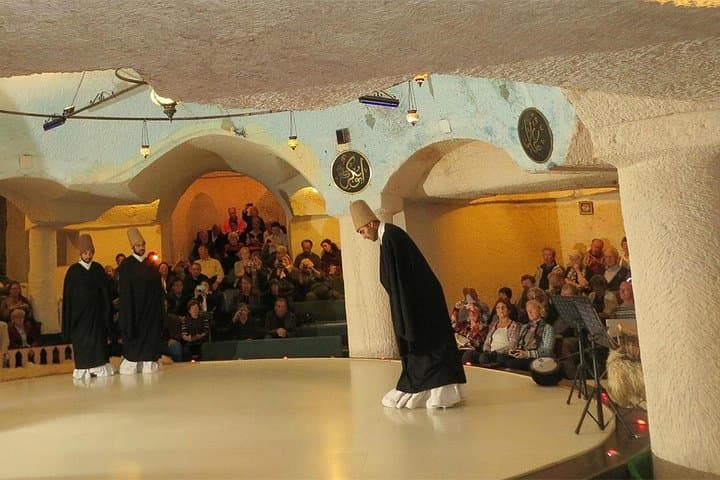
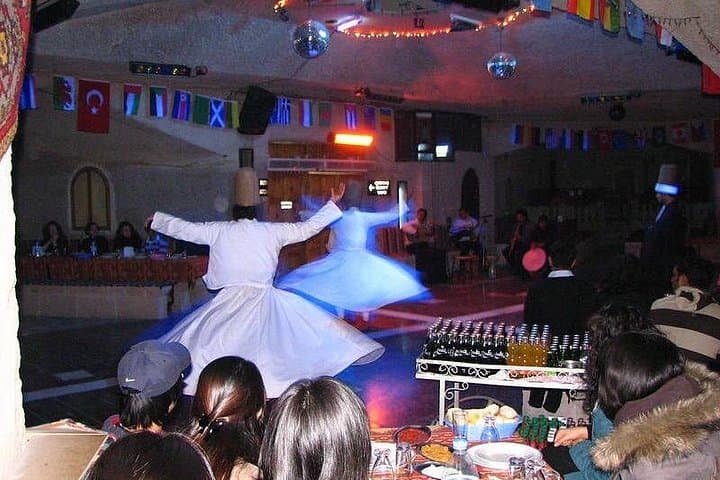
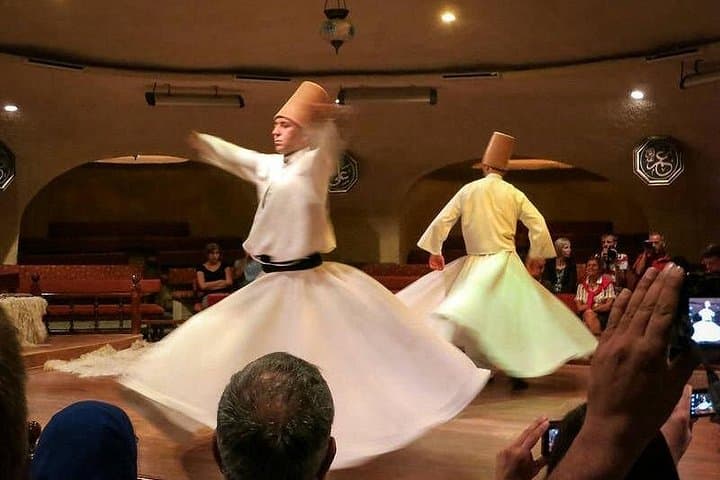
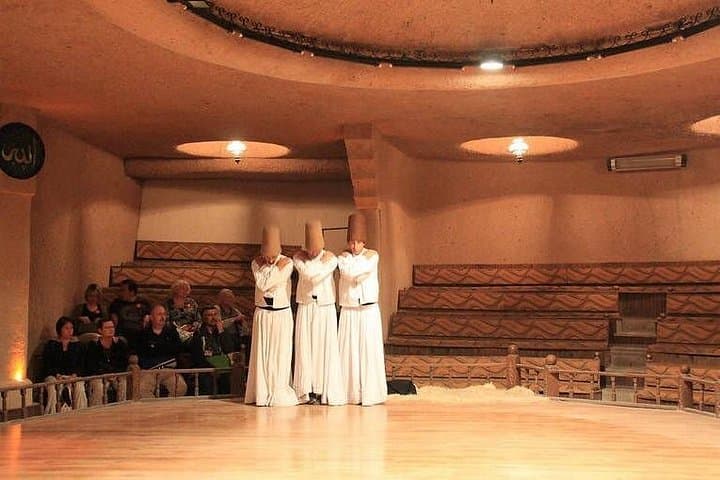
A low lantern light, the scrape of a wooden floor and the slow inhale of a ney set the rhythm. In a carved stone hall just outside Göreme, the first dancer lifts a hand and the room bends with him — the crowd quiets, the drum counts, and the ritual begins.
A low lantern light, the scrape of a wooden floor and the slow inhale of a ney set the rhythm. In a carved stone hall just outside Göreme, the first dancer lifts a hand and the room bends with him — the crowd quiets, the drum counts, and the ritual begins.
The ceremony on view is the Sama, the contemplative whirling of followers of Mevlâna Celaleddin-i Rumi. Cappadocia’s soft volcanic tuff allowed centuries of cave rooms and caravanserais where Sufi orders gathered; the region’s geology and trade routes helped make Anatolia a crossroads for spiritual traditions.
Expect about 50–60 minutes of prayers, chants, ney and kanun music, and the circular dance that represents a spiritual ascent. Shows are typically scheduled in the afternoon and may include a small serving of local sherbet. Performances are meant to be observed respectfully — the movement is devotional, not a staged spectacle.
Practical guide: arrive 10–15 minutes early for seating and any transfer pick-up; dress modestly (shoulders covered, no flashy attire), and check rules on photography — some venues restrict flash or images during the ritual. The site is generally accessible and suitable for most fitness levels since the experience is seated. If cold, bring a light layer — stone halls hold coolness. Combine the visit with a walk through nearby fairy chimneys or an evening in Göreme to round out the cultural context.
This ceremony is cultural heritage presented in a tourist setting: treat it as both a performance and a living tradition.