THE ADVENTURE COLLECTIVE® · Independent discovery and booking for outdoor travel

Head out from Watamu for a 4–5 hour whale-watching voyage where migrating humpbacks pass the Kenyan coast. This practical guide explains seasonality, what you’ll see and how to prepare for a responsible encounter.
Head out from Watamu for a 4–5 hour whale-watching voyage where migrating humpbacks pass the Kenyan coast. This practical guide explains seasonality, what you’ll see and how to prepare for a responsible encounter.
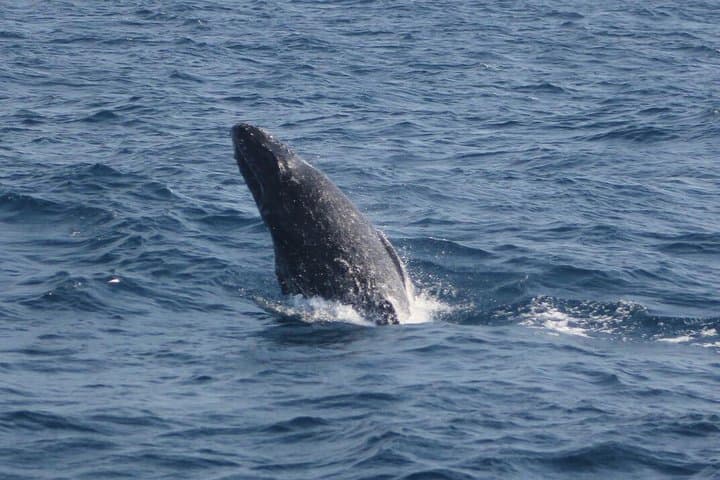
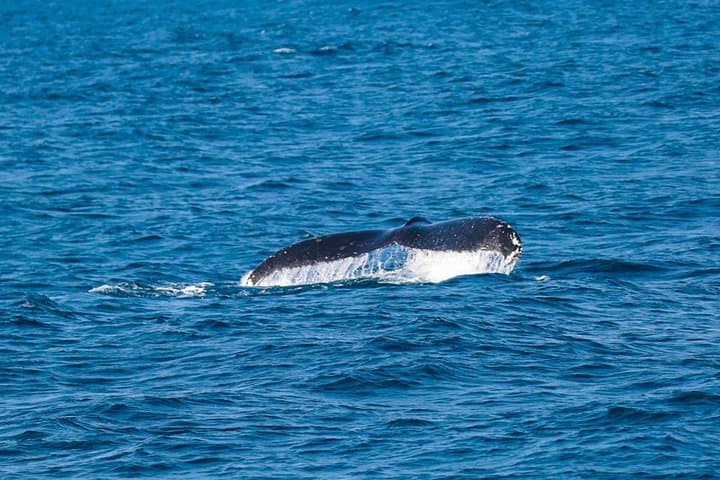
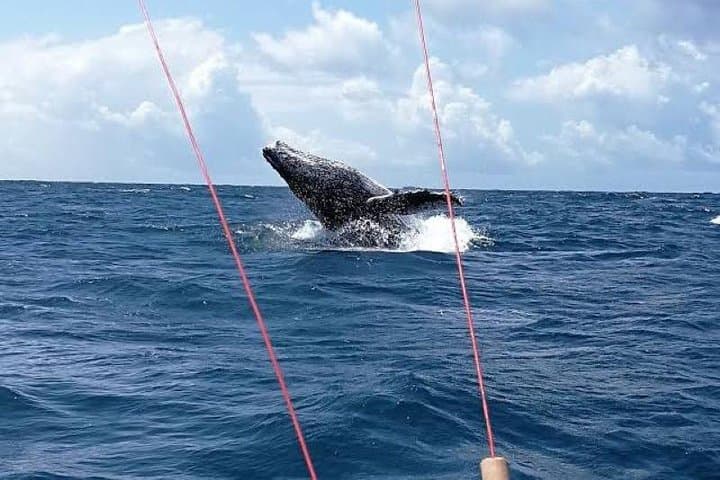
The boat slips off the reef with a soft wake and the open Indian Ocean stretches pale and promising. Salt and diesel mingle; gulls wheel and the guide scans the horizon. Expect the sudden lift of a tail or the slow arch of a back — humpbacks passing the Watamu Protected Area don’t perform on cue, but when they appear the sea rearranges itself around them.
Verified experiences and guided adventures in the surrounding area.
Operated by Destinazione kenya · Watamu, Kilifi County
The boat slips off the reef with a soft wake and the open Indian Ocean stretches pale and promising. Salt and diesel mingle; gulls wheel and the guide scans the horizon. Expect the sudden lift of a tail or the slow arch of a back — humpbacks passing the Watamu Protected Area don’t perform on cue, but when they appear the sea rearranges itself around them.
This stretch of Kenya’s coast has carried migrating rorquals for millennia. The Watamu area sits on a coral shelf formed from Pleistocene reef growth, and tidal creeks like Mida feed nutrients that support a food chain whales follow. Watamu town grew from Swahili and Arab trading roots; today local communities combine fishing, tourism and conservation in a way that shapes how boat operators work with marine life.
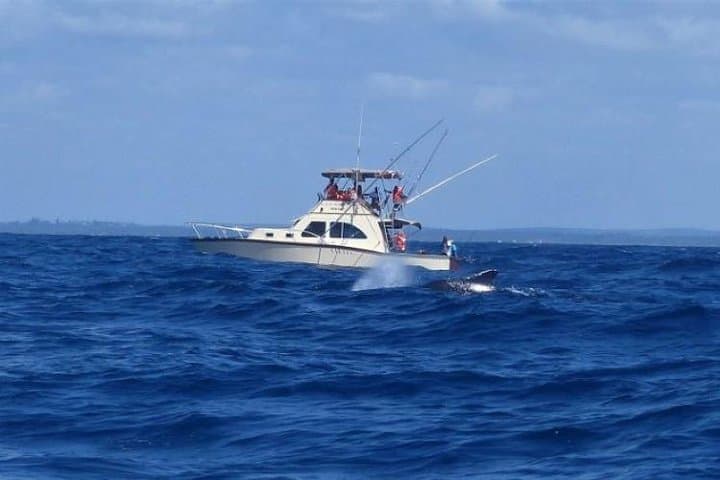
On a typical 4–5 hour trip you’ll travel beyond the reef edge in a small motorboat, scanning for blows, breaches and long pectoral fins. Guides follow responsible-distance guidelines and the Marine Protected Area enforces seasonal protections; bring a camera with a zoom, binoculars and motion-sickness prevention.
Practical notes: tours usually include bottled water and snacks, and operators offer hotel pickup. Seas can be calm or choppy—timing the day for morning glass-off conditions increases sighting odds. Respect instructions from crew: speed and approach angles change when whales are nearby. With simple planning — sun protection, layered clothing and respect for the animals — a day here becomes a memorable close encounter with one of the ocean’s largest, most expressive travelers.
easy.
4–5 hours.
Suitable for most fitness levels; requires ability to board small boats and remain seated for several hours
The local humpback migration is most commonly observed between June and November, with peak sightings typically in the July–October window.
Yes; trips are rated easy, but consider mobility for boarding small boats and potential sea conditions—notify operators of special needs when booking.
Most tours include private transport pickup, bottled water, snacks, and an English-speaking guide; confirm specifics and pickup details when booking.
Take preventive medication an hour before departure, focus on the horizon, choose a central seat, and inform crew who can adjust the ride if needed.
The Watamu coast is part of the Swahili trading network that linked East Africa with Arabia and the Indian Ocean world; local culture blends Bantu, Arab and colonial influences.
Watamu Protected Area manages reef and marine life, and operators follow rules to minimize disturbance; support licensed guides and avoid single-use plastics to reduce impact.
Destinazione kenya operates guided outdoor trips and adventures with an emphasis on safety, stewardship, and memorable experiences.
The boat slips off the reef with a soft wake and the open Indian Ocean stretches pale and promising. Salt and diesel mingle; gulls wheel and the guide scans the horizon. Expect the sudden lift of a tail or the slow arch of a back — humpbacks passing the Watamu Protected Area don’t perform on cue, but when they appear the sea rearranges itself around them.
The boat slips off the reef with a soft wake and the open Indian Ocean stretches pale and promising. Salt and diesel mingle; gulls wheel and the guide scans the horizon. Expect the sudden lift of a tail or the slow arch of a back — humpbacks passing the Watamu Protected Area don’t perform on cue, but when they appear the sea rearranges itself around them.
This stretch of Kenya’s coast has carried migrating rorquals for millennia. The Watamu area sits on a coral shelf formed from Pleistocene reef growth, and tidal creeks like Mida feed nutrients that support a food chain whales follow. Watamu town grew from Swahili and Arab trading roots; today local communities combine fishing, tourism and conservation in a way that shapes how boat operators work with marine life.
On a typical 4–5 hour trip you’ll travel beyond the reef edge in a small motorboat, scanning for blows, breaches and long pectoral fins. Guides follow responsible-distance guidelines and the Marine Protected Area enforces seasonal protections; bring a camera with a zoom, binoculars and motion-sickness prevention.
Practical notes: tours usually include bottled water and snacks, and operators offer hotel pickup. Seas can be calm or choppy—timing the day for morning glass-off conditions increases sighting odds. Respect instructions from crew: speed and approach angles change when whales are nearby. With simple planning — sun protection, layered clothing and respect for the animals — a day here becomes a memorable close encounter with one of the ocean’s largest, most expressive travelers.