THE ADVENTURE COLLECTIVE® · Independent discovery and booking for outdoor travel

Head offshore from Shimoni to Kisite Mpunguti Marine Park for a day of dolphin spotting and reef snorkeling around Wasini Island. Expect morning dolphin activity, vibrant coral gardens, and a village lunch that connects the marine experience to local life.
Head offshore from Shimoni to Kisite Mpunguti Marine Park for a day of dolphin spotting and reef snorkeling around Wasini Island. Expect morning dolphin activity, vibrant coral gardens, and a village lunch that connects the marine experience to local life.
The morning light at Shimoni stills the harbor; fishermen push off in narrow wooden dhows, and the ocean ahead is a bright, constant promise. You step into a skiff and the boat carries you out through a scatter of coral bommies—dolphins dance at the bow, curious and purposeful. The guide eases up on the throttle, and the fleet of fins becomes a moving punctuation mark on the blue. When you slip into the water at Kisite Mpunguti Marine Park, the reef reaches up like a living city: corals form avenues, silver fish flash like commuters, and green turtles graze on the seagrass below.
Verified experiences and guided adventures in the surrounding area.
Operated by Fort Jesus Museum · Shimoni, Kwale County
The morning light at Shimoni stills the harbor; fishermen push off in narrow wooden dhows, and the ocean ahead is a bright, constant promise. You step into a skiff and the boat carries you out through a scatter of coral bommies—dolphins dance at the bow, curious and purposeful. The guide eases up on the throttle, and the fleet of fins becomes a moving punctuation mark on the blue. When you slip into the water at Kisite Mpunguti Marine Park, the reef reaches up like a living city: corals form avenues, silver fish flash like commuters, and green turtles graze on the seagrass below.
This stretch of Kenya’s south coast has long been shaped by the ocean’s commerce. Wasini Island and Shimoni were connected to Swahili trade routes for centuries; traders from Arabia and the Indian subcontinent left linguistic and culinary traces that still flavor the village. The geology is coral limestone—ancient reefs lithified into the islands and islands’ outcrops—so what you experience above water is mirrored below: layered formations, channels and lagoons that funnel nutrient-rich currents and make this a hotspot for marine life.
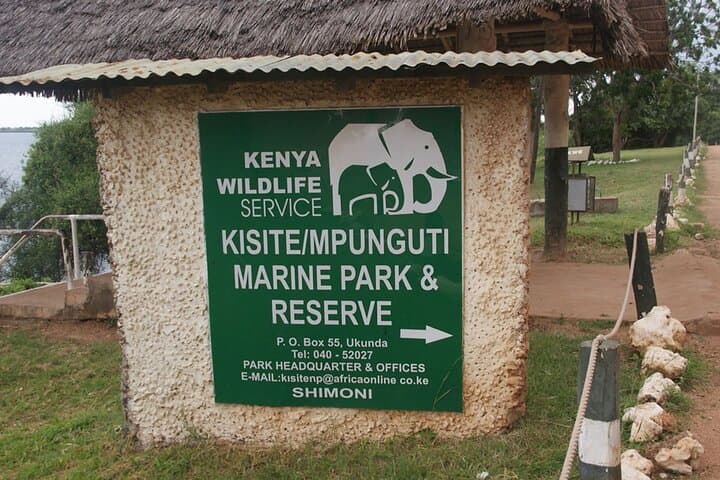
Local culture is quietly present. Wasini is a working island where dhow builders and fishermen still mend nets by hand. A village tour after snorkeling offers a glimpse into daily life and the community-run initiatives that support conservation and tourism income. Kenya Wildlife Service manages the park; rules are in place to protect coral and regulate boat traffic, though enforcement can vary—your guide’s behavior matters.
Practicalities are straightforward: the full-day outing starts early, with a roughly two-hour drive from Mombasa-area hotels to Shimoni followed by boat transfers. Expect a mix of calm lagoon snorkeling and more open-water swims; a waist-to-chest-deep entry and short surface swims to sites are typical. Snorkeling equipment is provided, and guides brief you on reef etiquette—no kicking the coral, keep mask straps secure, and avoid feeding wildlife. Seasickness can knock a trip sideways, so plan anti-nausea measures if you’re prone.
Timing matters for wildlife: mornings often yield better dolphin encounters and smoother seas, while water visibility peaks in the dry months. Bring reef-safe sunscreen, a shorty or rashguard for sun and wind, and a water shoe for landings. Respect the village: tip guides, buy local produce, and stay on marked paths. This is not just a boat ride—it’s a day where ocean behavior, human history, and fragile reef ecology intersect. When you return, wet and wind-salted, there’s a quiet satisfaction in having shared a corner of the Indian Ocean that still rewards curiosity and restraint.
easy.
8 hours.
Suitable for most fitness levels; comfortable swimming and basic snorkeling skills recommended for full enjoyment.
No—dolphins are wild animals and sightings are common but not guaranteed; mornings increase chances and guides know preferred transit routes.
Yes, snorkeling gear (mask, snorkel, fins) is included, though some travelers prefer to bring their own mask for fit and comfort.
Yes—sites include sheltered reef lagoons suitable for novice snorkelers; guides stay nearby and provide basic instruction.
The boat ride can be choppy; take anti-nausea medication beforehand if you’re prone, and sit near the center of the boat for a smoother ride.
Lunch and bottled water are included in the tour price, typically served on Wasini Island after snorkeling.
Drive time varies by hotel location but plan for roughly 2–3 hours to Shimoni from Mombasa or Diani Beach before the boat leg.
Wasini and Shimoni lie along historic Swahili trade routes; local communities still reflect centuries of coastal trade with Arabia and India.
The marine park is managed by Kenya Wildlife Service; limiting contact with coral, avoiding single-use plastics, and supporting community tourism projects helps protect the reef.
Fort Jesus Museum operates guided outdoor trips and adventures with an emphasis on safety, stewardship, and memorable experiences.



The morning light at Shimoni stills the harbor; fishermen push off in narrow wooden dhows, and the ocean ahead is a bright, constant promise. You step into a skiff and the boat carries you out through a scatter of coral bommies—dolphins dance at the bow, curious and purposeful. The guide eases up on the throttle, and the fleet of fins becomes a moving punctuation mark on the blue. When you slip into the water at Kisite Mpunguti Marine Park, the reef reaches up like a living city: corals form avenues, silver fish flash like commuters, and green turtles graze on the seagrass below.
The morning light at Shimoni stills the harbor; fishermen push off in narrow wooden dhows, and the ocean ahead is a bright, constant promise. You step into a skiff and the boat carries you out through a scatter of coral bommies—dolphins dance at the bow, curious and purposeful. The guide eases up on the throttle, and the fleet of fins becomes a moving punctuation mark on the blue. When you slip into the water at Kisite Mpunguti Marine Park, the reef reaches up like a living city: corals form avenues, silver fish flash like commuters, and green turtles graze on the seagrass below.
This stretch of Kenya’s south coast has long been shaped by the ocean’s commerce. Wasini Island and Shimoni were connected to Swahili trade routes for centuries; traders from Arabia and the Indian subcontinent left linguistic and culinary traces that still flavor the village. The geology is coral limestone—ancient reefs lithified into the islands and islands’ outcrops—so what you experience above water is mirrored below: layered formations, channels and lagoons that funnel nutrient-rich currents and make this a hotspot for marine life.
Local culture is quietly present. Wasini is a working island where dhow builders and fishermen still mend nets by hand. A village tour after snorkeling offers a glimpse into daily life and the community-run initiatives that support conservation and tourism income. Kenya Wildlife Service manages the park; rules are in place to protect coral and regulate boat traffic, though enforcement can vary—your guide’s behavior matters.
Practicalities are straightforward: the full-day outing starts early, with a roughly two-hour drive from Mombasa-area hotels to Shimoni followed by boat transfers. Expect a mix of calm lagoon snorkeling and more open-water swims; a waist-to-chest-deep entry and short surface swims to sites are typical. Snorkeling equipment is provided, and guides brief you on reef etiquette—no kicking the coral, keep mask straps secure, and avoid feeding wildlife. Seasickness can knock a trip sideways, so plan anti-nausea measures if you’re prone.
Timing matters for wildlife: mornings often yield better dolphin encounters and smoother seas, while water visibility peaks in the dry months. Bring reef-safe sunscreen, a shorty or rashguard for sun and wind, and a water shoe for landings. Respect the village: tip guides, buy local produce, and stay on marked paths. This is not just a boat ride—it’s a day where ocean behavior, human history, and fragile reef ecology intersect. When you return, wet and wind-salted, there’s a quiet satisfaction in having shared a corner of the Indian Ocean that still rewards curiosity and restraint.